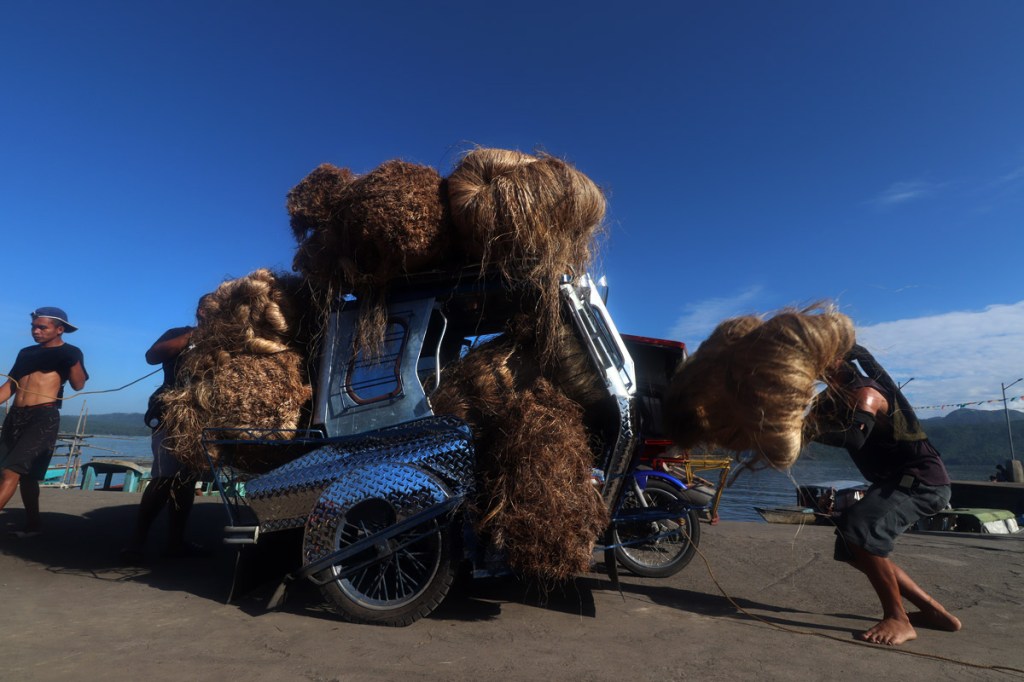
Alexander Siocson grew up as an abacalero in his hometown of Ibayugan, in Buhi, Camarines Sur. He says abaca farming, an occupation passed on through generations, is his only livelihood. Today, they will make their way from across Lake Buhi to the “comprada” in the town centro for an official business.
He says they have managed to outsmart tropical storm “Paeng” — a 260 kph typhoon which rammed the country in October of 2022 damaging at least 66.5 million of Camarines Sur’s high value crops. Just when the region has started bouncing back from successive calamities two years back. Bicol, the country’s biggest abaca-producing province is also frontliner to typhoons.

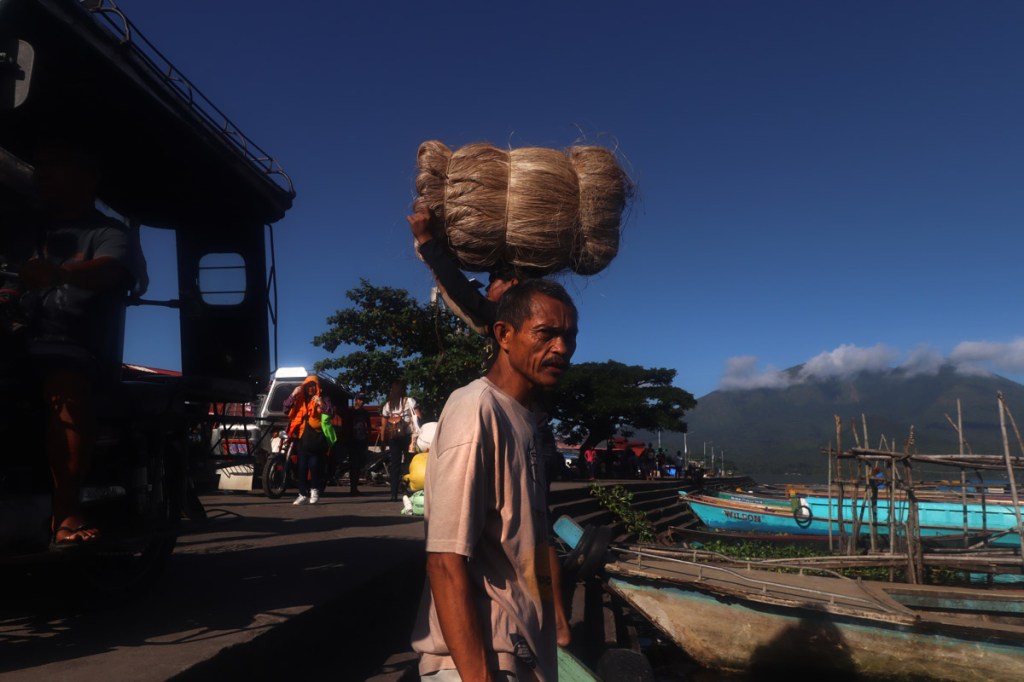
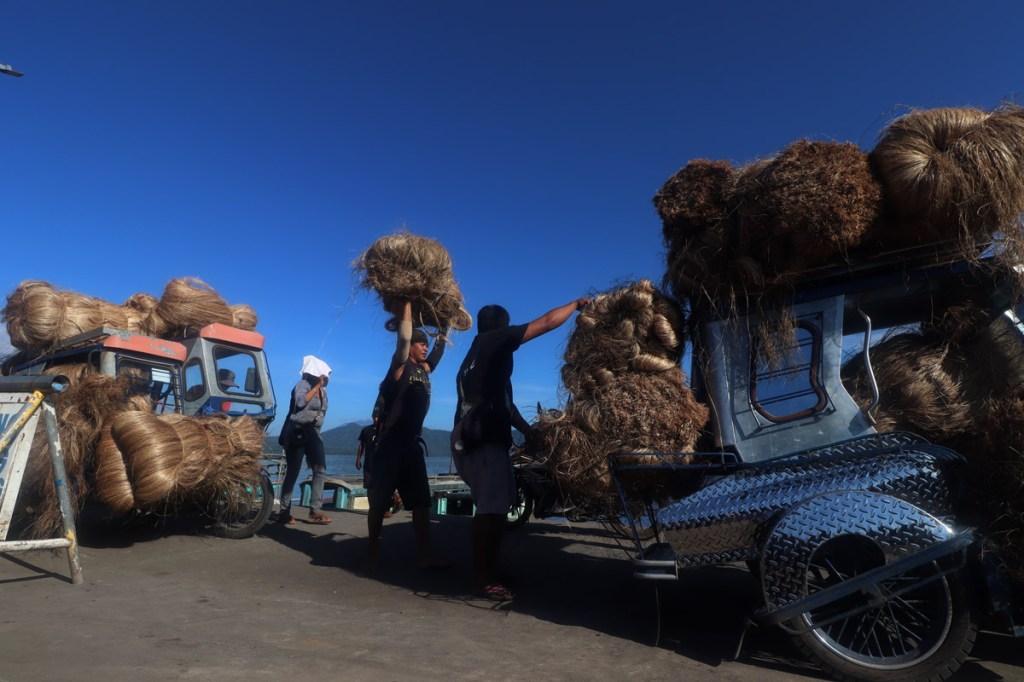
At the comprada, Siocson turns over the merchandise to abaca trader Johann Franco Cabais, where the first 75 kilos already earn him around 3,000 pesos.
The Philippines has been trading abaca even long before the Spaniards came. Today, the country remains the number one supplier worldwide, providing 87.5% of the world’s requirement for abaca fiber.

Known as the “strongest natural fiber in the world,” abaca has a broad range of use such as clothings, twines and ropes, handicrafts, specialty papers particularly currency notes.
Unfortunately, the Bangko Sentral ng Pilipinas (BSP) decided to move into using polymer in printing the country’s banknotes. Dumping the present bills of which 20% are abaca.
Since the BSP prints local currency utilizing 1,000 to 1,800 metric tons of abaca fiber, the shift is said to make a huge impact on the fiber industry.

On December 7, 2022 — in what the fiber sector says a very sad day for abaca and cotton farmers — President Ferdinand R. Marcos Jr. presented the new Philippine banknotes at the President’s Hall in Malacañan Palace:
“The issuance of the polymer banknote is smarter cleaner stronger. A response to the pressing health and public safety concern due to the pandemic and promotes environmental sustainability and celebrates our rich cultural and national heritage.”

Philippine Fiber Industry Development Authority (PHilFIDA) Executive Director Kennedy Costales thinks otherwise: “BSP promotes plastic by shifting to polymer banknotes versus the biodegradable abaca which is the strongest, the longest and the most porous natural fiber in the world. Not to mention its permeability and excellent tear and bursting.”
Costales points out there is no substitute for our precious abaca. But BSP wishes to replace it by promoting plastic on our banknotes to the world.
 Mata Press
Leave a comment