It is a reenactment of a community bonding together, away from disaster and towards hope.
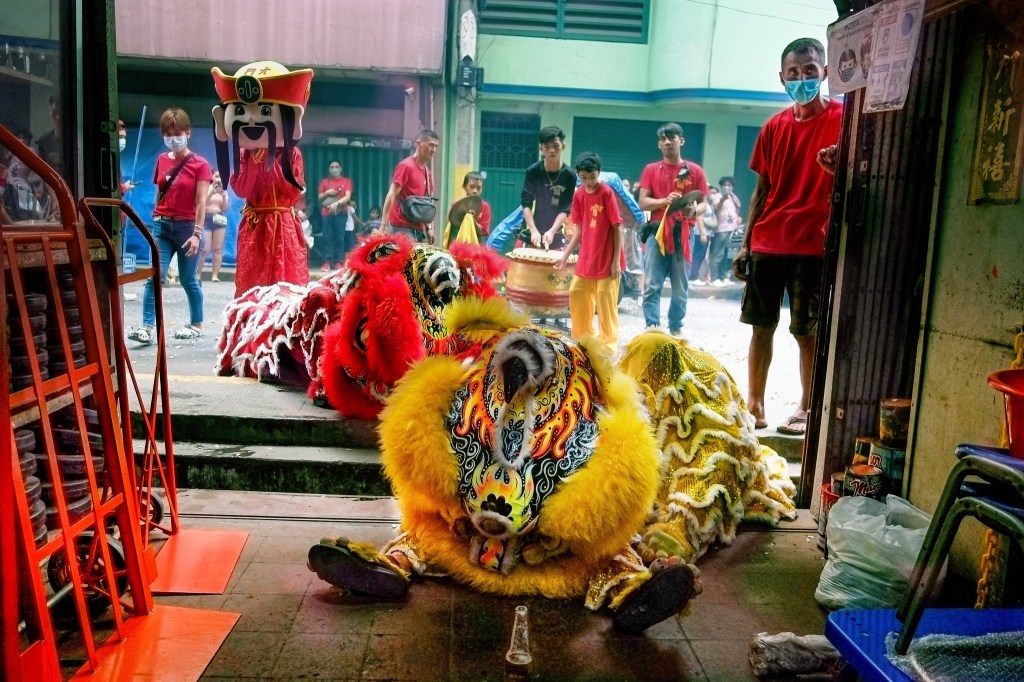
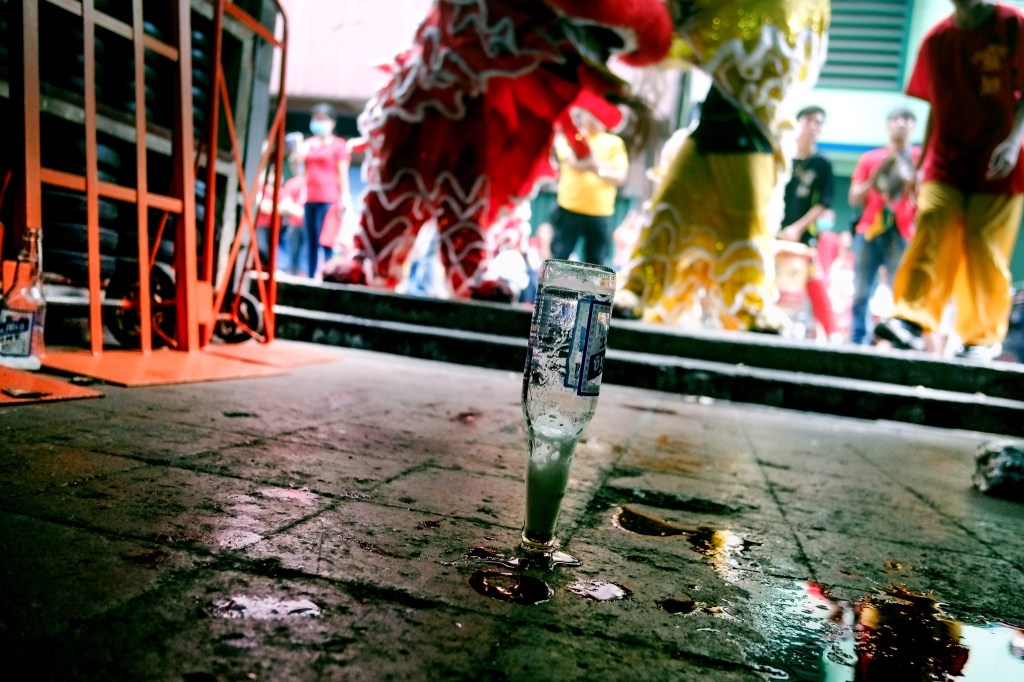
In a Lion Dance, at the signal of the drum beat and the end of the fireworks, the Lion leaps towards a bottle of beer, opens its mouth, drinks the beer, and turns the bottle upside down to show that he has completed one bottle of beer. With six more bottles to finish.
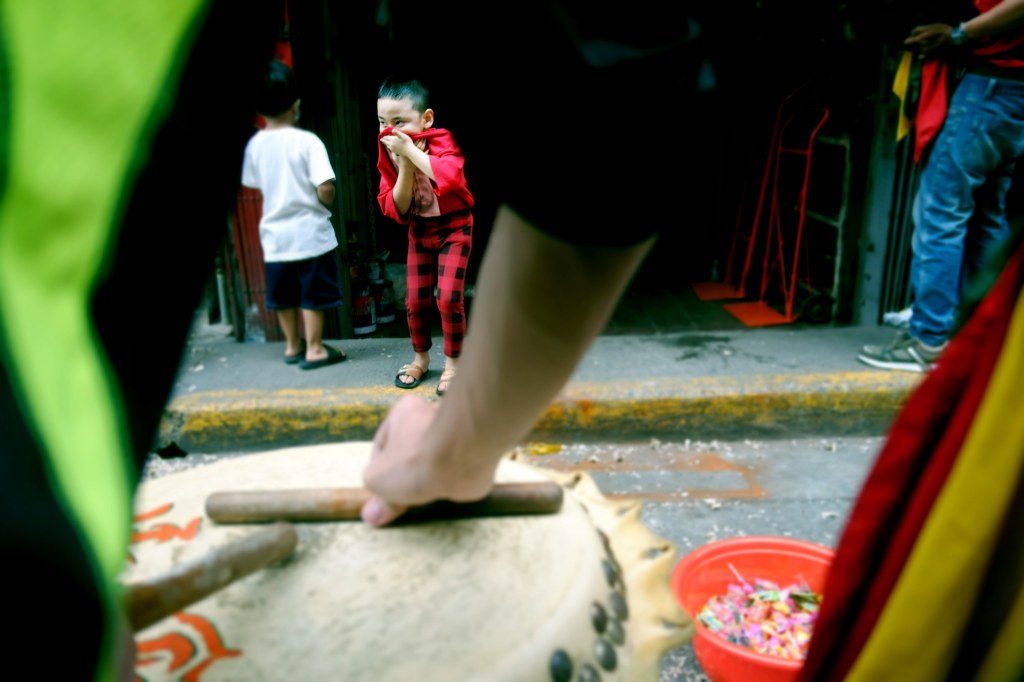
The hardware stores of Manila Chinatown are in a very festive mood, filled with Lion Dancers dancing from store to store as the Chinese New Year is celebrated on the 22nd of January 2023.
The Lion Dance is a traditional form of Chinese dance wherein a Lion — which symbolizes power, wisdom, and superiority — performs during Chinese New Year, Spring Festival or on special occasions, to usher in good luck and to drive away evil spirits.
The Singapore-based Strait Times, published in its 9 Feb 1984 issue, the beginnings of the Lion Dance. Legends have it that thousands of years ago, every year there is this monstrous creature described as “two-meters long, unusually large head, popping eyes, green face and a horn on its head” but makes a loud sound of “nian, nian, nian” every time it terrorizes villages, destroying their properties, and trampling their farm produce.
They called it Nian, for the sound it produced. One New Year’s eve the villagers decided that the rampage of Nian should stop. They took matters it their own hands and created a Lion’s mask big enough like Nian made from painted cloth and bamboo sticks, with a clothed and painted body large enough to fit in to hide two men. They also choreographed a series of movements that manipulates the head and body fashioned to imitate Nian.
With the movement comes the fireworks, pots, and pans to counter the loudness of the monster’s sound. Then they waited for Nian to come and ready to fight the monster. As soon as they heard the loud “nian, nian, nian”, the men of the village who were already in their Nian costumes rushed out and went into dancing and moving together with the banging of the pots and pans of the village. Along with the string and smoke of firecrackers, driving the monster away.
A joyous feast of food and wine came with the celebration from the success of the village in driving away the monstrous creature.
But as the legend goes, some say, Nian keeps on coming back. Despite the costume, dance, drums, and fireworks, the loud sound of “nian, nian, nian” keeps on coming back, bringing bad luck to those who challenge the creature.
So the villagers decided that they will have to invite Nian into their homes by hanging fruits at their door, giving the monstrous creature wine to drink, and hanging that bright red envelope called “hongbao.” Tall enough for the monstrous creature to reach.
With these, the creature began to dance and was happy enough to pour candies and gold from its belly. Never again in the spirit of evilness but of prosperity and goodness. In Chinese language “Nian” means Happy New Year.
In Binondo, Manila, Lion Dancers are usually invited to perform at homes and stores to welcome the New Year for good luck and prosperity.
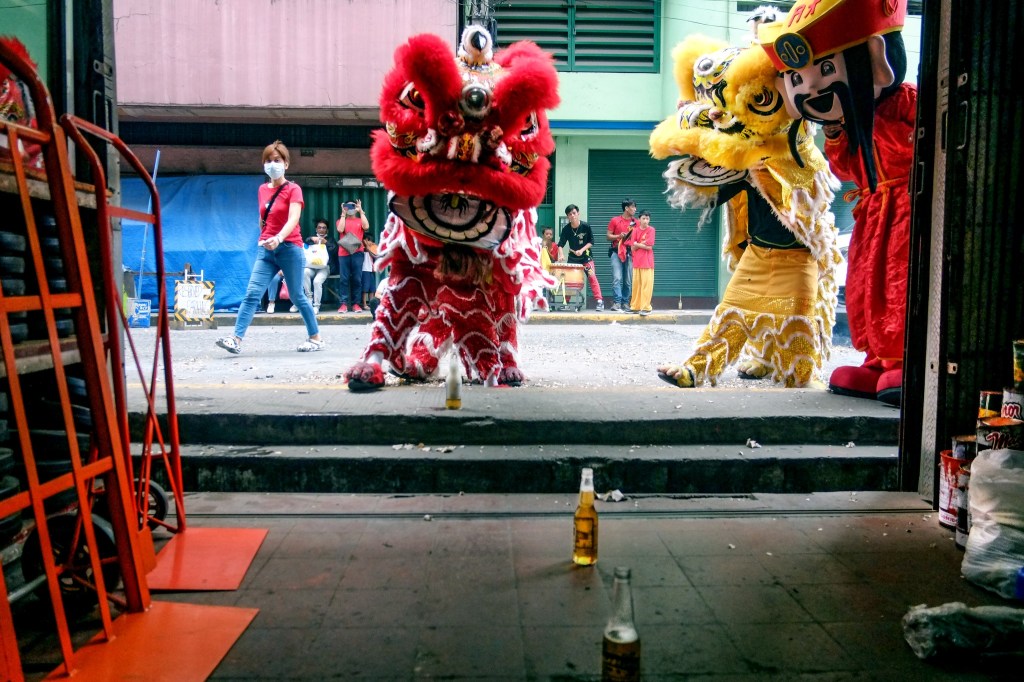
It begins with the unrolling of a firecracker belt, the thunderous beat of the drum and snares, and the three main colorful characters that show up the front of their stores: The god of Fortune, a Golden Lion, and a Red Lion.

From outside the store towards the area where money is kept, at least seven bottles of cold beer is lined up. The firecracker is soon lit up, and a thick smoke produced by the firecracker envelops the whole scene, with almost nothing visible except for silhouettes of the characters dancing.
As the smoke clears, a Lion immediately leaps to the bottle of beer, opens its mouth, and gobbles it. It is even at half bottle when another Lion jumps at another beer, open its mouth, and sat to drink. This goes on until both lions have gobbled up and drank to the last drop.
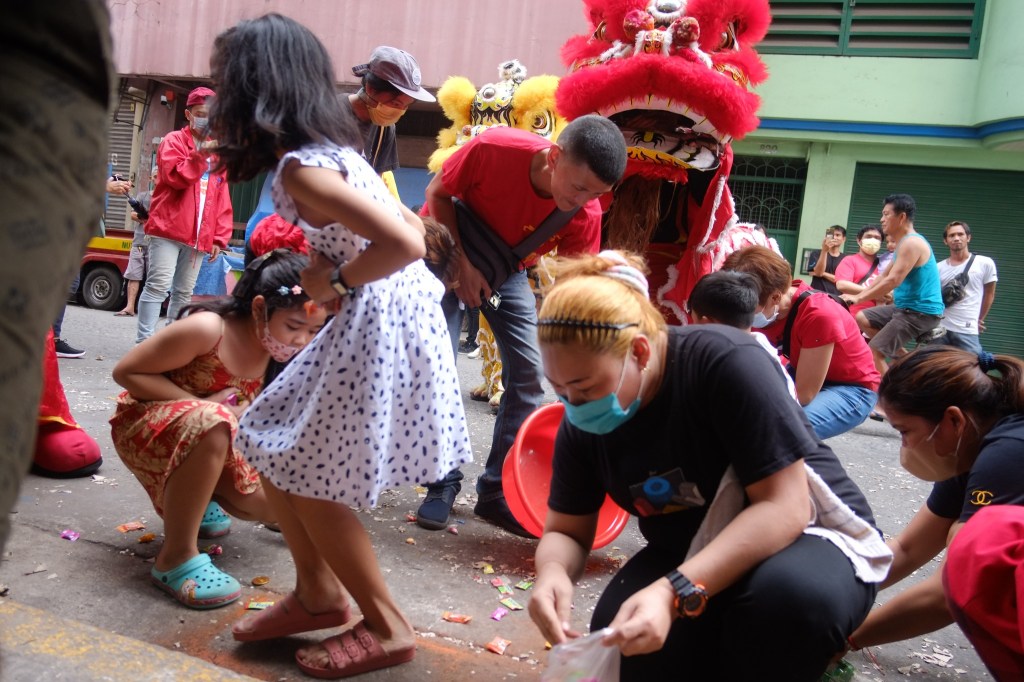
Another round of dancing inside and outside the store comes after. This time the lion would popped from its belly a bagful of candies and chocolate coins, showering everyone.
People picked them up to their heart’s content in the belief of good fortune!
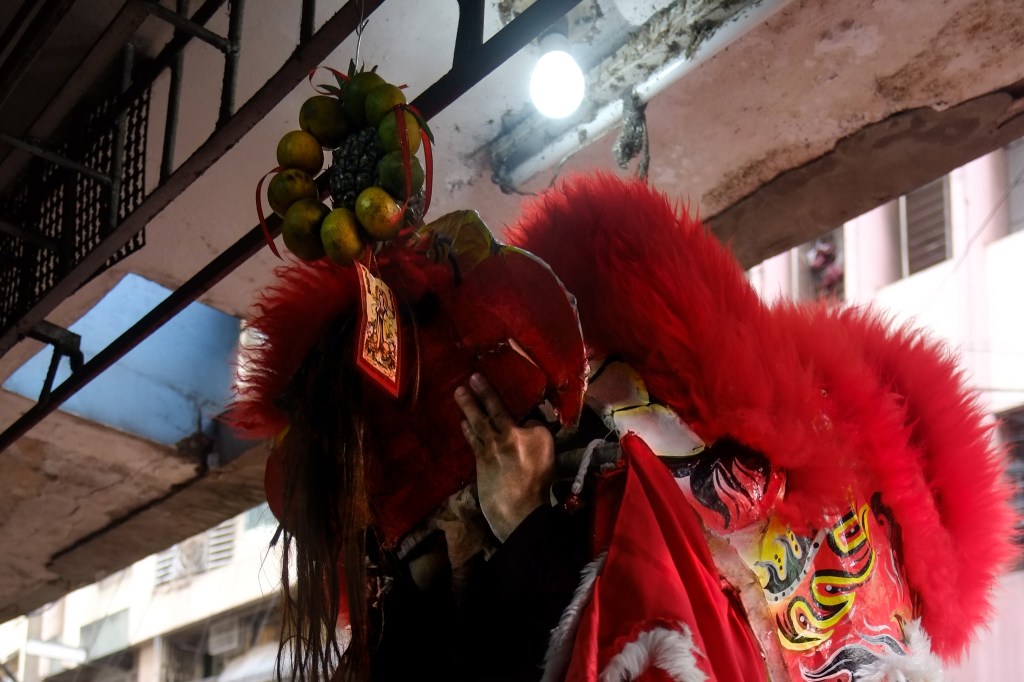
With the changing of the beat, the two Lions would then aim for the “angpao” (or red envelop) hanging at the store’s portal. It would take two men standing to be able to reach it. But with proper head maneuvers in coordination with the body, the Lion’s head would bit the angpao or hongbao, ending the performance.
By Joel Mataro
 Mata: Asia Press Photo
Leave a comment