

It was reported first in Batangas, that there has been visuals of a bad air event. The air was hazy which prompted authorities to issue warnings and suspend classes in the province on September 21.
The Philippine Institute of Volcanology also issued a bulletin stating “Since 12:30 PM today, volcanic smog or vog has been observed over Taal Lake by the Taal Volcano Network and has lingered over the region until present. Continuous upwelling persists at the Taal Main Crater Lake, generating steam plumes that rises up to 2,400 meters before drifting to the west-southwest.”
To reiterate, plumes “drifting west south-west” means further down south towards Balayan Bay and not “northeast” or towards the National Capital Region.
As the evening edges by, people started posting on social media about “how the smoke of Taal had reached their place.” It was interesting. It was viral and became the talk of those in the city and beyond.
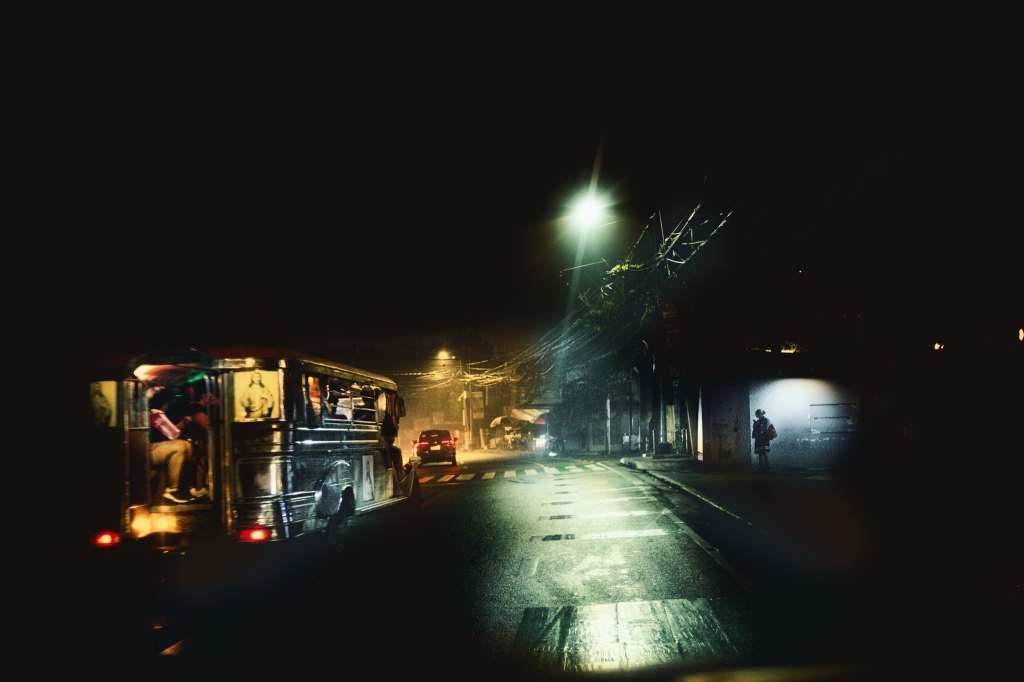
In the morning of September 22, a thick smog hovered over the city and people were quick to point to Taal Volcano. Hold on, says the Philvolcs and DENR. They clarified that the smog in Metro Manila was not caused by Taal Volcano, but due to fumes released by the monster Metro Manila traffic.
Air quality index data, or AIQ, would prove this as true. Results from cross-checking Environmental Management Bureau-NCR data indicate that the AIQ in Batangas is the Unhealthy 156, as compared to the NCR’s Very UNhealthy 223.
In short, people should not go out without an N95 face mask. So what caused the thick Metro Manila smog?
A look at Accuweather/Philippine wind maps reveals that there is not much wind movement in Regions 3 and 4 including Metro Manila.
According to environment intelligence platform provider airly.org: With less wind to disperse pollutants, they tend to accumulate and settle near the surface.
Further, it says that the air quality gets worse at night when pollutants tend to accumulate near the surface as a result of temperature inversions and reduced wind speeds. / (Joel Mataro)
 Mata: Asia Press Photo
Leave a comment