Dunong ng Lupa: Wielding newfound knowledge to assert Indigenous rights
Mata Asia Press Photo
In a time of modern technology and rapid urbanization, Tarlac’s Aeta communities are forced to balance preservation of tradition against survival amidst efforts to drive them away from their land and uproot them from their culture.
Sitio Gayaman in Capas, Tarlac has housed Aeta communities from Mt. Pinatubo since its eruption in 1991. Though already miles away from their native land, they still face the threat of displacement, with the expanding New Clark City located only a mountain away.
In the past, they were provided housing in a settlement farther from the mountain, but corporations handling nearby development projects claimed parts of their land by having them sign agreements without free and informed consent. According to Nelson De Guzman, one of the Aeta village’s elders, some members of the community chose to sell their land for almost half the price as it was still a better option than losing it for nothing.
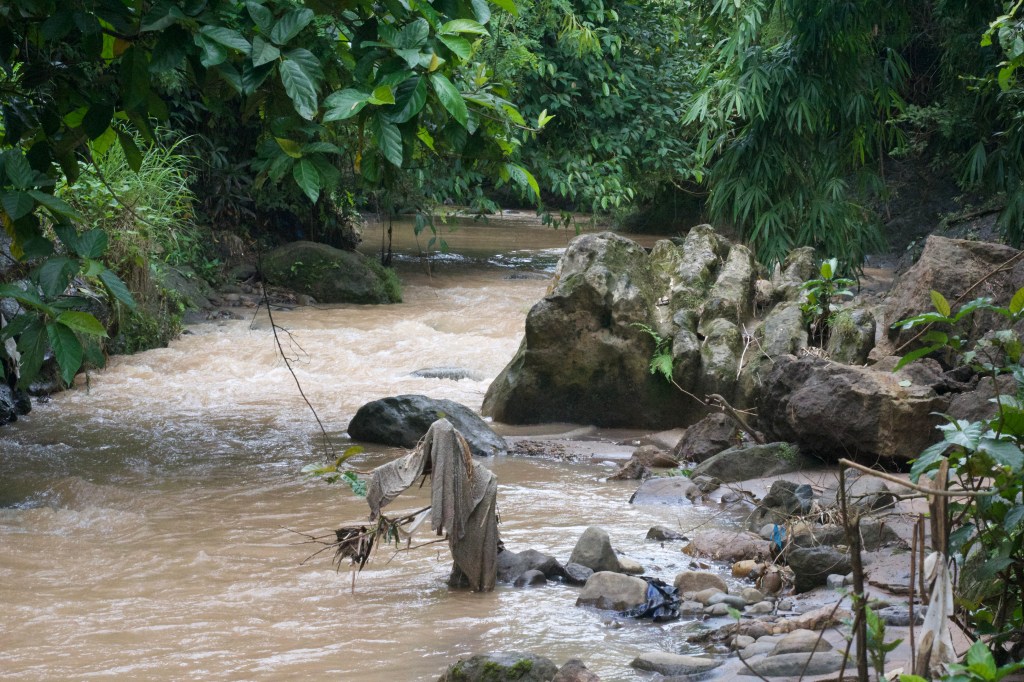
The Aeta community had not always needed external income. Back when they were still in their ancestral domain, all of their basic needs—from the food they eat and the water they drink to the materials they use to build their shelter—were provided by nature. In this new and relatively smaller environment, the land alone is no longer enough to support their lives. As a result, most villagers have to seek employment outside the community to provide for their needs. Pollution of their environment has also driven them to rely on paid resources, including metered water connections due to the nearby landfill’s runoff seeping into the river.
Today, the Aeta community understands the need for literacy and critical thinking in order to defend themselves from exploitation as the state has been unable to do so. With the current threats to their natural environment, which had been their primary source of knowledge for the longest time, they wield education as an instrument to assert their rights as indigenous people.
(A photo essay by Bernard Balanag, Jeremy Ballesteros, Joshua Espanol, Jaemie Talingdan)
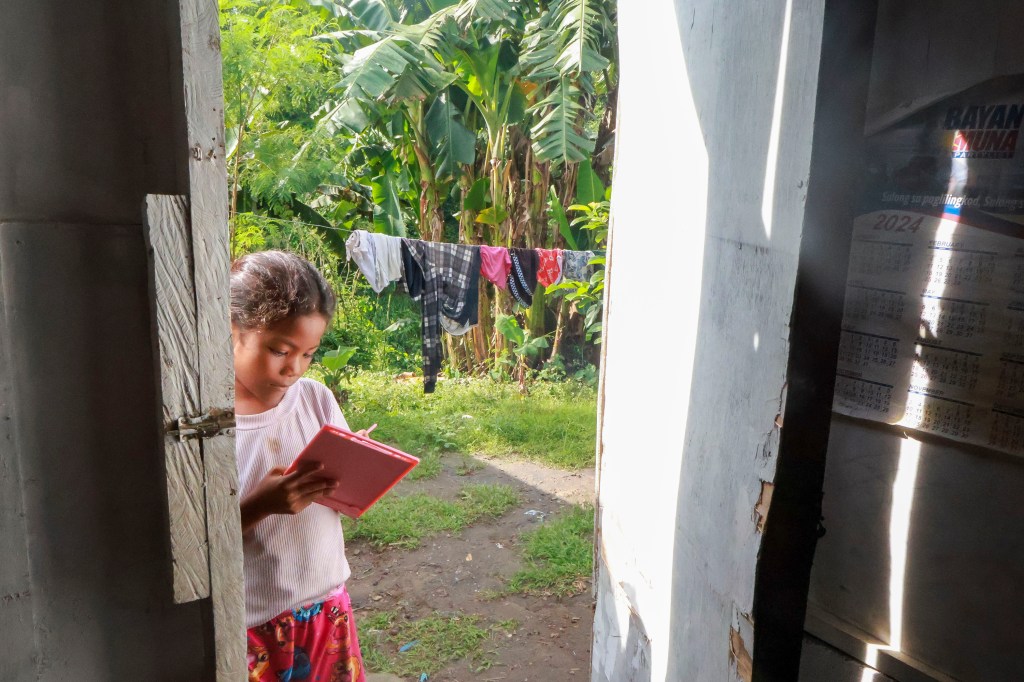
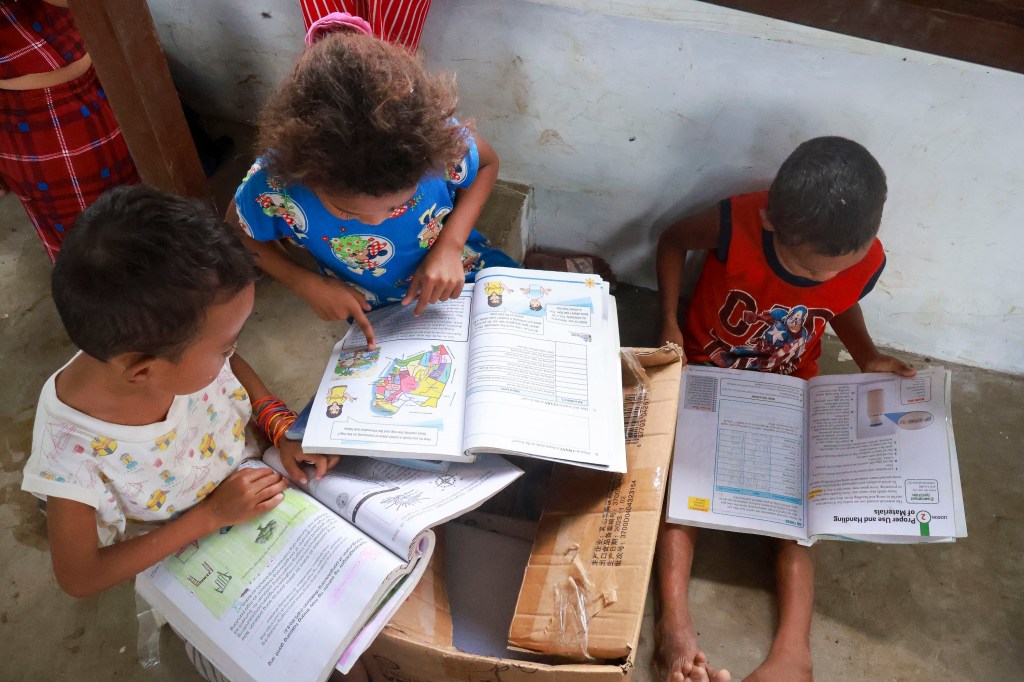
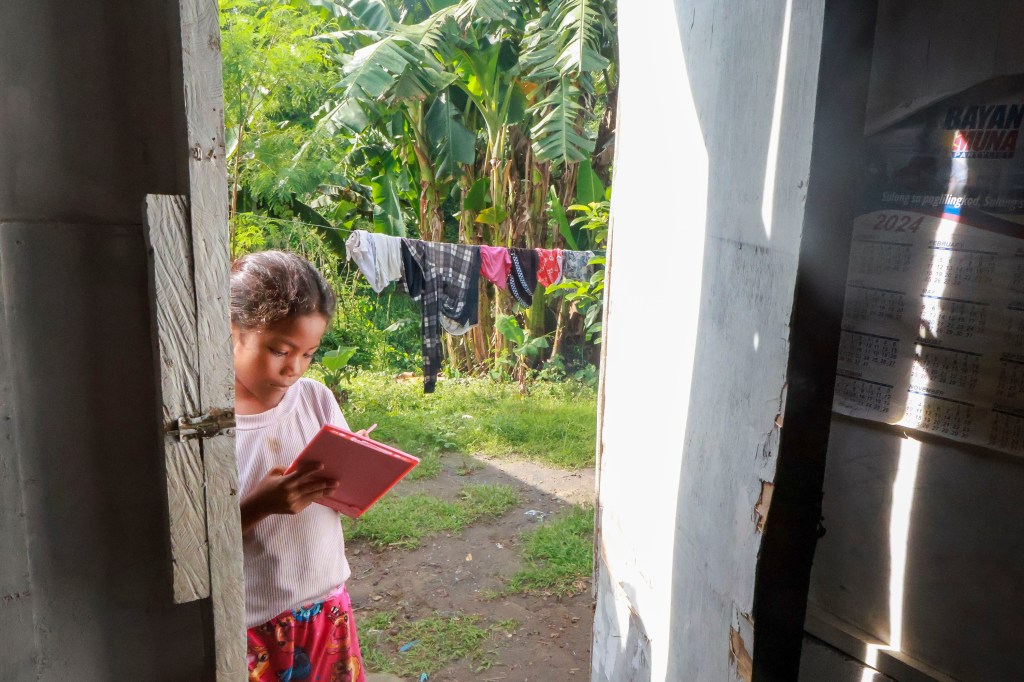
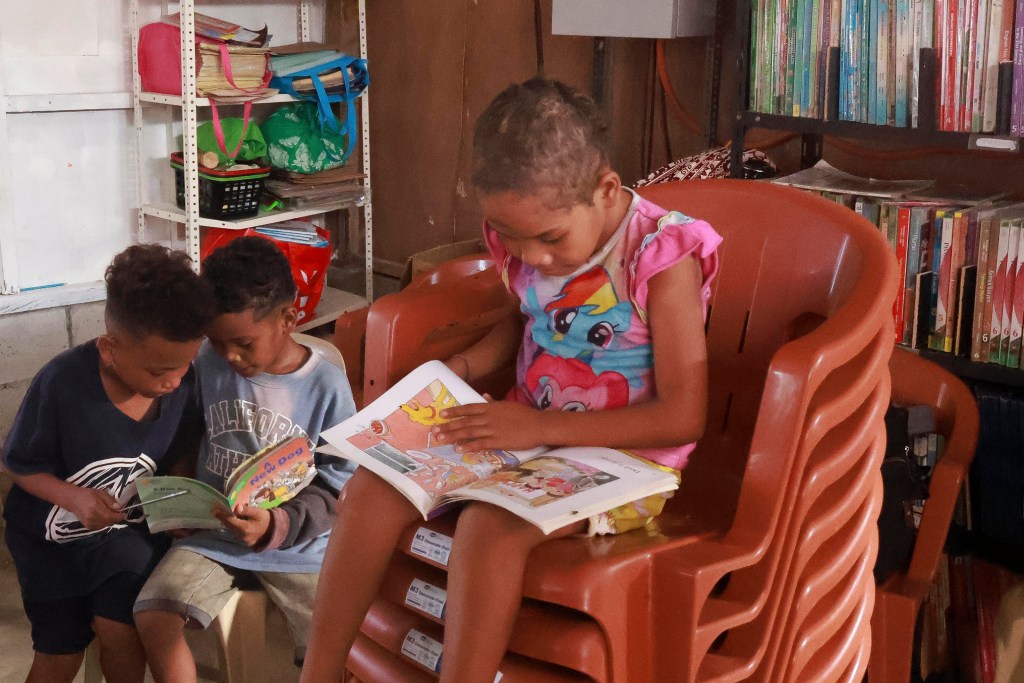
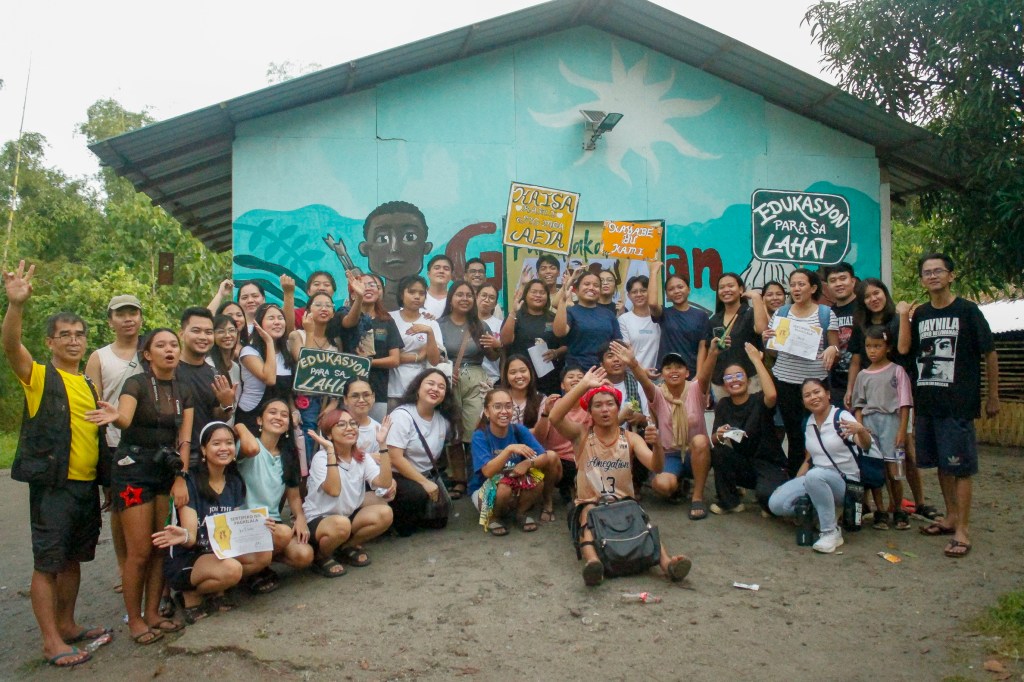
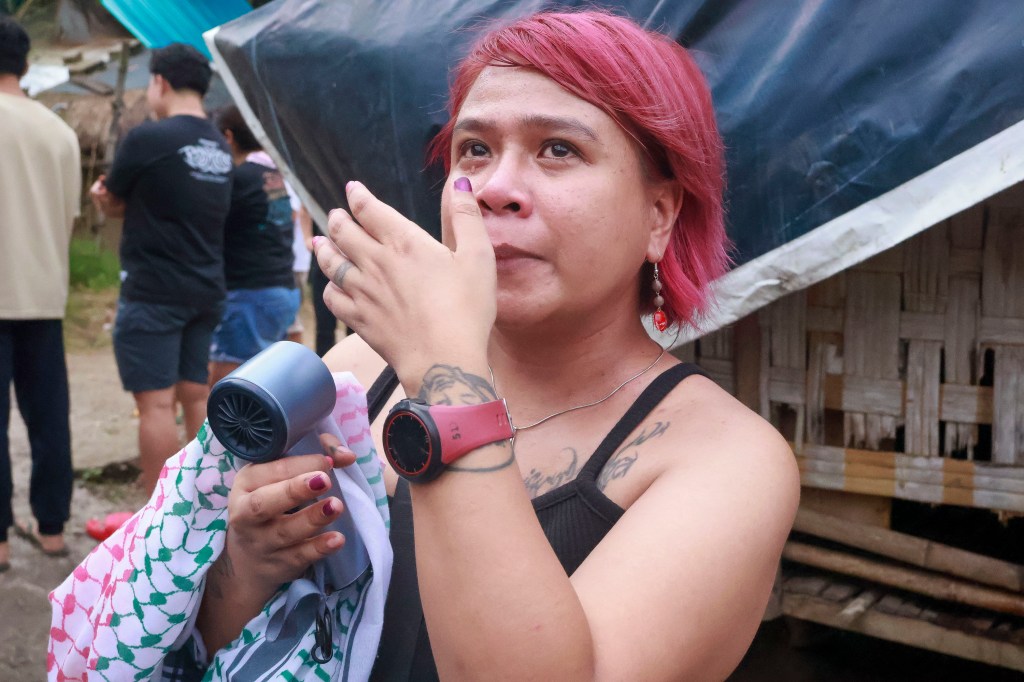
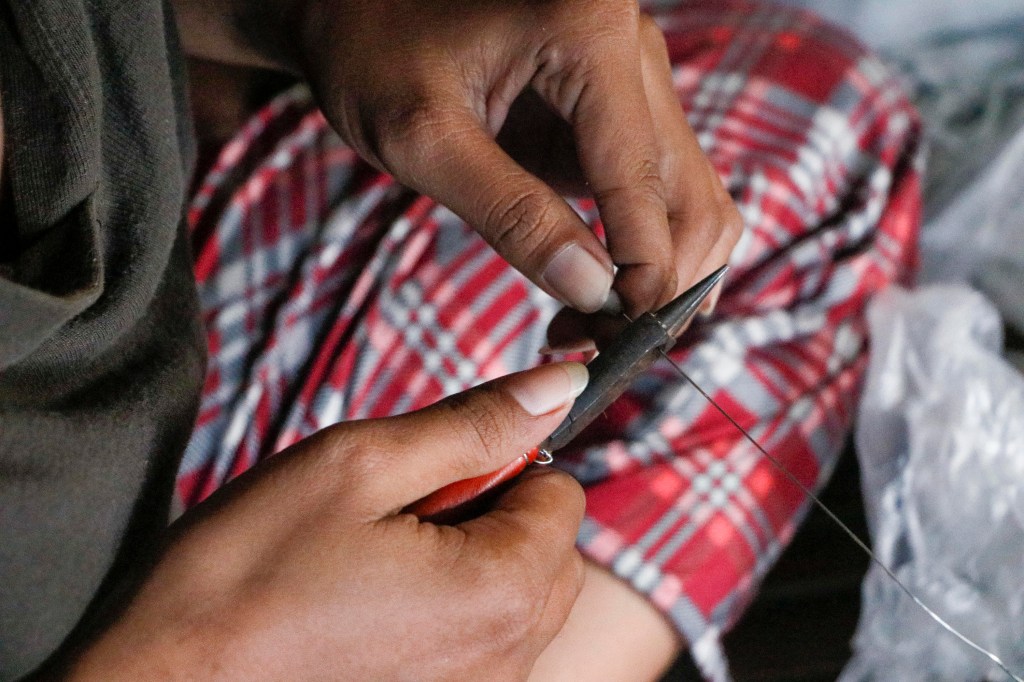
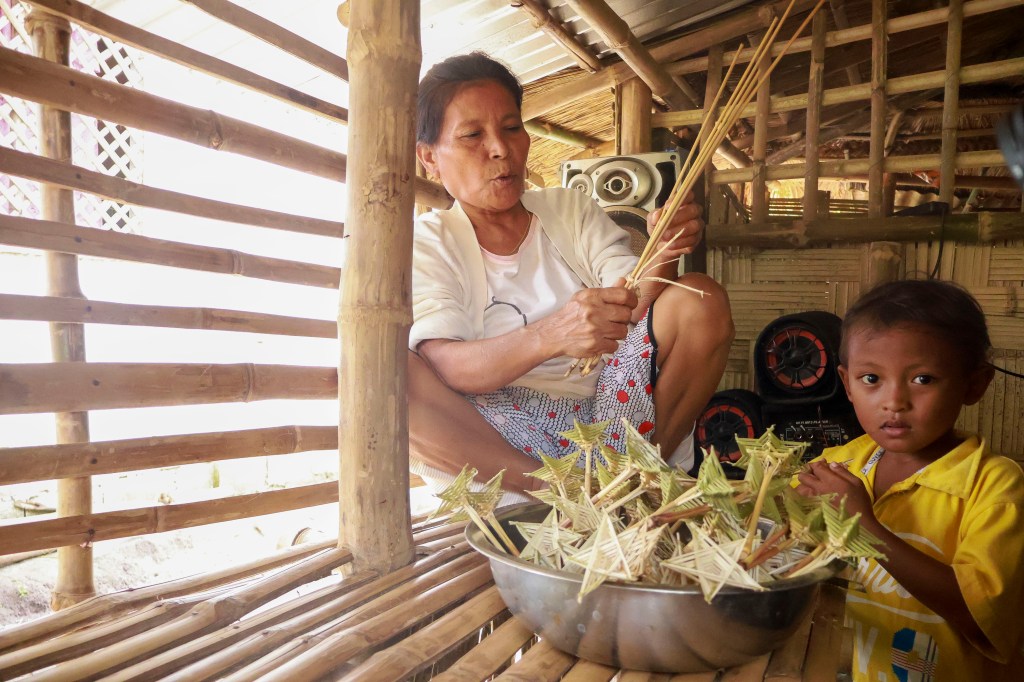
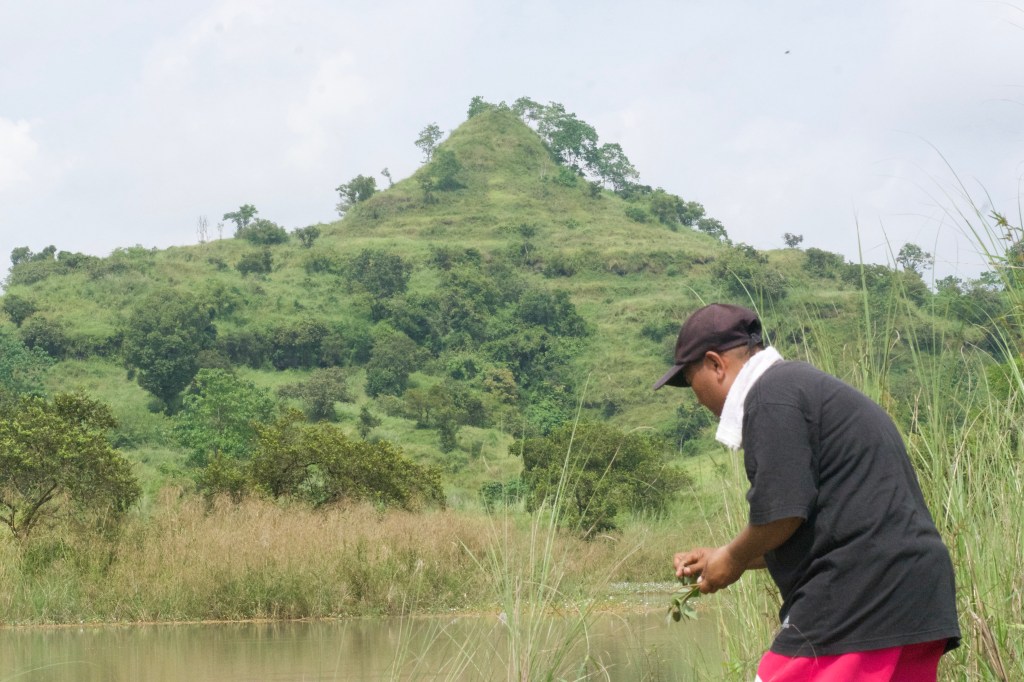
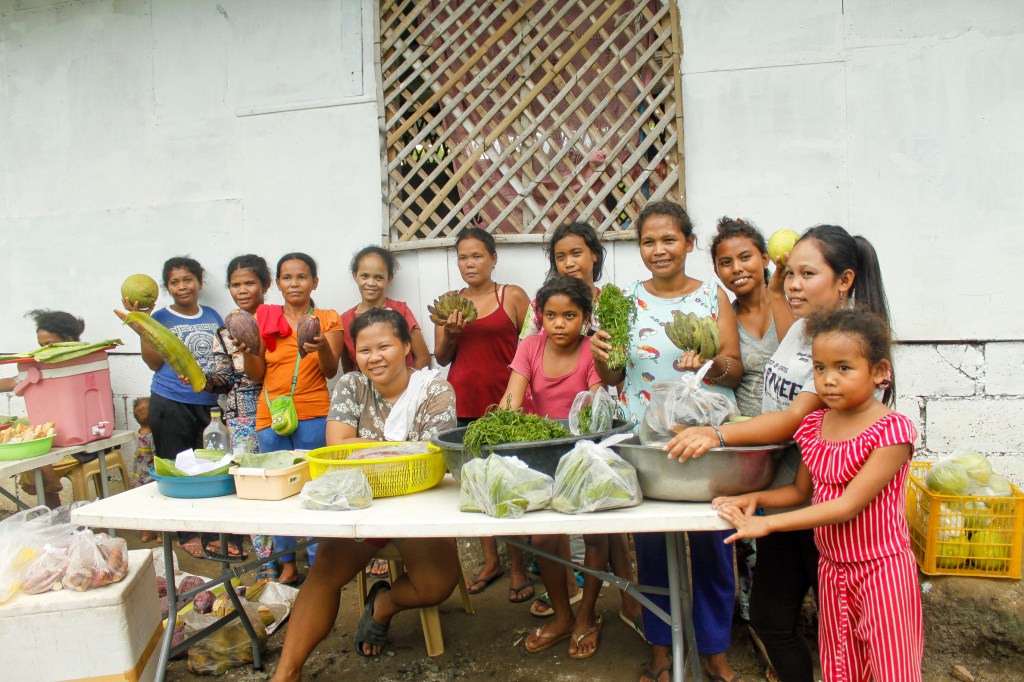
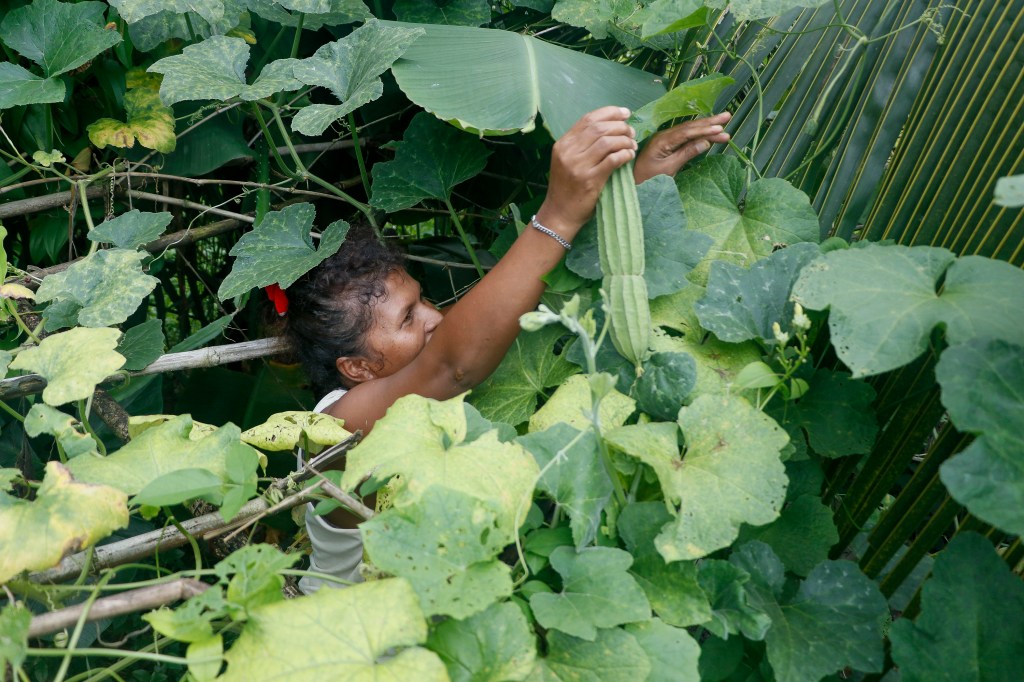
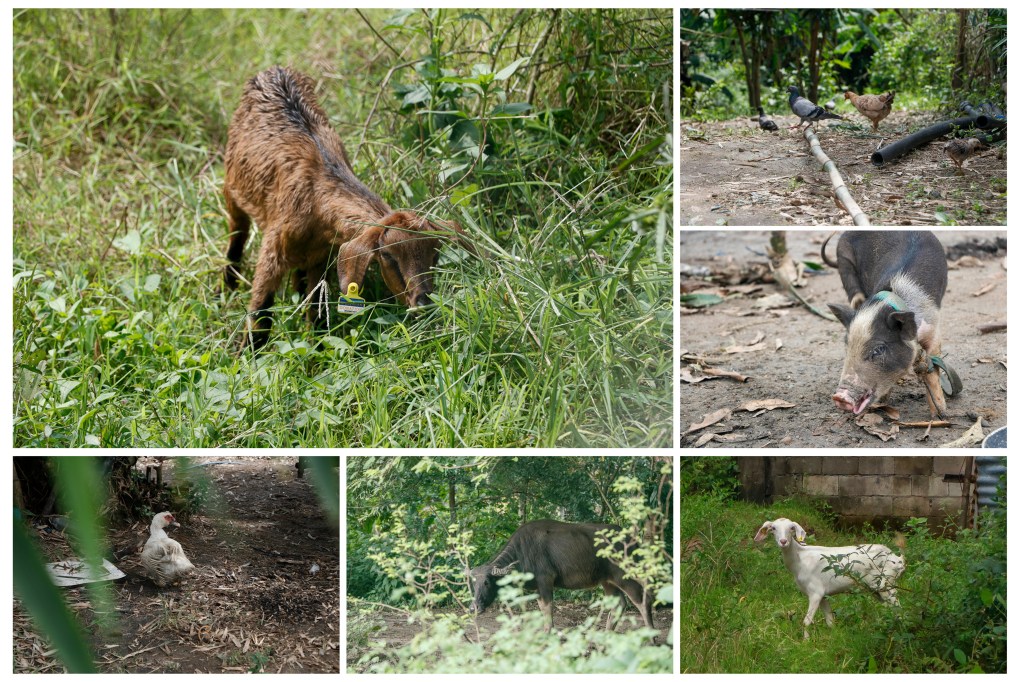
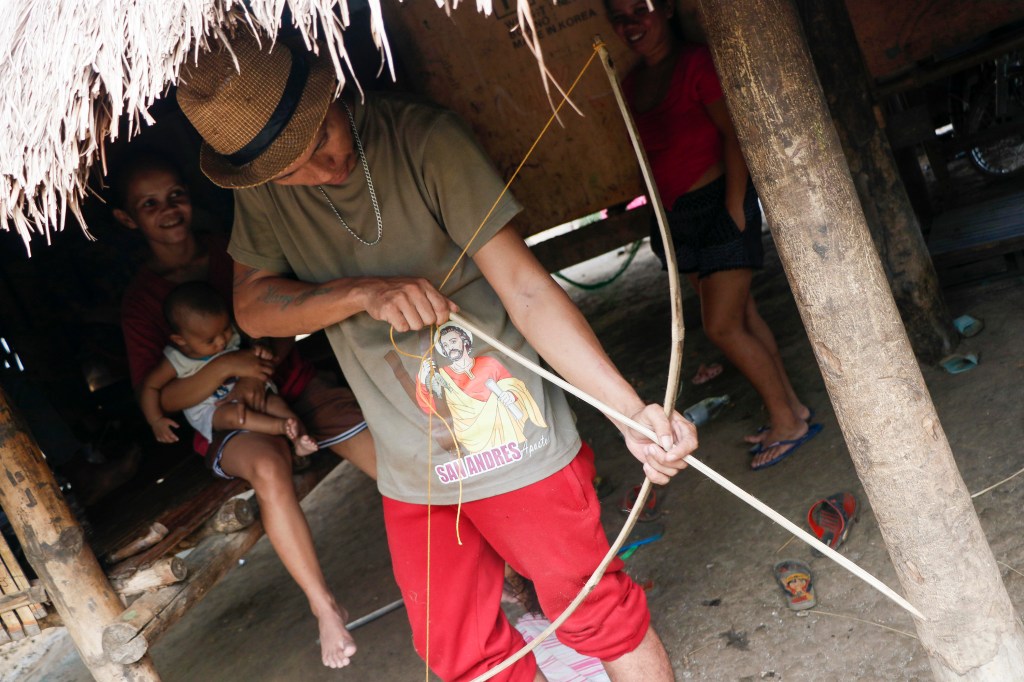
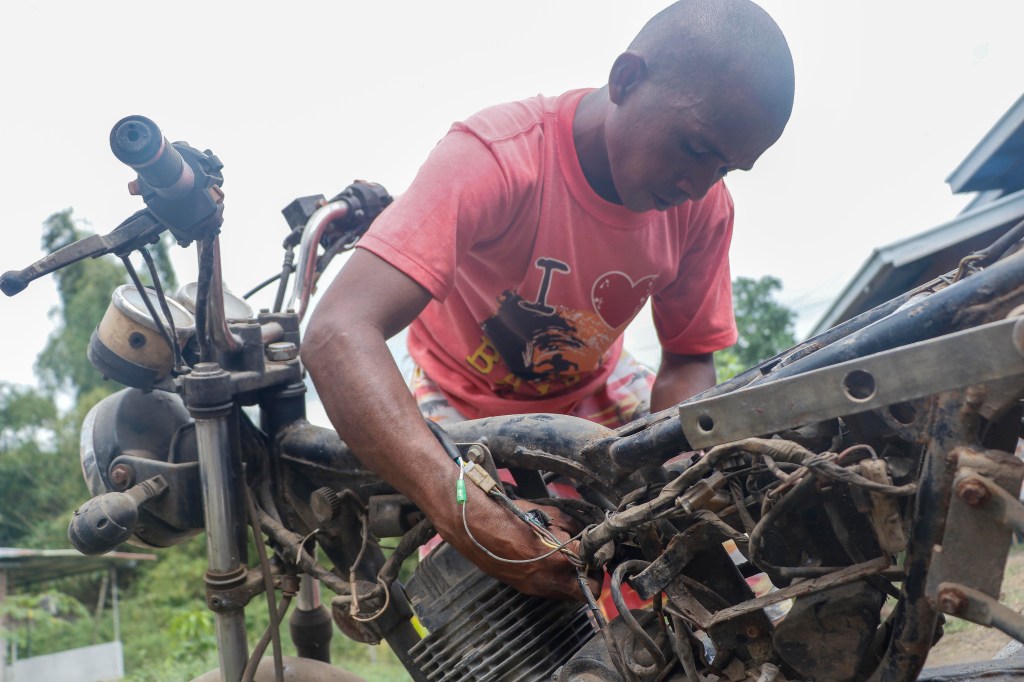
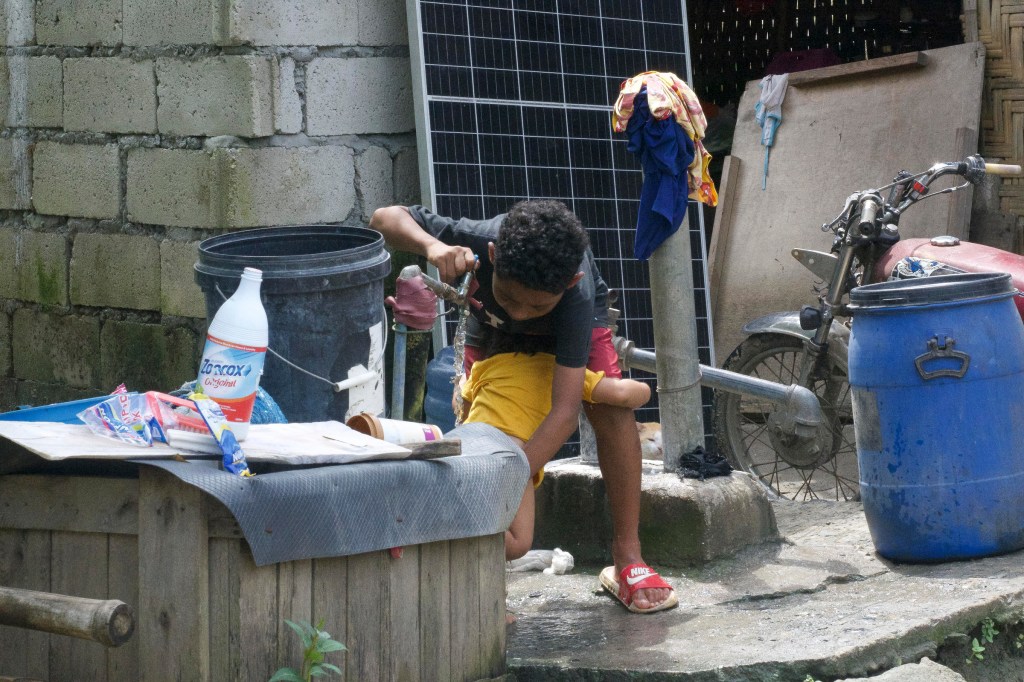
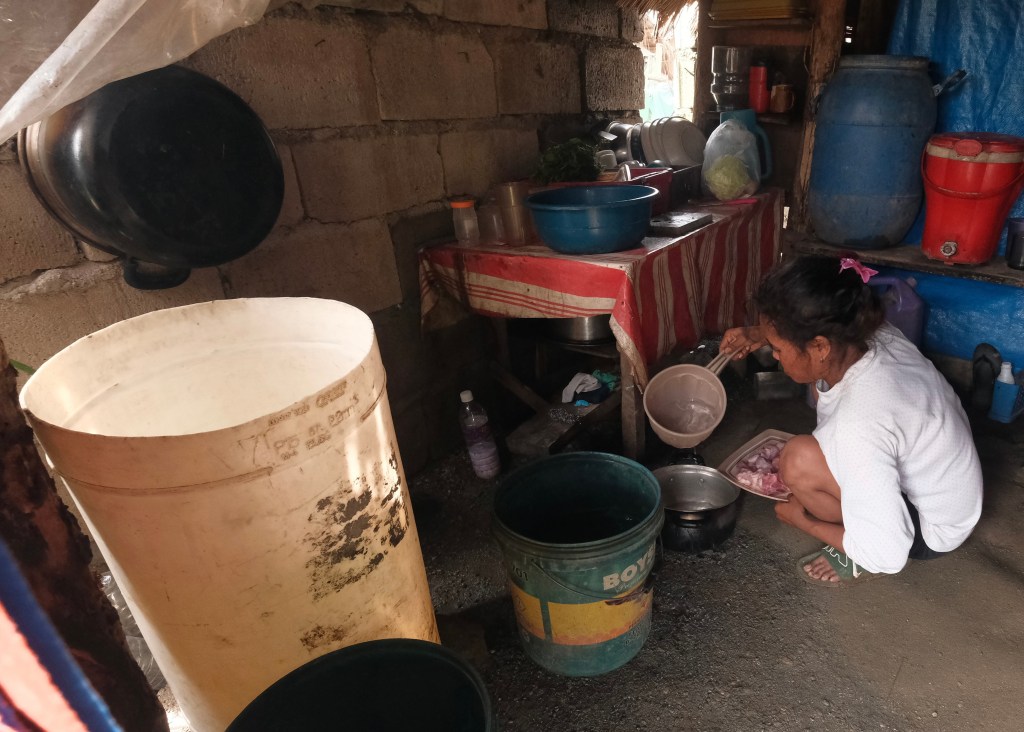
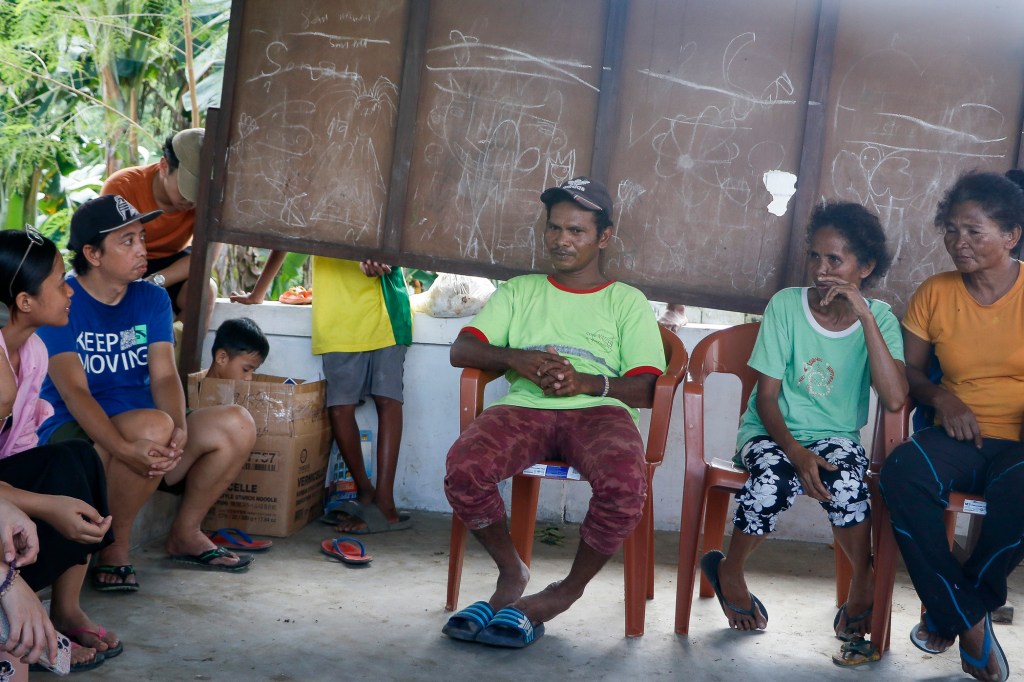
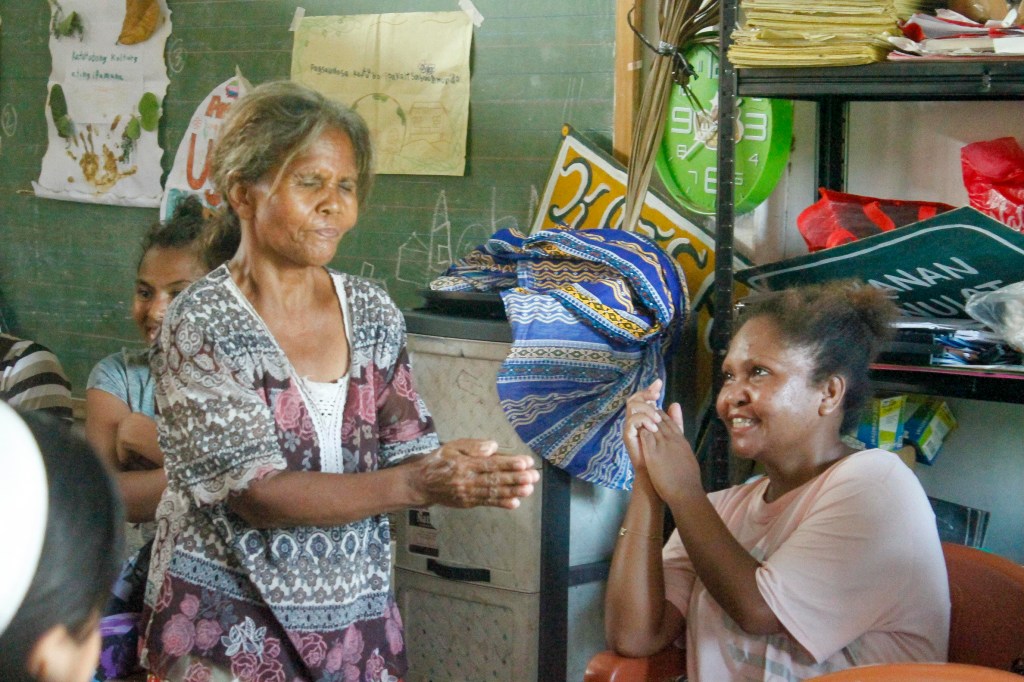
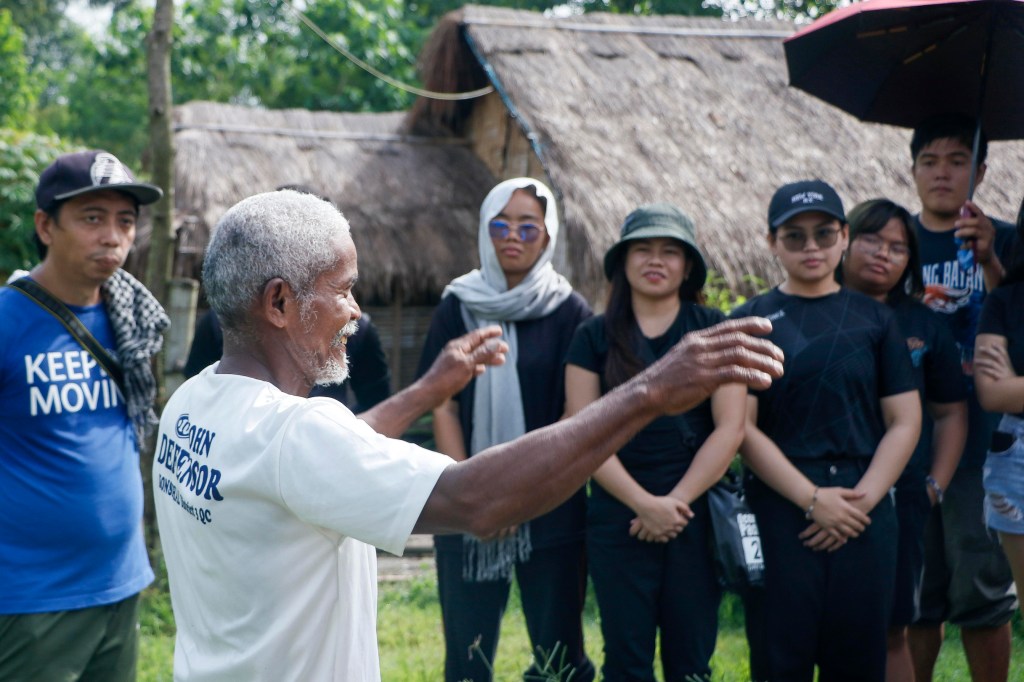
A group of Aeta children carry a box of textbooks that would be used for their weekly Sunday teaching session with volunteer teachers. With little to no support for Indigenous people from their local government unit, volunteer groups help teach the Aetas basic literacy and arithmetic skills.Aeta children read donated textbooks in their outdoor community center. With their communal culture, the Aetas allow everyone to read and review all of the books freely.Aeta learners also use their writing tablets outside the Aeta learning center during their free time. Most of the children are seen with these tablets practicing basic reading, writing, or even arithmetic.Marie, a regular student of the weekly teaching sessions, stands on the edge of a doorway while writing on her sketch tablet. Despite the community’s size and remote location, a generous amount of its space is allotted for an open educational environment for the whole community.Aeta children gather inside the learning center to read through books and school materials donated to their community. Their custom curriculum includes basic reading comprehension topics in English, Tagalog, or Kapampangan.Children in the Aeta community compete in a sack race outside the learning center. Beyond studying, playtime in free open spaces is an essential part of the learning process for the Aeta children.Volunteers from the group Liwanag at Dunong visit the community to teach not only Aeta children, but also older members of the community basic reading, writing, and mathematics every Sunday. The group built the Aetas a learning center that serves as their school and library for their weekly study sessions. These teaching sessions give the Aetas the needed literacy and arithmetic knowledge that would enable them to sell their products without the fear of being scammed.Volunteer teacher Maningning Vilog sheds tears during an interview after a sharing session with the elders. In the past, the Aetas used to belittle their capabilities whenever they were exploited and mocked by other people. A few years into the learning program, they now understand that they are not the ones at fault and are capable of defending their rights as Indigenous people.An Aeta family creates bracelets and anklets that they sell to visitors using beads gathered from a neighboring mountain. Many of the Aeta residents in Sitio Gayaman travel for hours to harvest products in the mountains for their livelihood.Maymay crafts bracelets made from locally sourced wooden beads. The Aeta community values their heritage of craftsmanship, which is dependent on the resources available within the local mountainside. They use their traditional skills to gather extra income to help provide for their needs.Rhea sells the homemade bracelets and anklets to volunteers and other visitors in their community. She is among the Aeta children who choose to help with their family’s livelihood on weekdays in place of studying in the elementary school near the community.Lolita De Guzman, one of the elder members of the Aeta community in Sitio Gayaman, shows the bamboo twigs she uses to create Christmas ornaments which she sells for extra income. While she manages one of the few remaining farming areas in the community, the food it produces is not enough to cater to their needs, forcing her family to find ways to gather income for their needs.Nanay Lolita demonstrates how she weaves ornamental stars out of bamboo fibers to sell in time for Christmas. She sources her materials from the nearby mountains, which also face the threat of deforestation and land conversion. While she makes the ornaments out of natural raw materials, she purchases her paint and other decorative materials from an online store, which also delivers directly to their community.Louis De Guzman harvests kangkong sprouts on the lake across “Susong Dalaga”, a hill that used to be a source of food and ample income for the Aetas, in the way of harvesting fresh river snails or susô. The way to Susong Dalaga is now impassable as New Clark City quarries have caused the lake to go from ankle-deep to a depth that has caused an incident nearly drowning 3 Aeta children and leaving one dead.A group in the Aeta community poses with the vegetable and fruit products that they harvested in the nearby mountains. Every Sunday, they travel for over two hours early in the morning to gather the produce that they sell to the visitors and volunteers in the community.Nanay Penny harvests a piece of silk squash or patola in the farming area behind their house. Their mini-farm features different plants such as papaya and patola, which Nanay Penny and her family eat daily. Nanay Penny’s backyard is one of the remaining areas in the community that produces edible crops.Various livestock can be seen around Sitio Gayaman. Most of these animals are taken care of until they are old enough to either eat or sell. Some, such as the goats, were donated by visitors to the community.Ricardo Monterola carves the frame of a bow and arrow from the branch of a banana tree. The Aeta are renowned for their hunter-gatherer lifestyle which necessitates the skills to craft and shoot a bow and arrow or pana. Ricardo, however, has not been able to hunt in recent years as he opted to work as a construction worker in a nearby town to provide for his family.Christian Tiglao reconnects the broken components that he fixed on his motorcycle. Christian rides the vehicele to travel to his job at a golf course in Tarlac, an establishment that displaced many Aeta people. The Aeta community in Sitio Gayaman is driven to adapt to modern-day technology in order to be able to work for their necessities.Solar panels are installed onto the roof of a house in Sitio Gayaman. Alternative sources of energy, such as second-hand panels were installed by the residents to help save on electricity, especially with the absence of urban lighting.An Aeta child scrolls through a social media app inside their house located in Sitio Gayaman. Despite the limited cell phone signal in the area, some households have broadband internet installed in their homes. With the introduction of modern technology, Aeta residents now use phones for communication, entertainment, and buying on e-commerce websites. The lack of regular garbage collection in the area leaves the Aeta community with no choice but to dispose of their trash near the river on the foothill of the community’s location. Due to their remote location beside Barangay Cutcut II’s landfill, the road to the Aeta village remains impassable to conventional garbage trucks.A river located near Sitio Gayaman turns brown due to the nearby landfill’s runoff and the lack of accessible waste disposal areas. The river used to be the Aeta’s main water source but has since been polluted. Their community, as well as the river surrounding it, are affected by the nearby landfill in Barangay Cutcut II that takes in over 40,000 tonnes of garbage from multiple provinces daily. An Aeta boy washes his sister in one of the two water stations located within their community. Due to the pollution in the river, the Aetas’ now get their water supply from a metered water source, requiring them to pay for clean water as opposed to the river that they used freely in the past.An Aeta woman uses water stored in drums to prepare chicken soup for her family to eat during lunch. Due to having only two primary sources of water within their village, Aetas stockpile their water in drums to prevent crowding over each faucet whenever they need access to water.Jerry, a local from a nearby village, fetches his daughter who resides and studies in Sitio Gayaman. Jerry said he fears dislocation as the land he resides in alone is within the New Clark City’s development area.Nanay Merlie, one of the Aeta elders, shares her personal experience of the Mt. Pinatubo eruption on June 15, 1991, which caused them to leave their ancestral land and relocate to Capas, Tarlac. The Aetas struggled to adapt to their new environment as they had to rebuild their homes and re-cultivate the land when they first arrived in Sitio Gayaman.Aeta elders share their concern for yet another relocation as New Clark City’s construction progresses. The ongoing construction of New Clark City sees the possible displacement of indigenous Aeta people from their land. Despite their historical presence and rights, the government and developers disregard their claims, leading to potential human rights violations and cultural loss.Nanay Dominga, an Aeta elder, demonstrates how she would perform “pag-aanito” to heal a sick member of their community. After being displaced from their previous settlement by the Pinatubo eruption, they made an effort to preserve their cultural identity and keep their deep connection with nature. Village elder Nelson De Guzman raises his arms to lead a prayer with the volunteer teachers. Beyond the Aeta’s agrarian and communal lifestyle resides a deep sense of spirituality that binds both traditional cultural beliefs and an increasingly modern lifestyle.










 Mata: Asia Press Photo
Leave a comment