Ibaan, Batangas was once known as the “Kulambo” Capital of the Philippines, until the widespread use of mosquito nets declined.
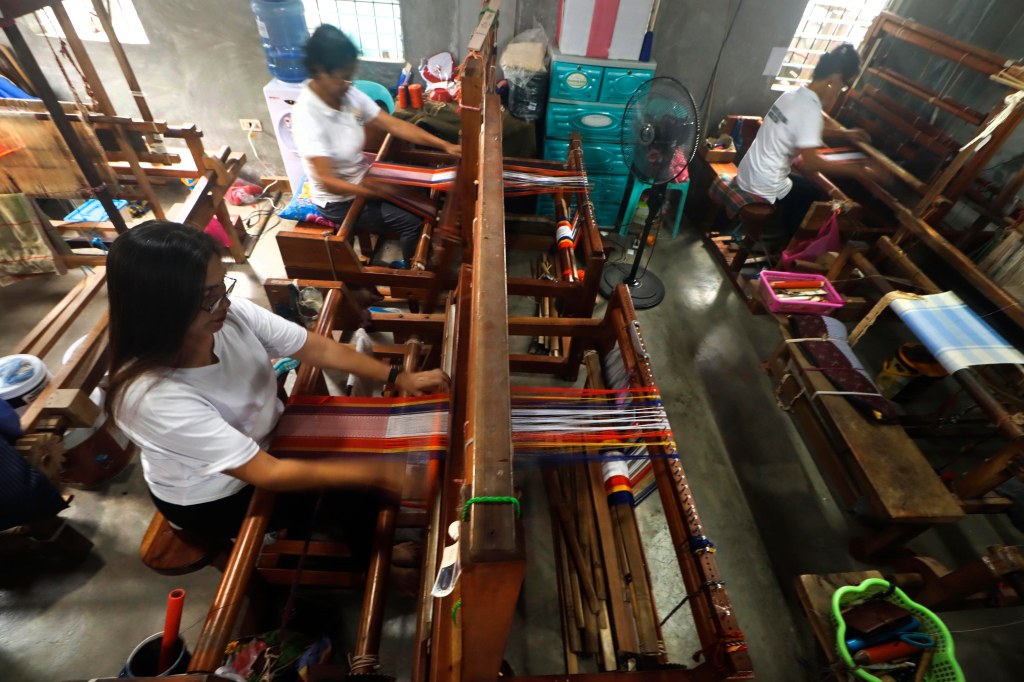
Determined to keep the tradition alive, the SM Sunrise Weavers Association (SMSWA) was established in 2017.
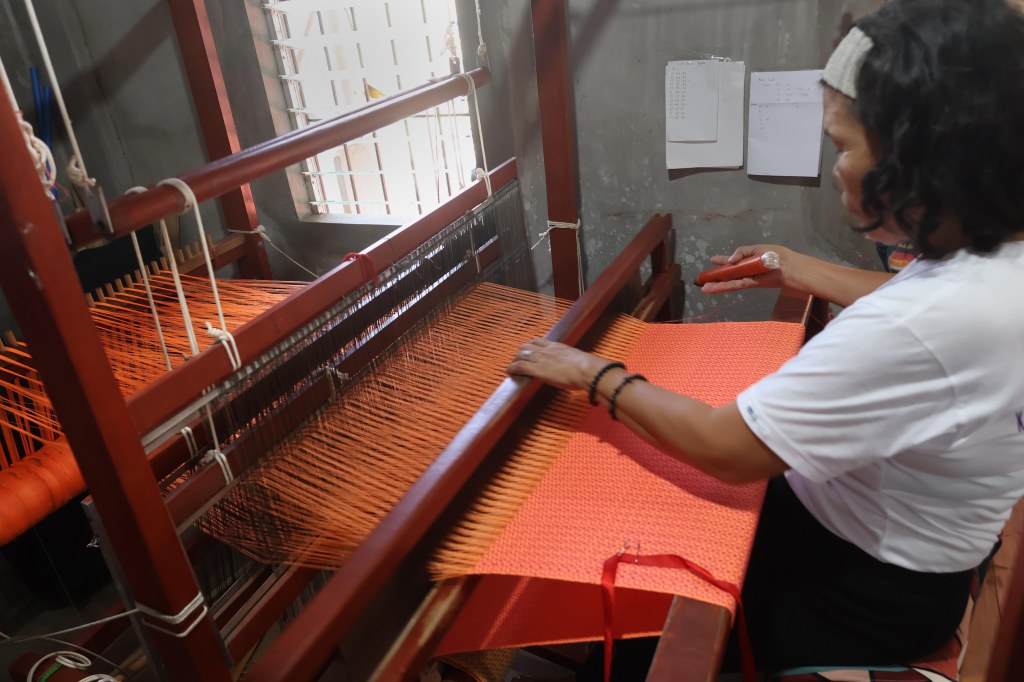
The all-women group specializes in producing handwoven fabrics, apparel, accessories, and other wearables using the traditional craft of handloom weaving—a rarity in today’s fast-paced, machine-dominated industry.
The group’s president, Remedios Valencia, “Ate Remy” to her colleagues, recalls their humble beginnings:
“Bilang Batangueño, alam natin pare-pareho na ang Ibaan talaga ay nakilala sa habi, lalo na sa kulambo. Gusto po naming maibalik, ma-revitalize ang habi, weaving. Kaya nag-form po kami ng grupo, eto na nga po yung SMSWA na isinunod namin sa aming patron Santa Margarita, kaya SM. Nag-umpisa kami sa wala. Wala kaming allowance, gawa lang kami ng gawa. Kasi nga wala pa kaming kapital. Wala namang nagbibigay sa amin ng kapital. E di kami na rin bumili ng aming produkto para lang magkaroon ng puhunan.”
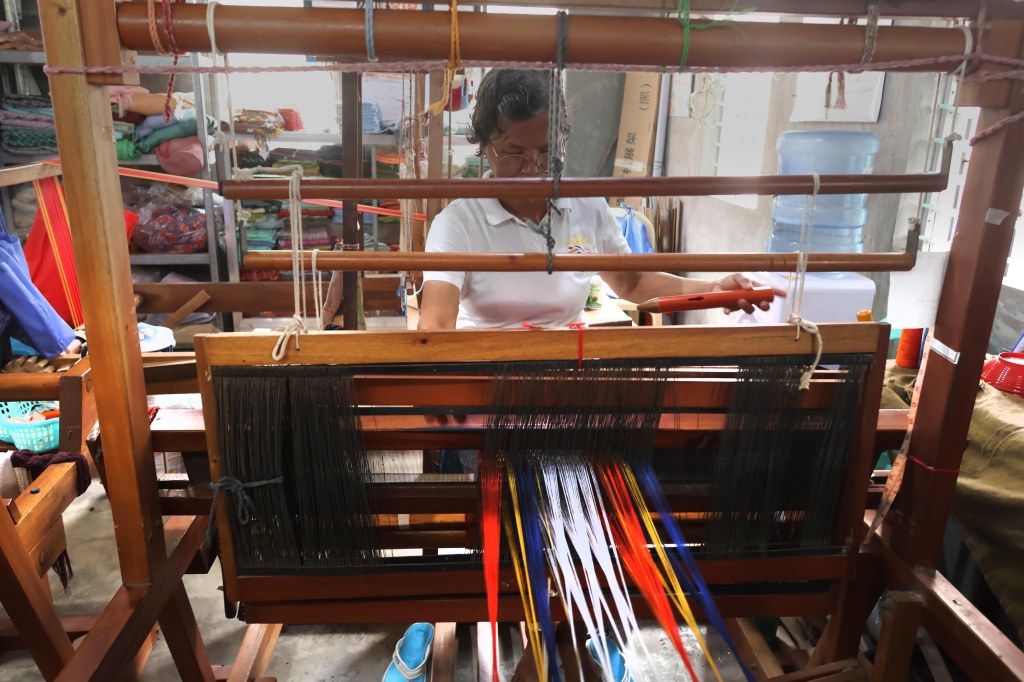
The group started with 45 members, which was more than the available handloom machines could accommodate.
In their first year, DOST-Batangas, through its Provincial Director Felina Malabanan, provided needed support, including the construction of a weaving center, advanced and manual weaving machines, and raw materials.


“Yang DOST ang number one agency, aside from the LGU, na tumulong sa amin kung paano kumuha ng permit, registration, or labels. Noong 2018, dumating naman si DOST-Philippine Textile Research Institute (PTRI) mula Taguig, at nagturo sa amin ng basic handloom weaving,” Ate Remy continues.
The women enhanced their skills, courtesy of DOST-PTRI’s advanced training, allowing them to create more intricate designs by September of the same year.
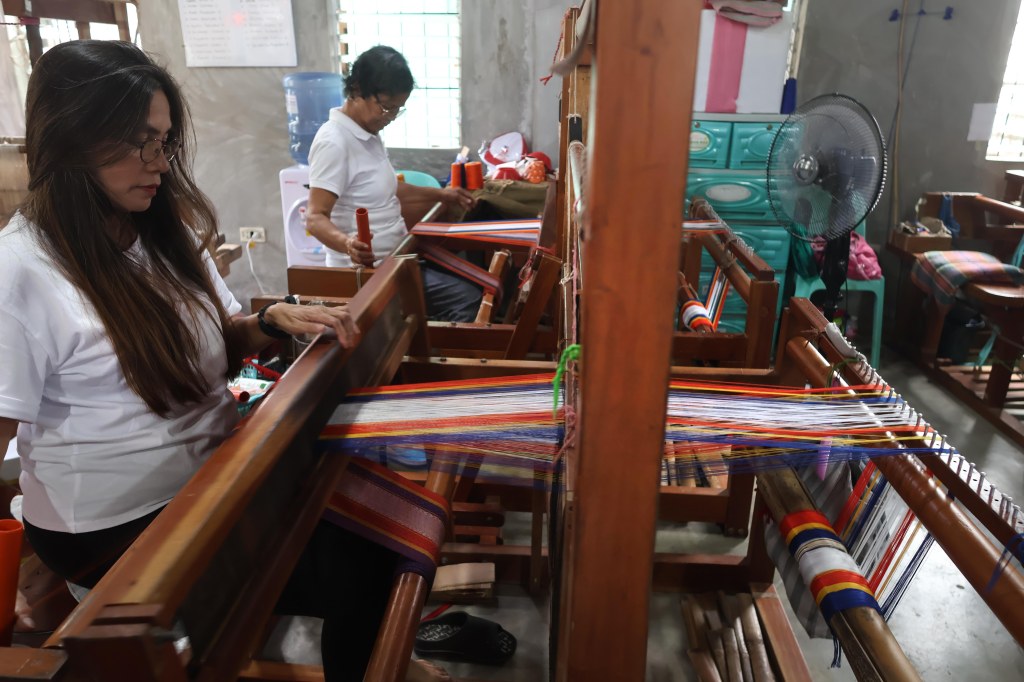
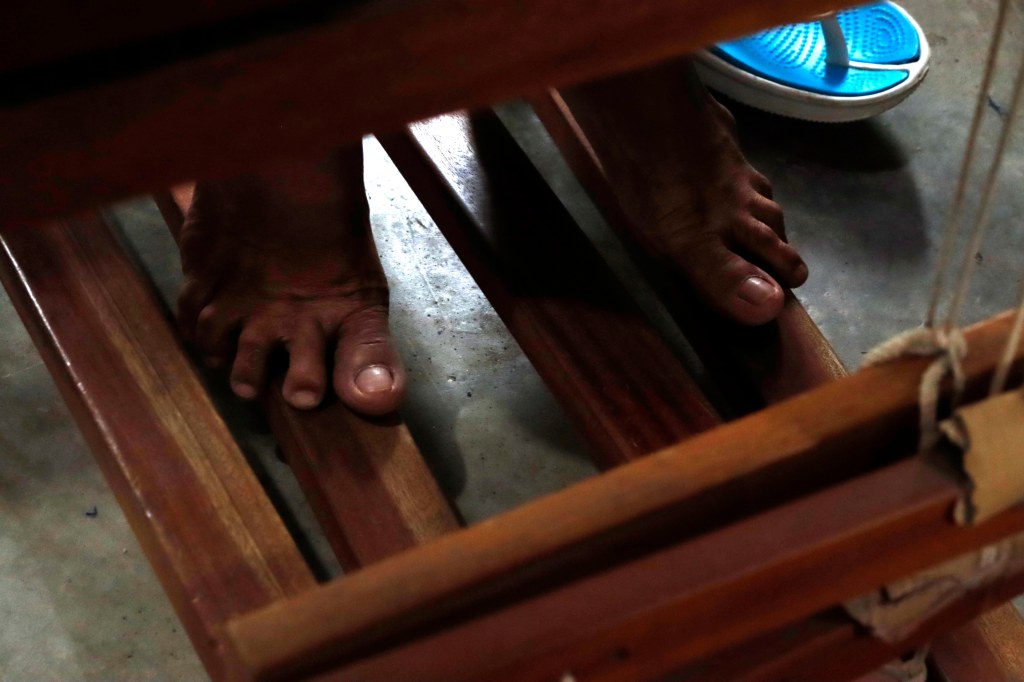
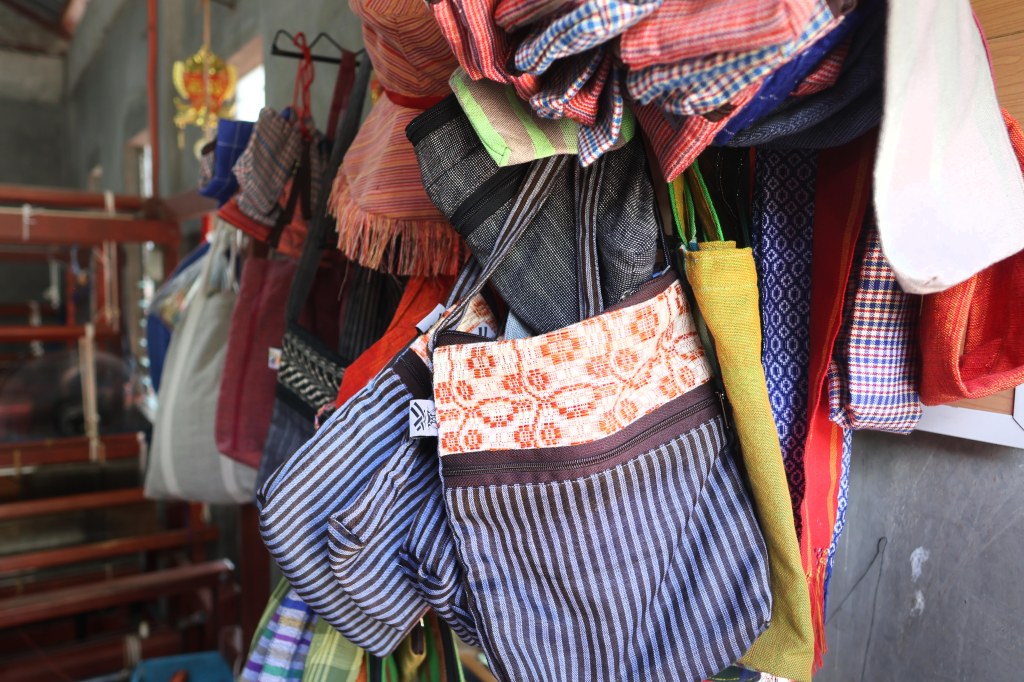
With an initial earnings of P2,200, the women were able to purchase quality threads from Lipa City, making their woven blankets more vibrant and appealing.
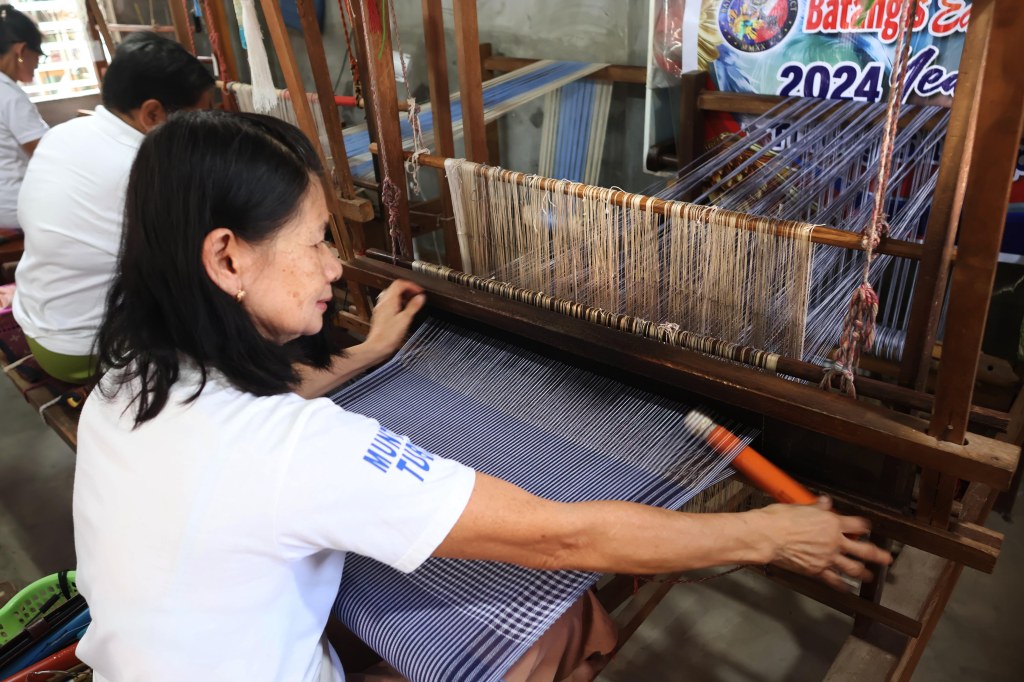
During the COVID-19 pandemic, operations halted for two months. Fortunately, the group adapted to the situation by producing fabric face masks and market them online, sustaining their income. They also received logistical support from the local government, the Philippine Fiber Industry Development Authority (PhilFIDA), and other private organizations.
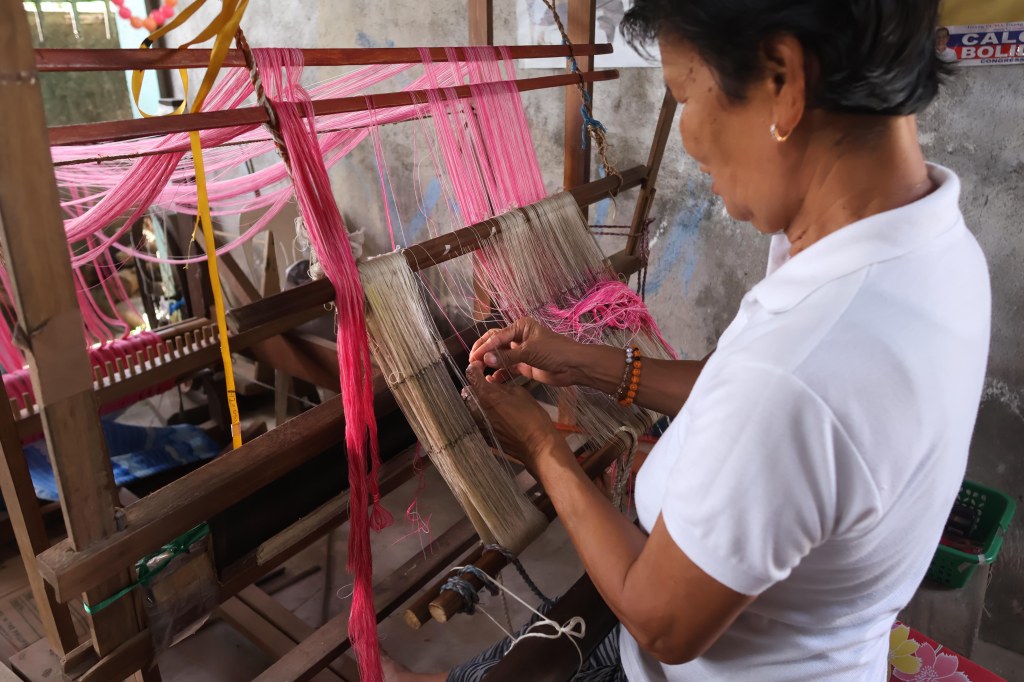
The group’s craftsmanship has earned them recognition, including the Dangal ng Batangan Folk Artist Award and the DOST Handloom Weaving Center title. Despite lacking an official marketplace, demand remains steady. Loyal customers include schools and institutions in and out of the province which include UP Diliman, UP Los Baños, University of Batangas, and Philippine Science High School CALABARZON.
Ate Remy ensures members are compensated with a weekly salary, allowances, and commissions. While additional earnings are saved in the association’s bank account.
However, challenges remain, particularly with aging weaving machines that slow production down. Although orders are consistent, investing in new equipment would significantly boost efficiency and output.
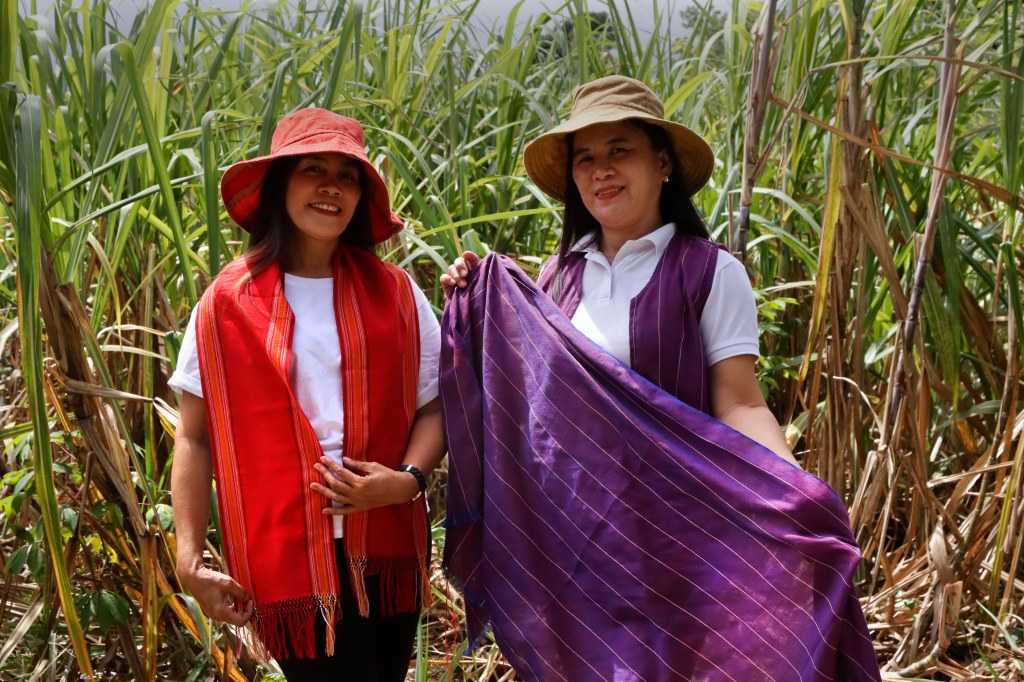
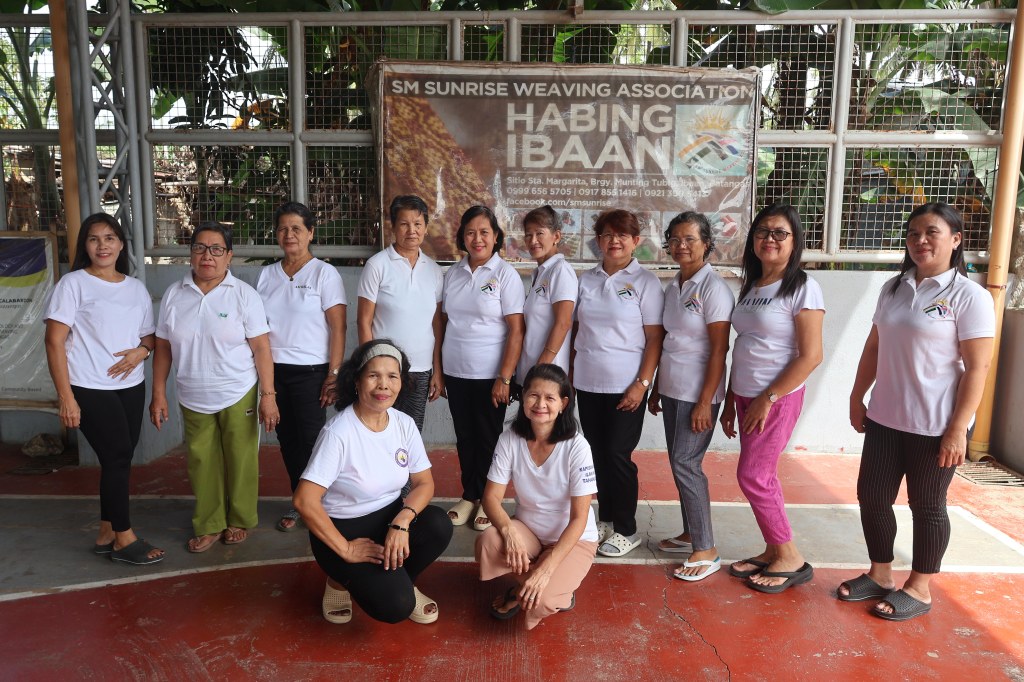
Through perseverance and community support, the SM Sunrise Weavers Association continues to preserve the tradition of kulambo-making and handloom weaving. Their work provides livelihood opportunities while celebrating Ibaan’s rich textile heritage.
The group stands as a testament to the artistry, resilience, and dedication of local artisans determined to safeguard their cultural legacy.
(Text and photos by Elmer Valenzuela)
 Mata: Asia Press Photo
Leave a comment