
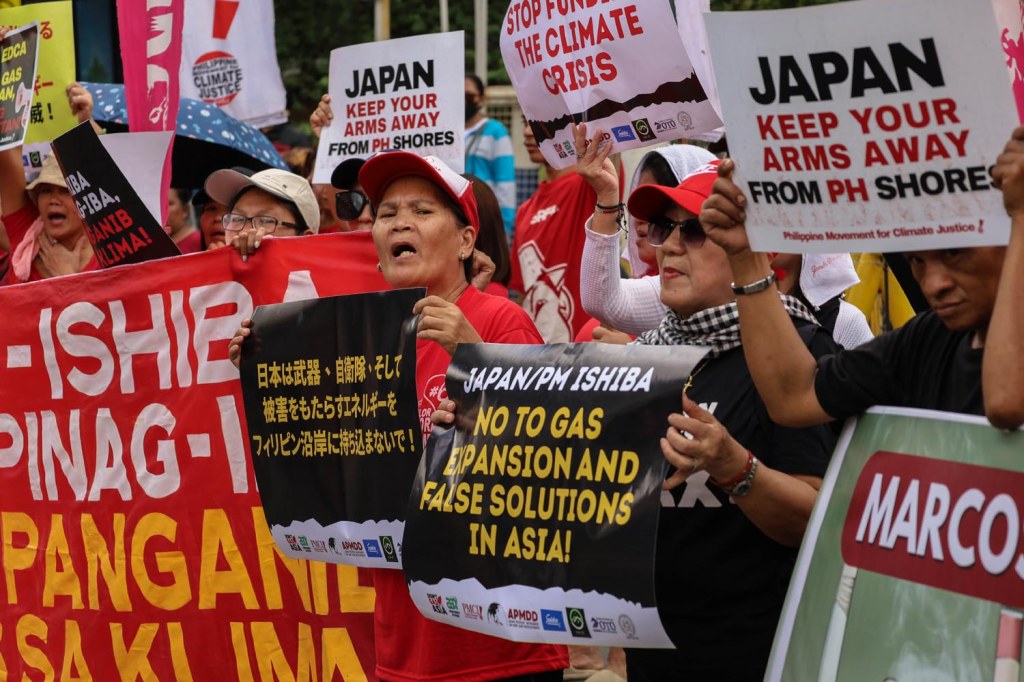
With Japanese Prime Minister Shigeru Ishiba set to visit the Philippines from April 29-30, civil society organizations are raising the alarm over the Japan-led Asia Zero Emissions Community (AZEC), which they say is a ‘greenwashing’ effort that will undercut the region’s transition towards clean energy.
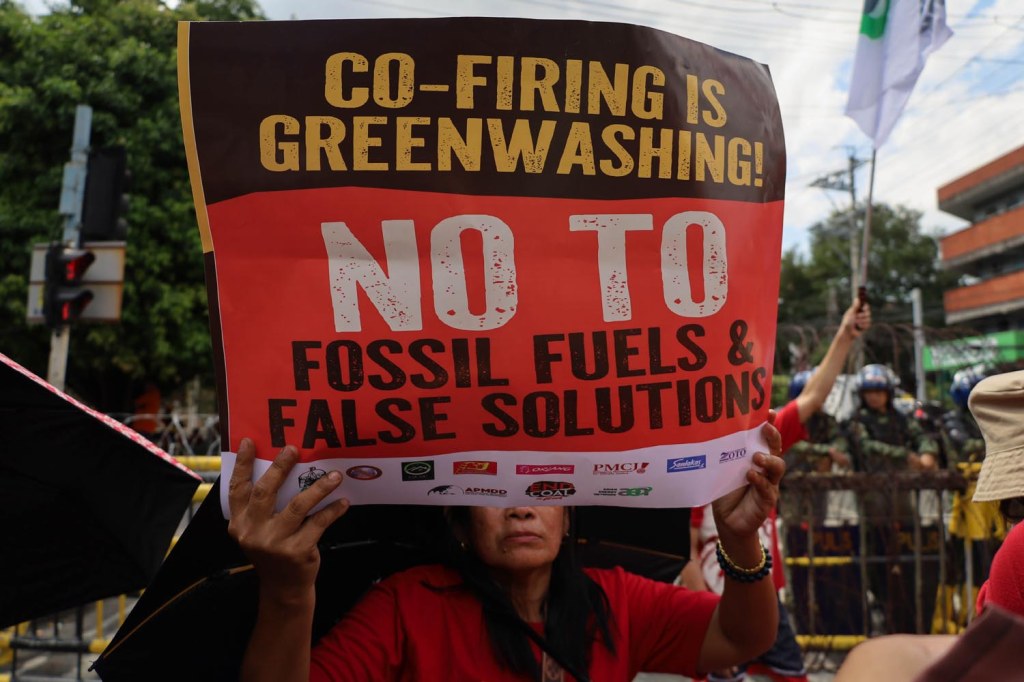
The Asian Peoples Movement on Debt and Development (APMDD), a regional alliance of social justice movements, slammed AZEC for promoting fossil fuel based technologies under the guise of decarbonization . “AZEC is a bogus framework for Japan to sell fossil fuel technologies and profit from Asia’s dependence on energy,” APMDD coordinator Lidy Nacpil stated. “AZEC’s backing for fossil fuel-based technologies – notably LNG, ammonia co-firing at coal power plants, hydrogen blending at gas plants, and carbon capture and storage (CCUS) – just delays the complete phaseout of coal and gas and the phase in of renewable energy which the world desperately needs to avert a climate catastrophe. Japan’s false solutions are expensive, unproven at scale, and take away from real solutions like wind and solar,” Nacpil pointed out.
APMDD, the Philippine Movement for Climate Justice (PMCJ) and the Fossil Free Japan (FFJ) view the Japanese government’s “AZEC diplomacy” as a “major red flag” and cause for concern.
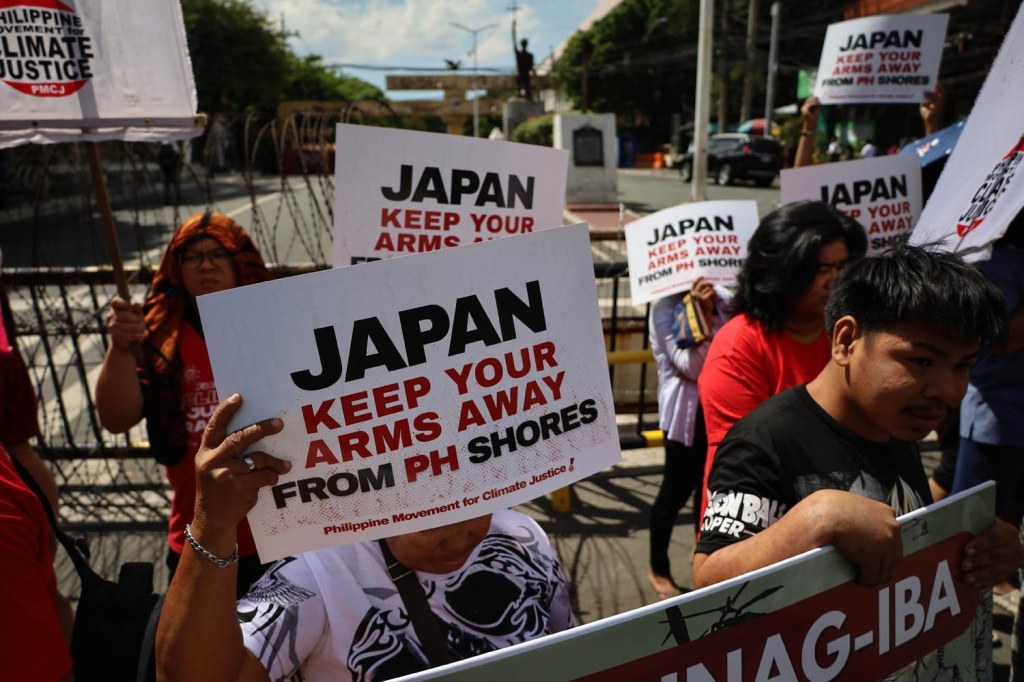
In his recent trips to Malaysia and Indonesia earlier this year, Prime Minister Ishiba reaffirmed Japan’s commitment to AZEC and declared stronger cooperation on fossil fuel-related technologies. Similar arrangements are expected to be negotiated with the Philippine government when PM Ishiba and President Marcos Jr. meet on Tuesday.
The third AZEC ministerial meeting is set to be held in Malaysia while an AZEC Summit is scheduled on the sidelines of the ASEAN-Japan Summit later in the year. APMDD and Philippine Movement for Climate Justice are calling on the leaders of Southeast Asia to reconsider their participation in the initiative. They are also demanding that Japan funnel its funds to community-based renewable energy systems and fulfill its role as an affluent industrialized nation sworn to uphold its international climate pledges.
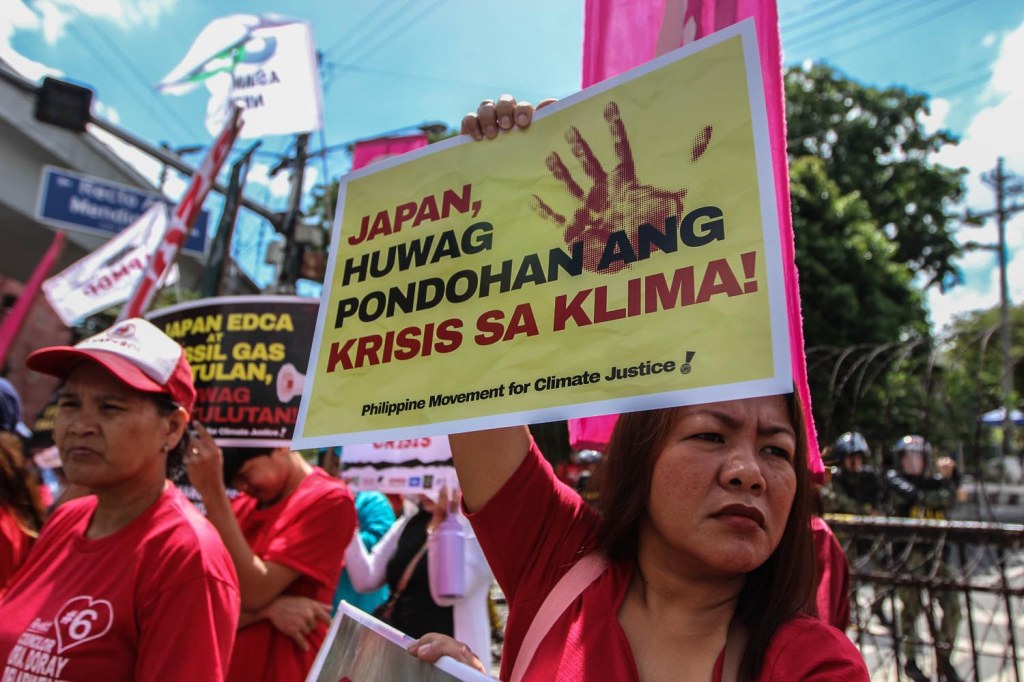

“We refuse to be locked in any partnership that will condemn our region to decades more of escalating and devastating climate impacts and deadly fossil fuel dependence. True energy security lies in a fast and fair transition to renewable energy, and not in Japan’s toxic gas exports,” Ian Rivera, National Coordinator of PMCJ stated.
Meanwhile, Hozue Hatae, a finance campaigner of Friends of the Earth Japan pointed out the role and accountability of Japan for regional energy transition. “All the agreements under the AZEC have been made among government agencies and large corporations without any consultation with communities and CSOs. Many projects under the AZEC will prolong not only the use of fossil-based technology but also the harm against local communities. As Japan has historical responsibility for the climate crisis, it must sincerely listen to and support the needs of local communities for just, rapid, and equitable energy transition.”
According to a report released by global energy think tank Ember, over 99% of renewable energy potential from solar and wind in Southeast Asia is untapped. Yet Japan is still backing fossil fuel investments with the explanation that there are “different paths” to net-zero emissions. This narrative perpetuates Japanese corporate interests, civil society groups contend. They cited that a large portion of AZEC’s memorandums of understanding (MOUs) – 35% – are for fossil-fuel technologies being promoted by Japanese energy giants, such as JERA and Mitsubishi Heavy Industries.

FFJ’s Makiko Arima of Oil Change International noted that the Japanese government and its related agencies have influenced decarbonization road maps in countries such as Indonesia, Malaysia, Philippines and even Bangladesh in South Asia supporting LNG, hydrogen and ammonia over renewables. She further added that these strategies, which clearly take the lead from Japanese companies, resemble Tokyo’s economic agenda more than a real commitment to meet the climate targets it has pledged on paper.
Photos: Jann Conrad Bonifacio for Mata: Asia Press Photo
PRESS RELEASE
April 29, 2025
> INBOX is a label for press releases, statements, announcements,
letters to the editors, and manifestos sent to Mata: Asia Press Photo
for publication. Mata: Asia Press Photo is not responsible for the
content of these materials. The opinion expressed in these items does
not reflect those of Mata: Asia Press Photo editors and staff.
 Mata: Asia Press Photo
Leave a comment