
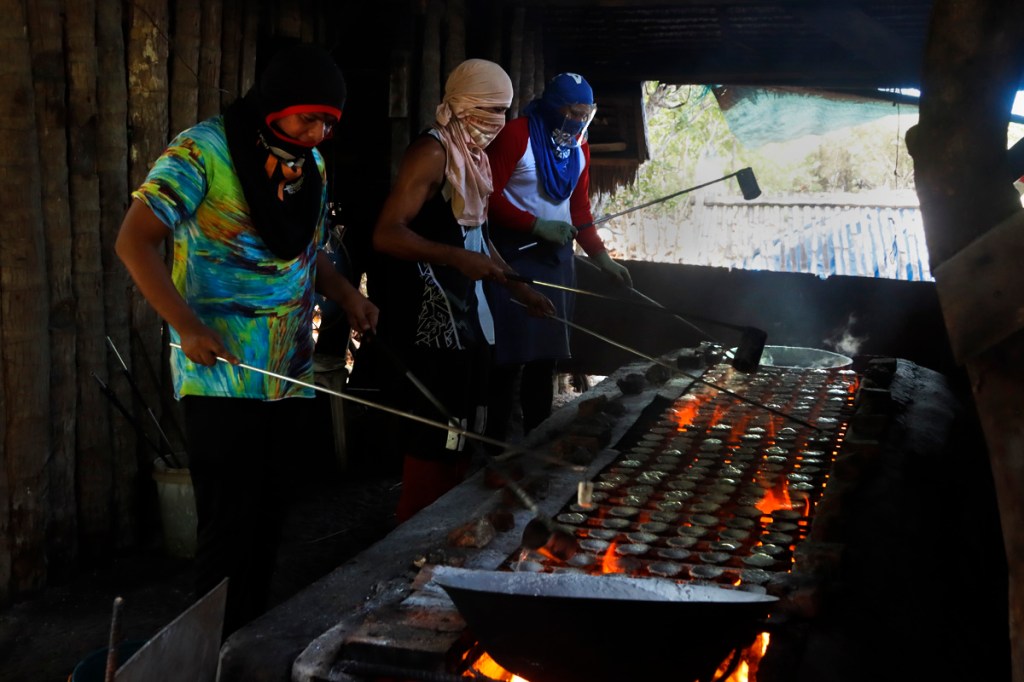
In a quiet coastal town in Bohol, a flame burns gently—not on clay pots where asin tibuok is formed, but in the hearts of a few who are driven to carry a tradition.
Asin tibuok is a rare, centuries-old type salt known for its earthy, smoky flavor and distinct shape. The salt is more than just a kitchen ingredient — it’s a living piece of Filipino heritage.
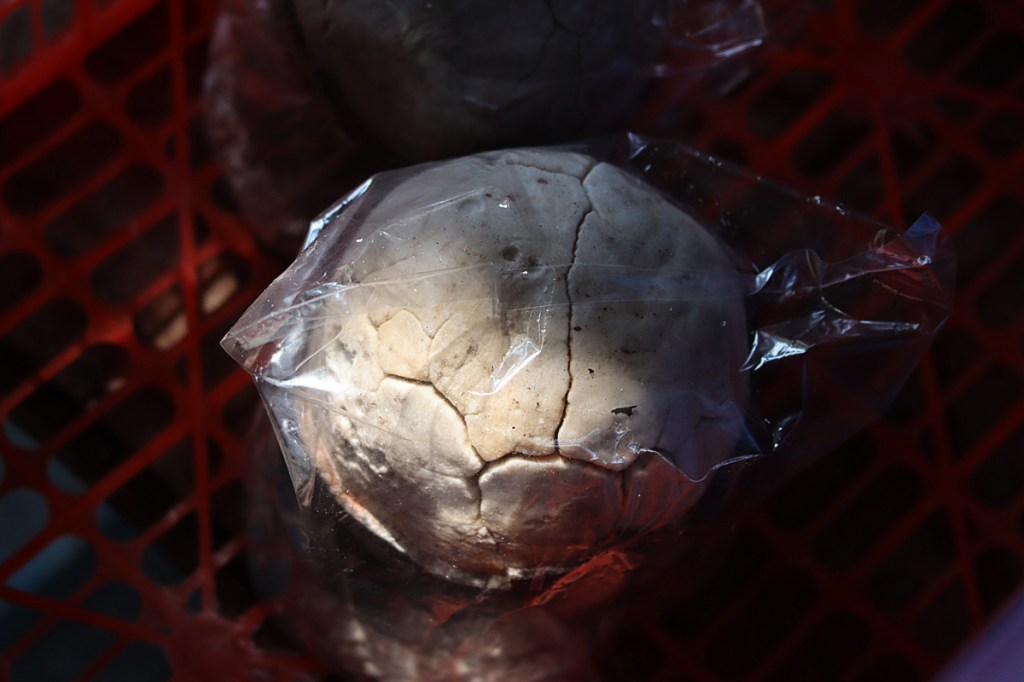
Asin tibuok (or “rock-solid salt”) is typically created and shaped resembling a coconut or a dome. Unlike commercial salt, it is produced in a non-industrial manner, hand-crafted, and smoked using ancestral techniques. (Also called “Dinosaur Egg Salt” due to its appearance and texture.)
Highly treasured by chefs and cultural advocates, asin tibuok is both a culinary delicacy and a symbol of indigenous knowledge.
The ancient craft of asin tibuok-making traces back to the Spanish time, particularly among coastal communities of Alburquerque in Bohol.
Back then, salt was not only used for cooking but also for bartering and food preservation, especially at a time when cold storage was nonexistent. The salt-making method was passed down from generations to generations.
However, the customary method began to decline in the 20th century due to modernization, low profitability, and the emergence of cheaper, imported salt.

Environmental issues such as rising sea levels and unpredictable weather patterns have affected traditional salt-making particularly in coastal areas like Alburquerque where producers rely on natural evaporation processes.
The ASIN Law (Act for Salt Iodization Nationwide) has also hit the local salt industry hard, forcing traditional salt makers to give up their craft.
The loss of traditional skills where younger generations are no longer inclined to continue the old methods due to the allure of modern jobs or lack of economic incentive.
More importantly, with the older generation of salt-makers having been retired or passed away, fewer young people are learning the craft, leading to the potential loss of traditional knowledge.
Asin tibuok was revived with the help of contributing agencies such as the National Museum of the Philippines, DENR, DOLE, the Local Government of Bohol, the LGU of Alburquerque and largely to cultural advocates or food historians.
Felix Pinlac, 80, of the Kapulungan ng Magasinan sa Alburquerque (KASAMA) played a key role in keeping the tradition alive. Pinlac says resurrecting asin tibuok wasn’t just about producing salt again—it was about cultural preservation and community identity.

The salt-making process is labor-intensive and spans weeks.
“Akala nila yung lulutuin namin, yung dagat. Hindi dagat. Hindi magiging buo, hindi matibuok, hindi maging rock salt ito pag dagat. Ang niluluto namin—coconut husk, yung bunot,” Pinlac explains. “Tagal ang proseso, hindi overnight. Maka produce kayo ng asin tibuok two months at least. “
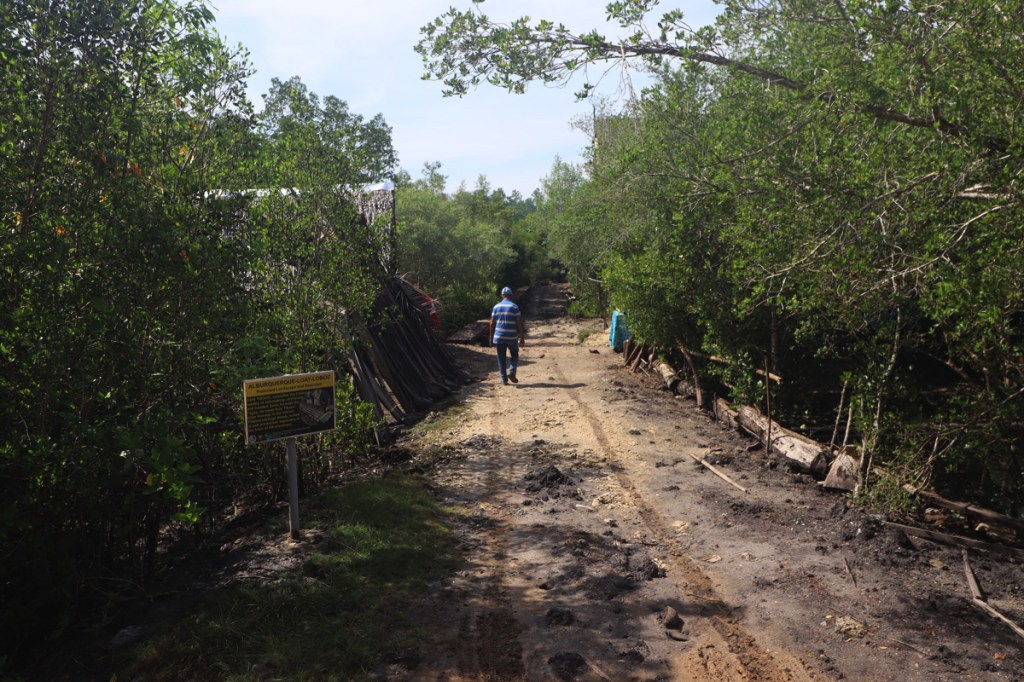
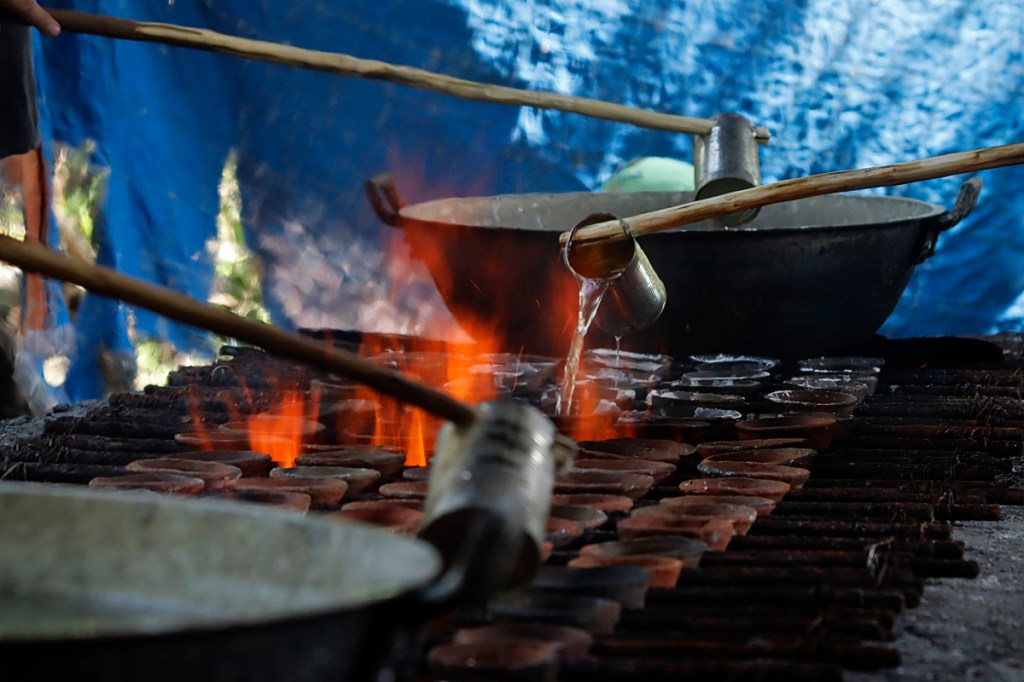
Coconut husks are soaked in seawater for two months in the seaside mangrove area of the Alburquerque-Loay-Loboc Protected Landscape and Seascape. Salt-makers build nipa huts they call “asinan” on the site as crucial in the production.
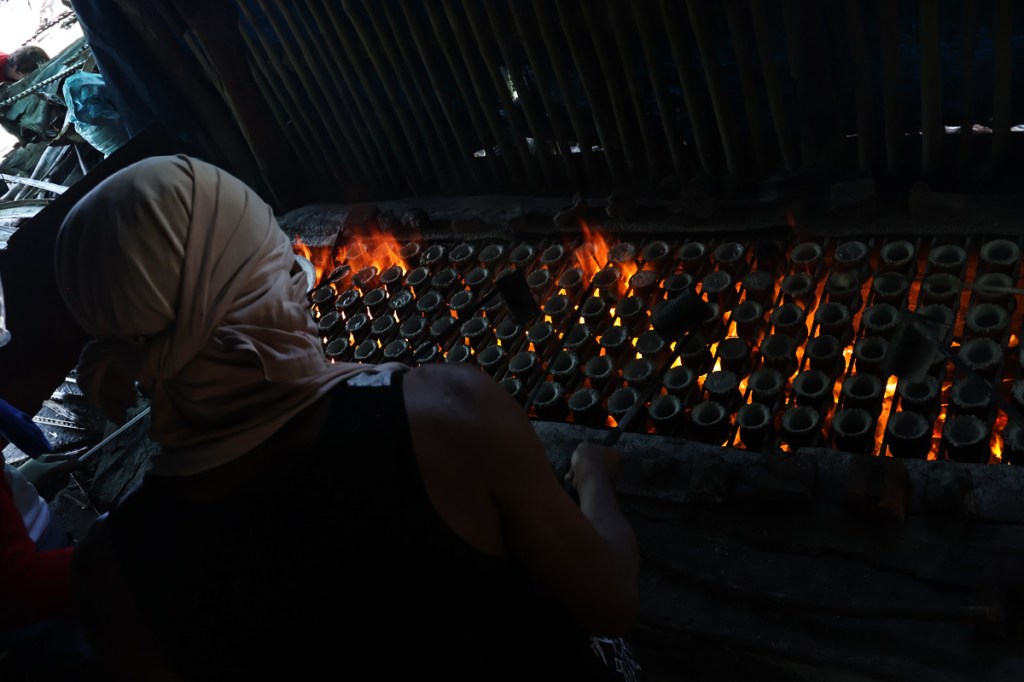
The husks are then collected, dried and burned into ash, of which the ash is then filtered through water via a bamboo funnel, producing brine.
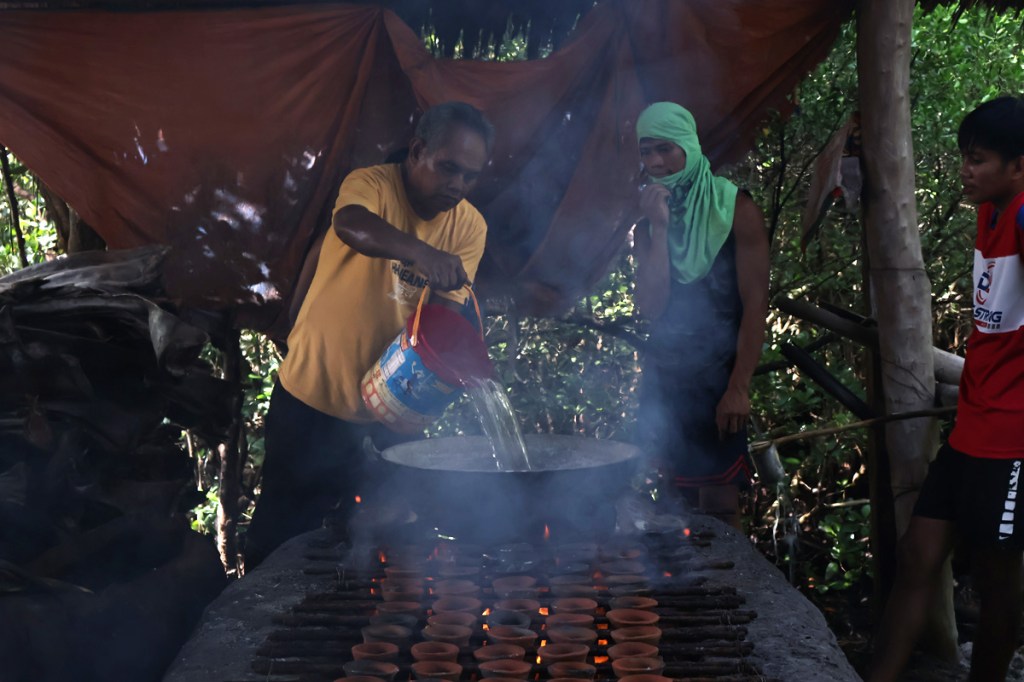
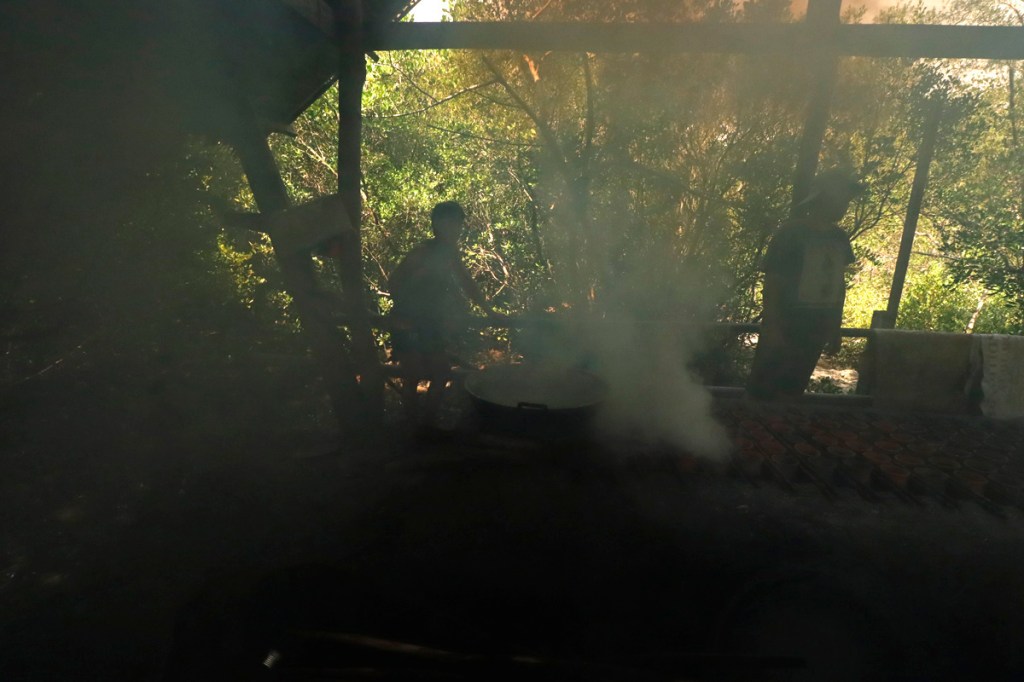
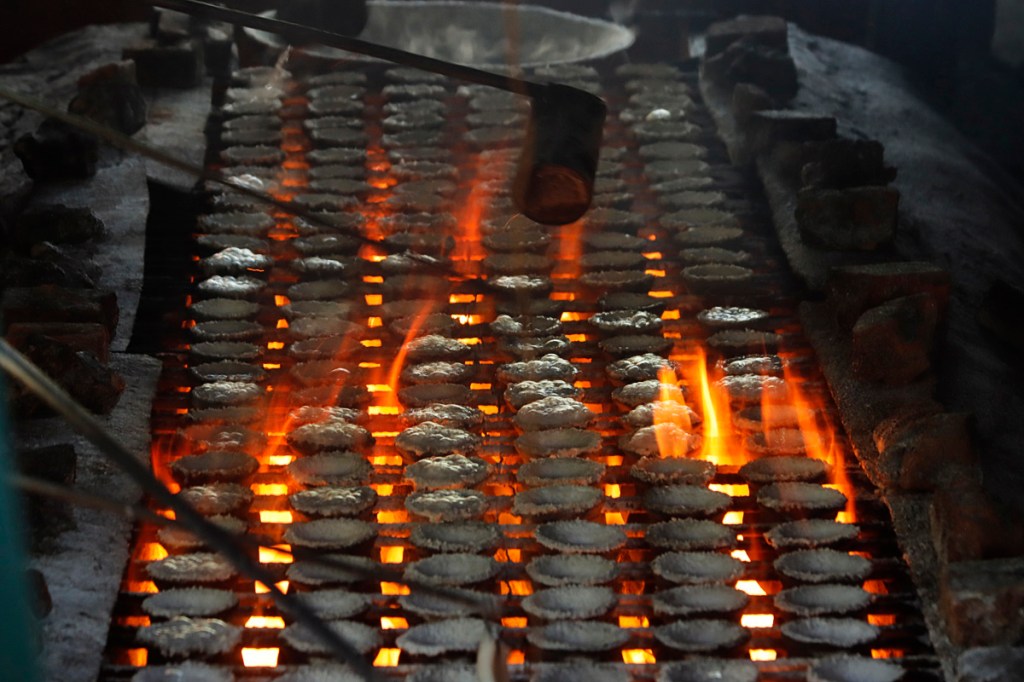
The brine is boiled for hours in clay pots over firewood. As it evaporates, salt forms and binds into a solid dome inside the pot.
The salt is left to dry, forming the signature tibuok (whole) dome-like shape.
The final product is a hard, salt rock that is grated or chipped into dishes.
“Magluto kami ng 100 pots, kailangan mga 3 days and 3 nights lulutuin namin, maging ash na yung bunot. During that period walang tulugan. Kasi pag umapoy, wala nang bisa ito. Maging ordinaryo na ash. Kailangan bantayan,” Pinlac continues.
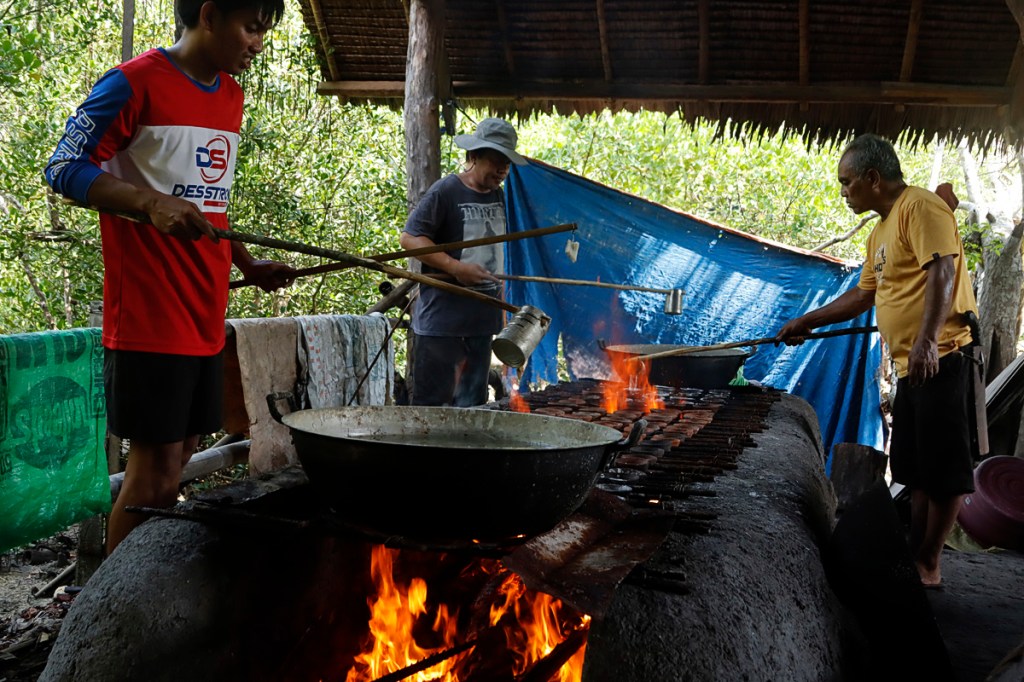
Due to its rarity and laborious process, one “ball” of asin tibuok costs from 400 to 600 pesos or even higher when exported. Although not yet a major economic driver, asin tibuok offers additional income to the few families involved. But with the right investment and demand, the time-honored enterprise has the potential to grow into a sustainable heritage-based trade.
Tourists can find asin tibuok on roadside gift‑shops along the Tagbilaran‑Albur highway.

Asin tibuok’s revival drew media coverage here and abroad. On National Geographic Traveller (UK), Chef Richie Castillo mentioned the salt on The ABCs of Filipino Cuisine: “In the Bohol region, they make a salt called asín tibuok, which is sharp, earthy and smoky.”
Fil-Am journalist Jordan Winters writes in Adventure.com “It’s not a dinosaur egg… it’s a rare salt from the Philippines making a comeback.”
Today, asin tibuok salt-making is on the brink of extinction, with only 4 families in Alburquerque who are continuing the tradition.
For the legacy to survive, it must be documented and taught to younger generations as the next cultural bearers of this ancestral knowledge. It must gain more institutional support; stay financially viable through niche marketing and tourism; and be embraced by the culinary world as a slow food treasure.
The growing interest in traditional, sustainable, and artisanal foods may provide the momentum needed to ensure this ancient salt is carried over to future generations.
In April of 2024, the Philippines—through the UNESCO Philippine National Commission (UNACOM) as supported by the provincial government of Bohol, the Center for Culture and the Arts Development (CCAD), the Bohol Arts and Culture Heritage Council, and the local government of Alburquerque—formally submitted the practice of making Asin Tibuok as its nomination for UNESCO’s 2025 Urgent Safeguarding List of Intangible Cultural Heritage. The nomination aims to ensure the safeguarding and transmission of this cultural practice to future generations.
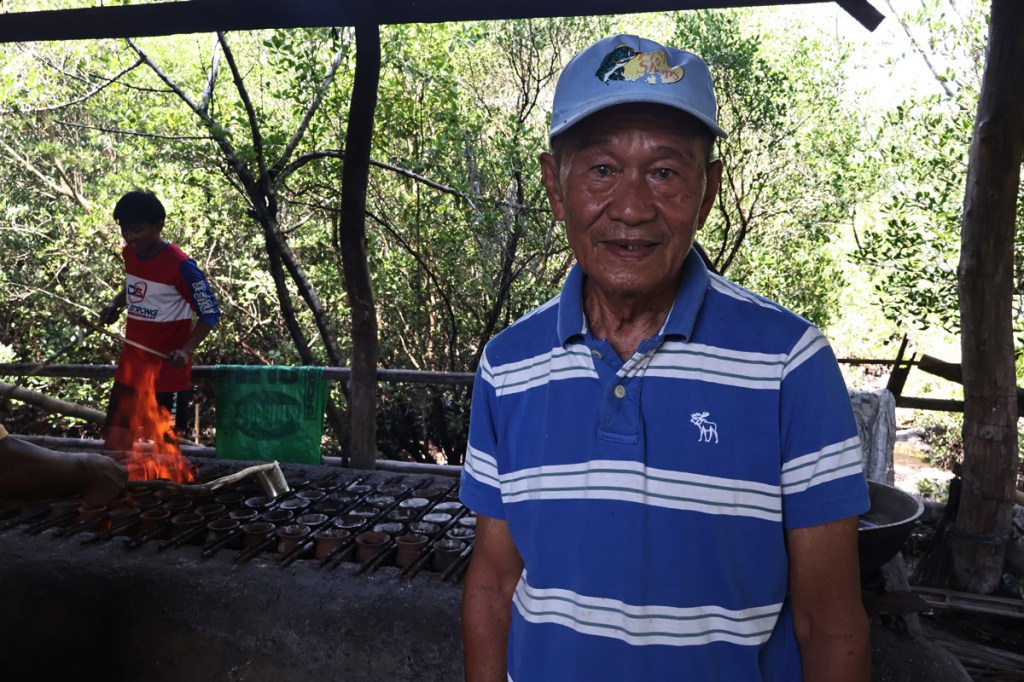
Felix Pinlac says he hopes asin tibuok, its values and stories, would be passed down to the next generation to help society understand their past and learn from it. After all, even in the Bible, salt is deeply significant—not just as a seasoning, but as a powerful symbol of preservation, and enduring covenant.
(Photos and text: Elmer Valenzuela)
 Mata: Asia Press Photo
Leave a comment