
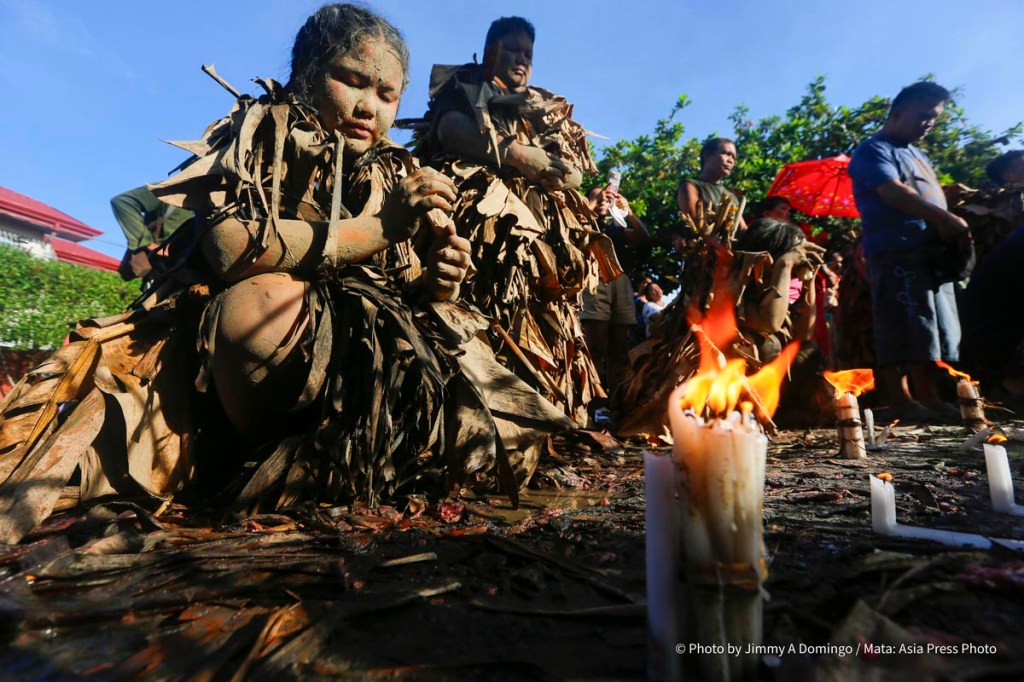
Every year, on June 24, Catholics in the farming village of Bibiclat in Aliaga, Nueva Ecija, 150 kilometers north of Manila, celebrate the feast of Saint John the Baptist with a unique cultural-religious ritual that has attracted religious devotees and cultural tourists in recent years.
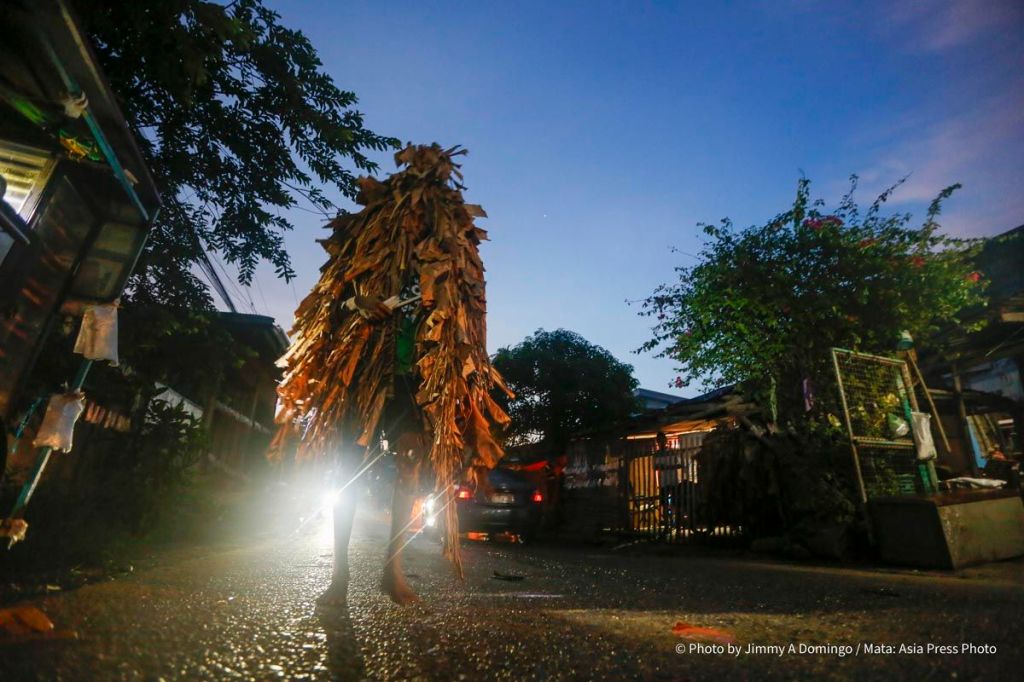
The devotees emulate the saint’s humble and ascetic lifestyle, and they express their faith and gratitude to the Saint thru pagsa-San Juan. And they call themselves “Taong Putik,” literally “mud people.”
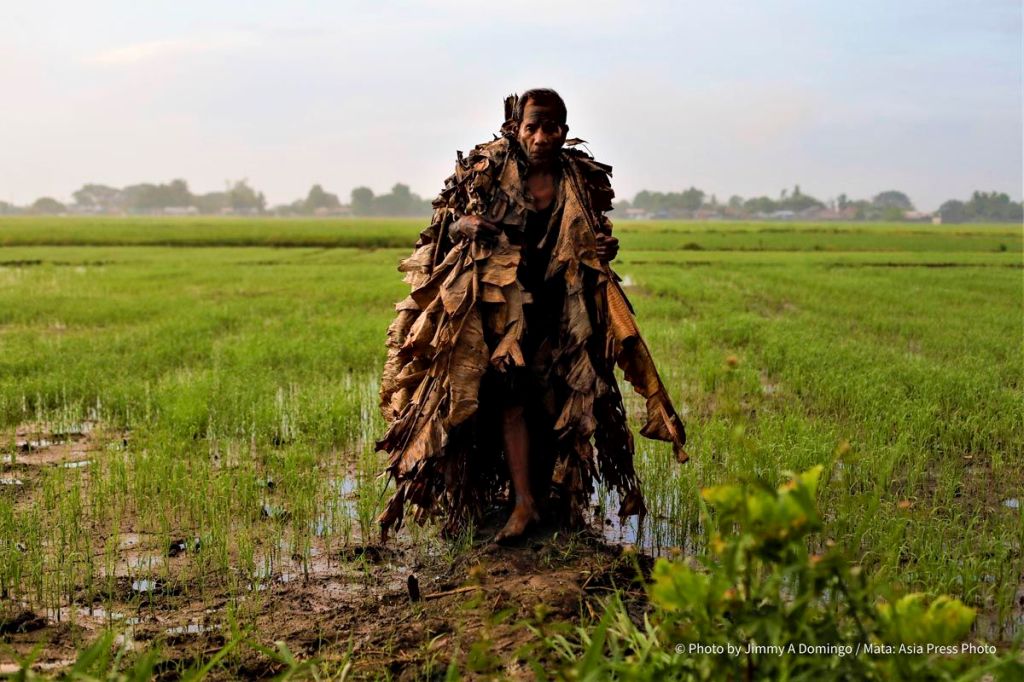
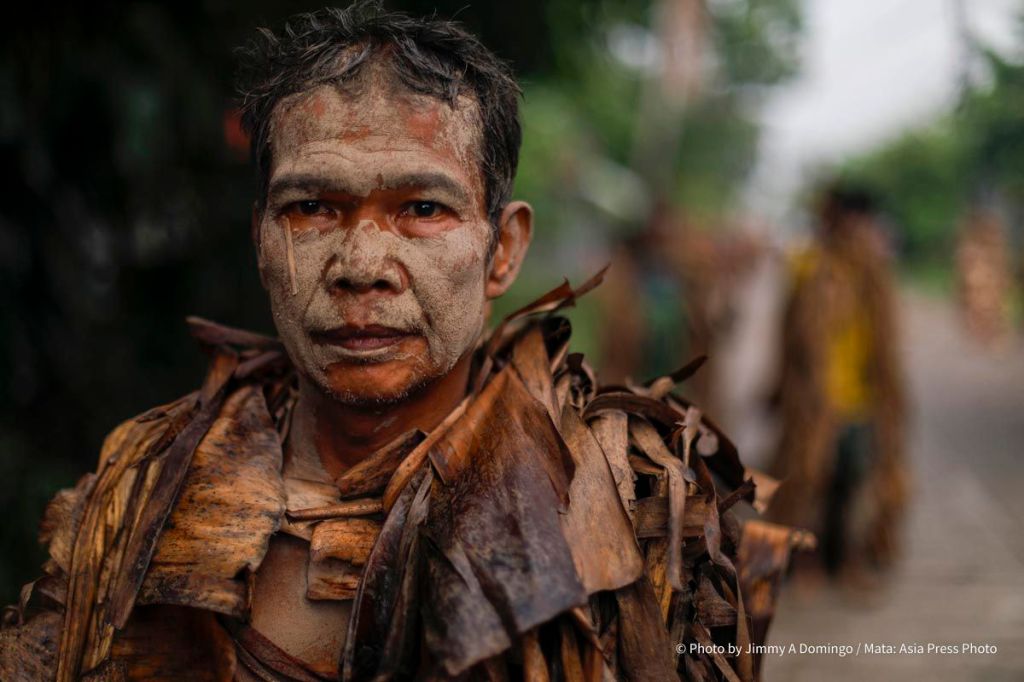


They wake up before sunrise, smear their bodies with mud from the surrounding rice fields and wear dried banana leaves and other vines to symbolize humility and connection to nature. And then they walk barefoot in a solemn procession toward the Catholic church.
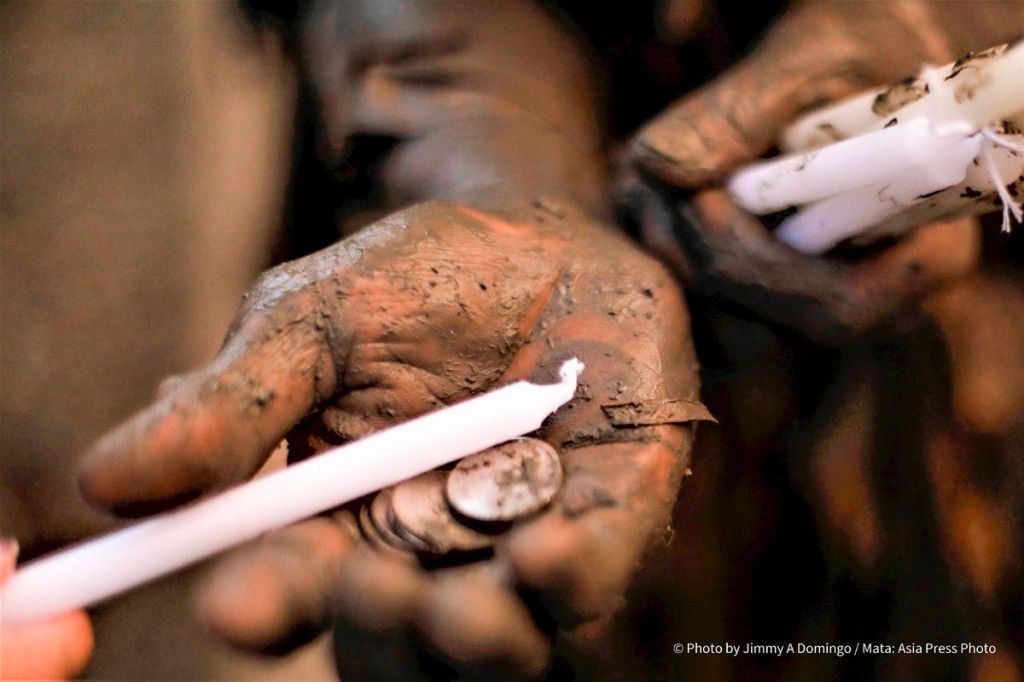
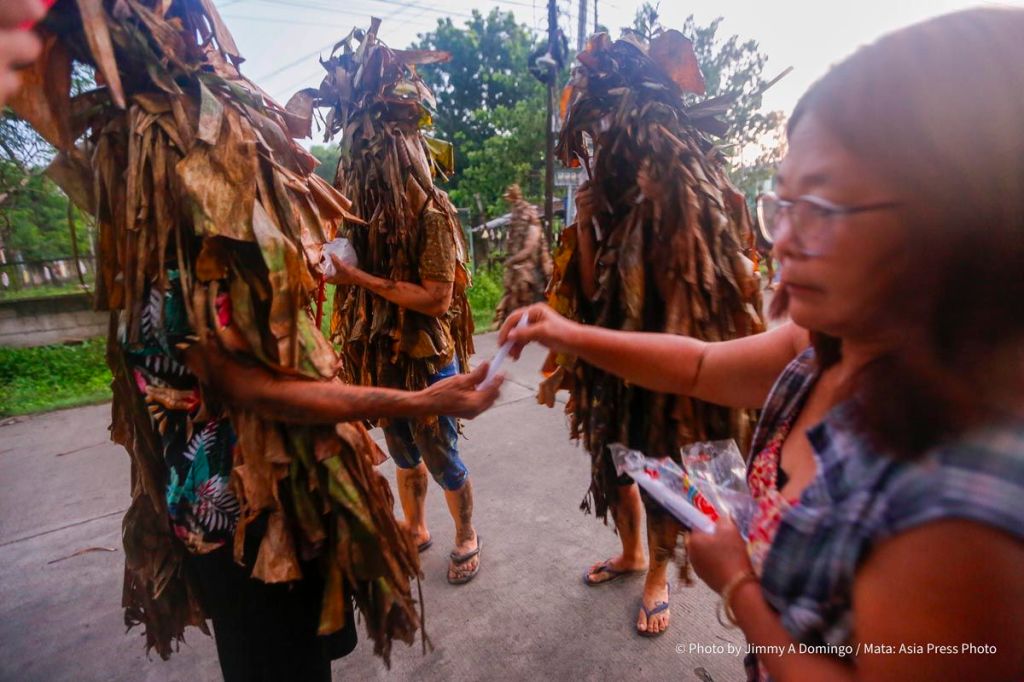
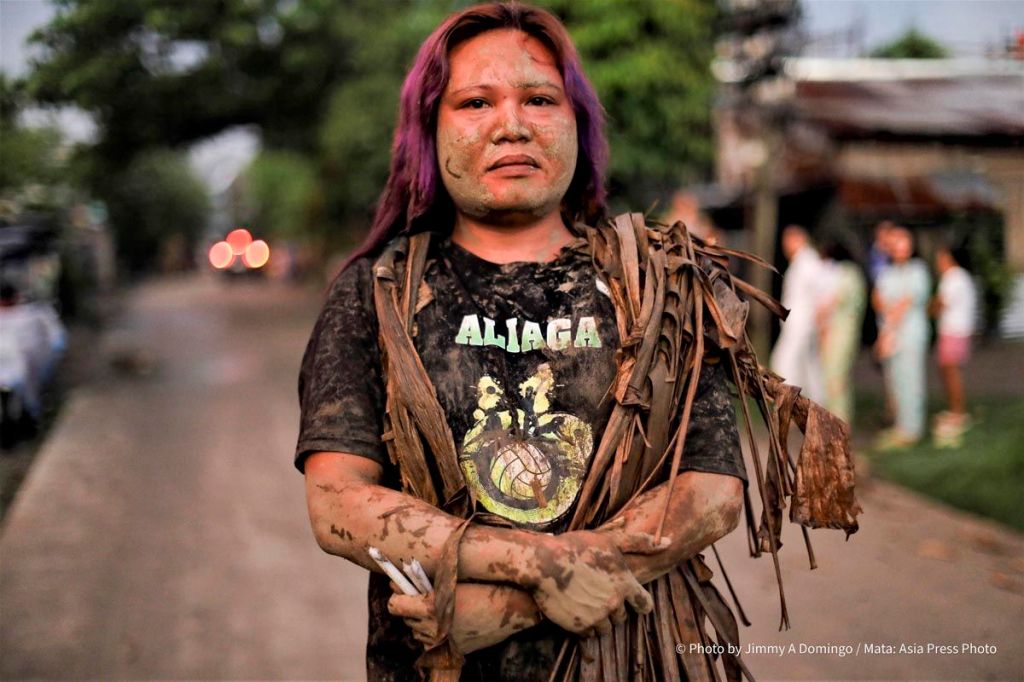
Along the way, the devotees collect candles and coins from households that they would offer before the image of the Saint in the diocesan shrine and parish during a mass. They seek blessings, miracles or healing.
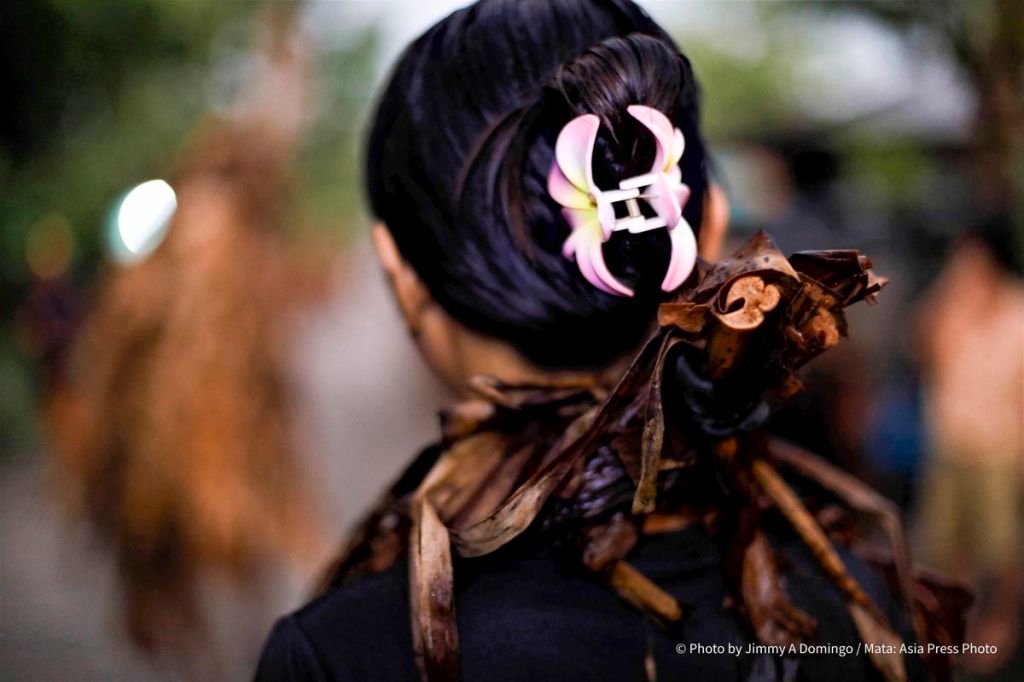


The ritual with a mystical ambience was supposed to have started during the Spanish colonial period but became more popular during the Second World War when Japanese soldiers occupied the town.
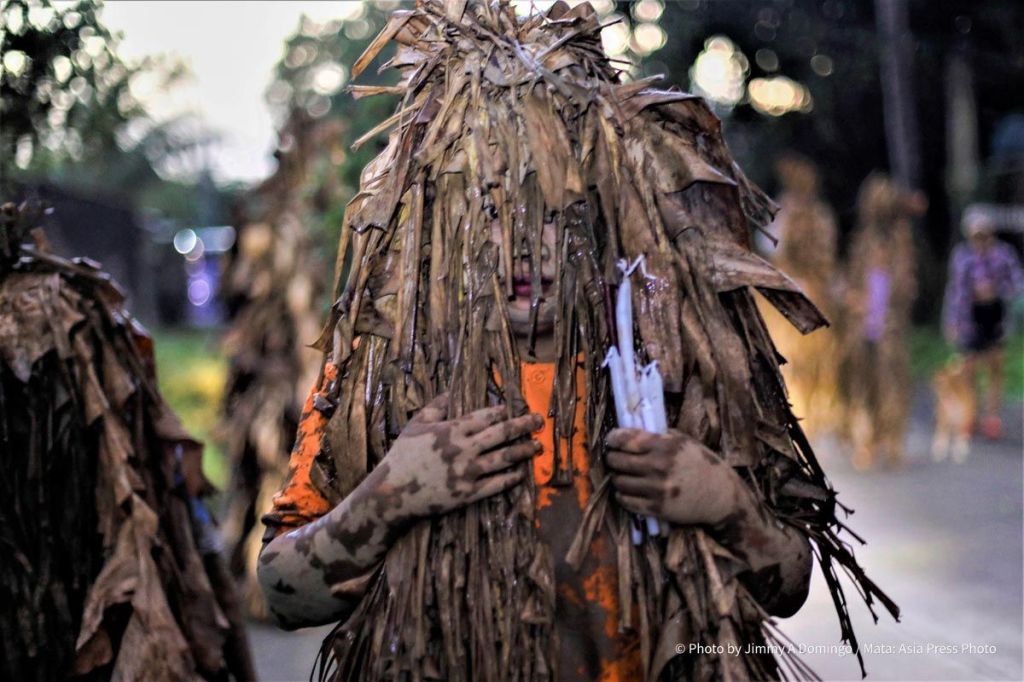
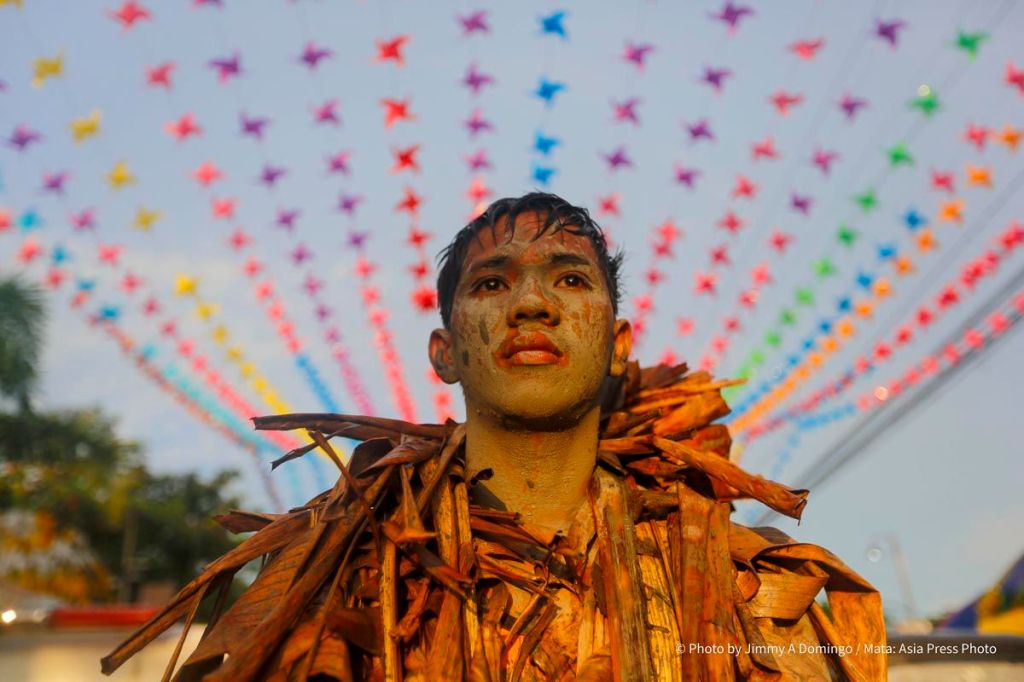


Historical accounts say a sudden downpour averted the execution of some villagers by Japanese soldiers in 1944 and that was interpreted as a “miracle” which started the tradition of celebration on muddy fields.
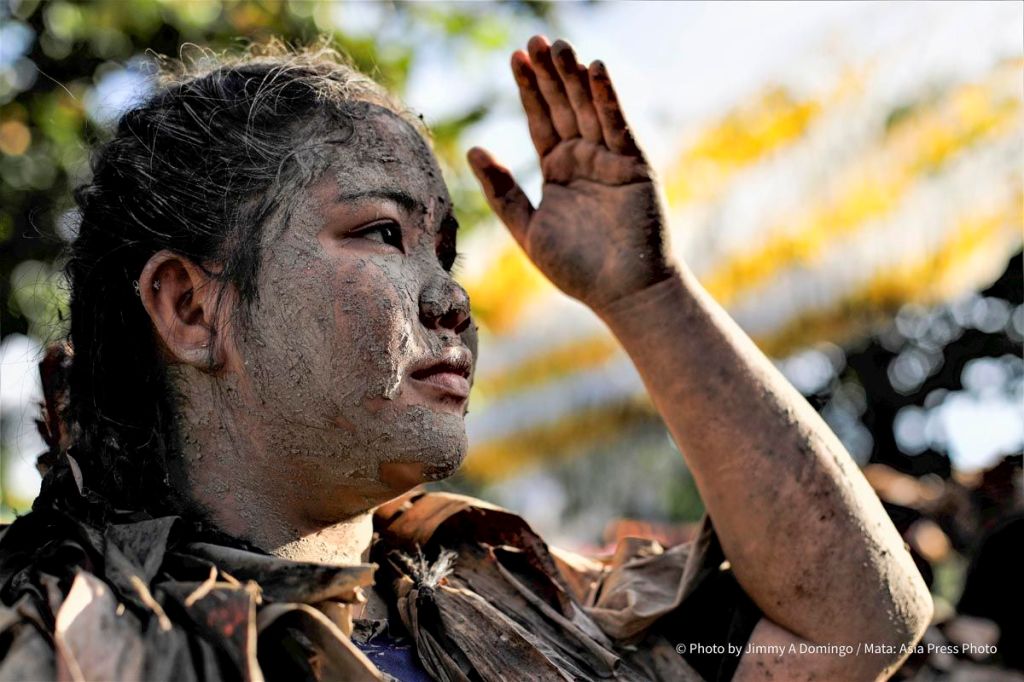

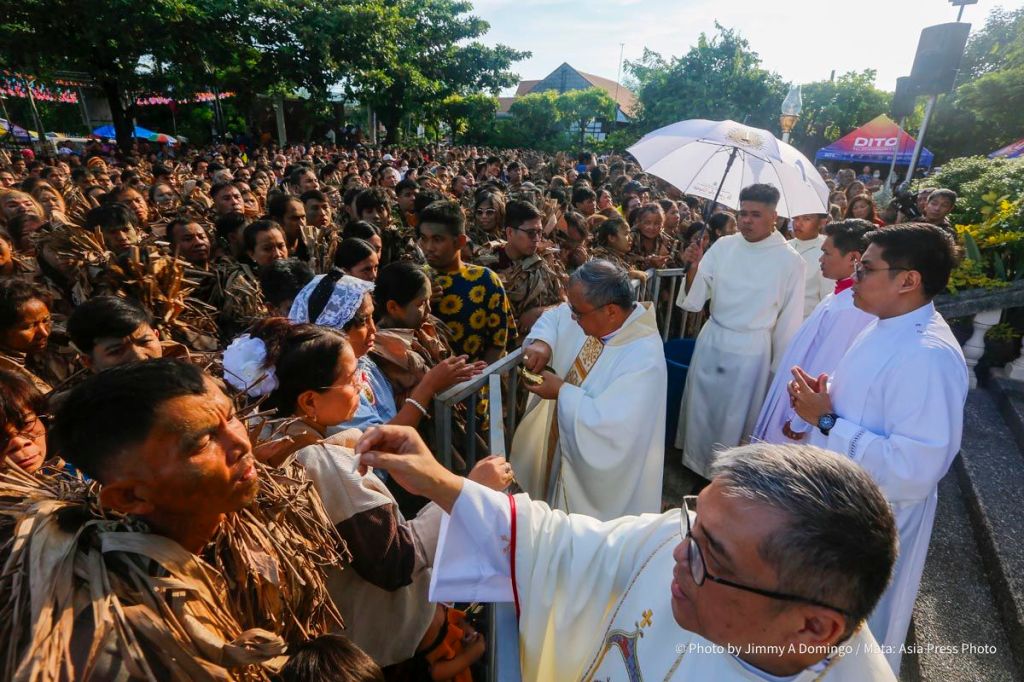

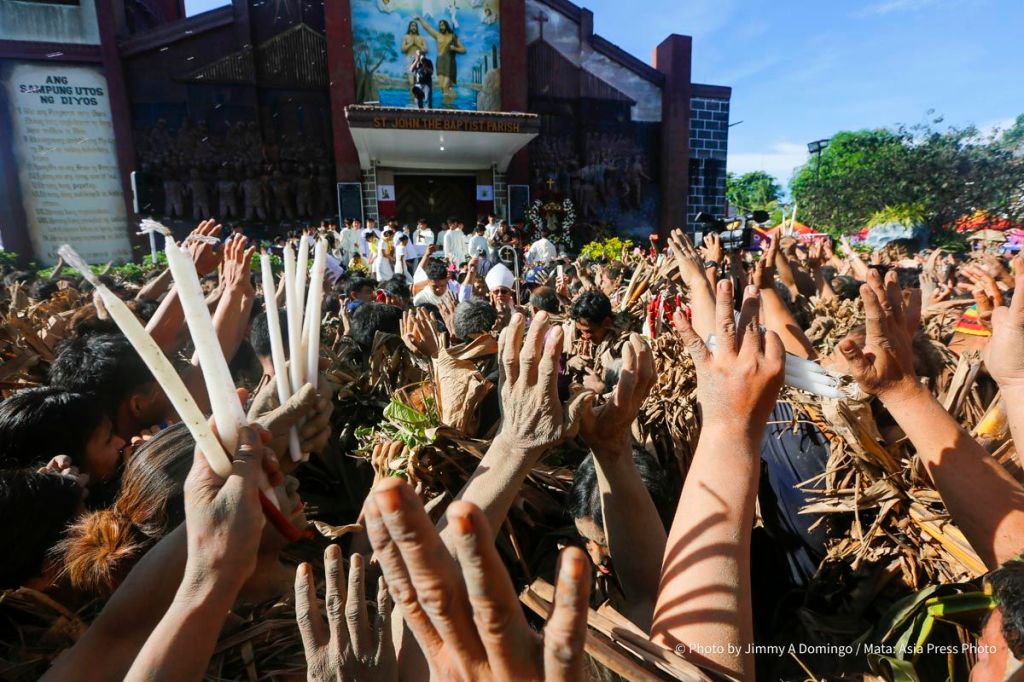

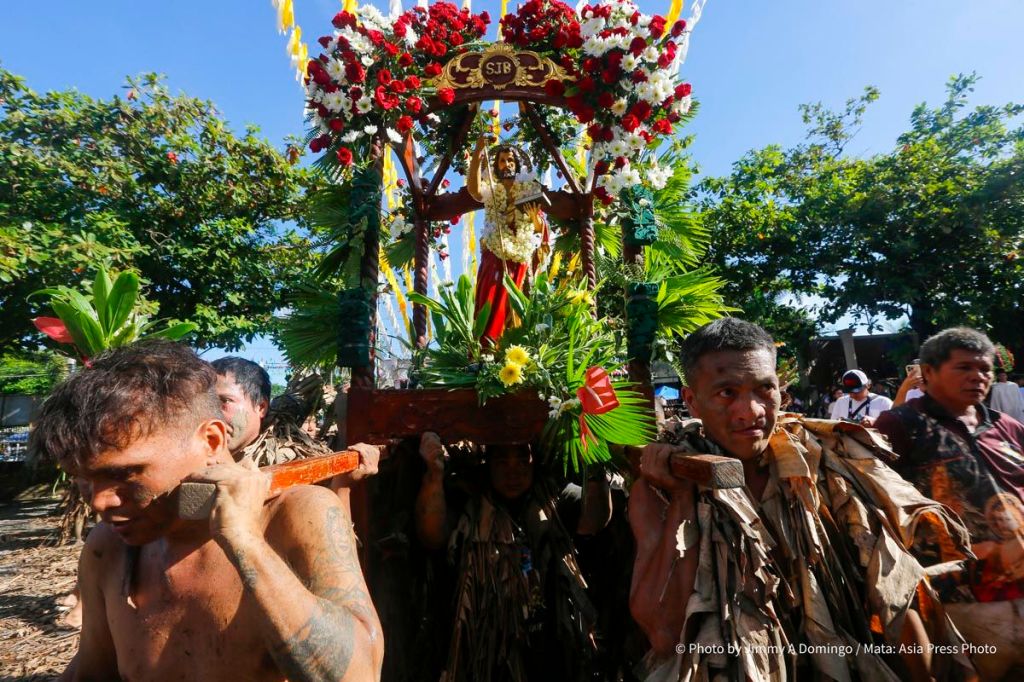
This year 2025 marks the 47th iteration of the festival that was stopped for two years during the Covid-19 pandemic. The Philippines is the only predominantly Catholic country in Asia.(Text and photos by Jimmy A Domingo)
 Mata: Asia Press Photo
Leave a comment