

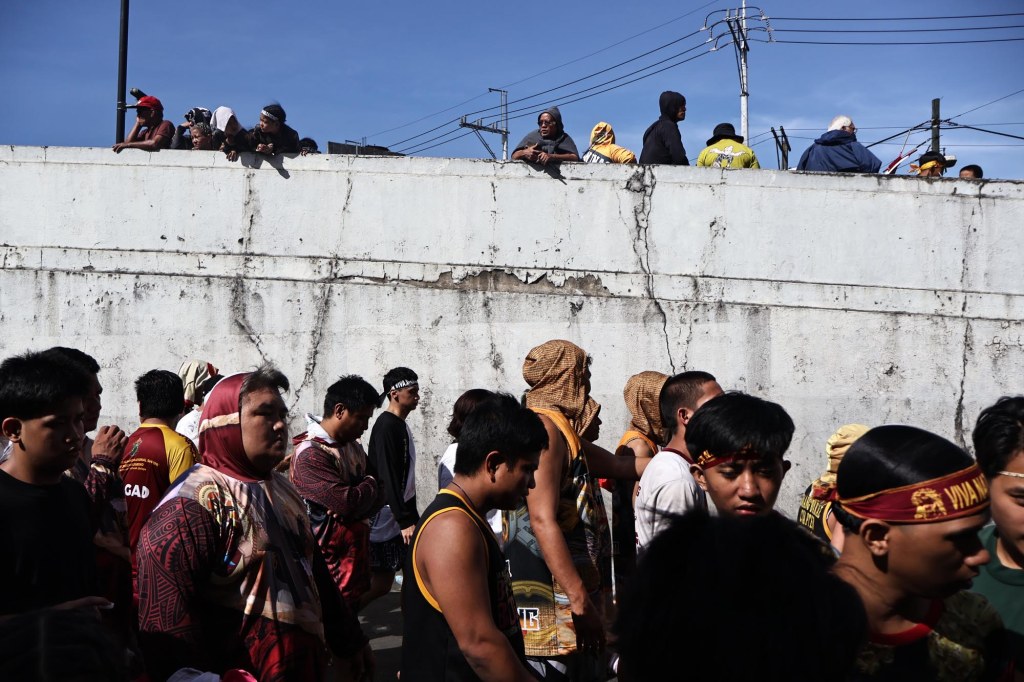
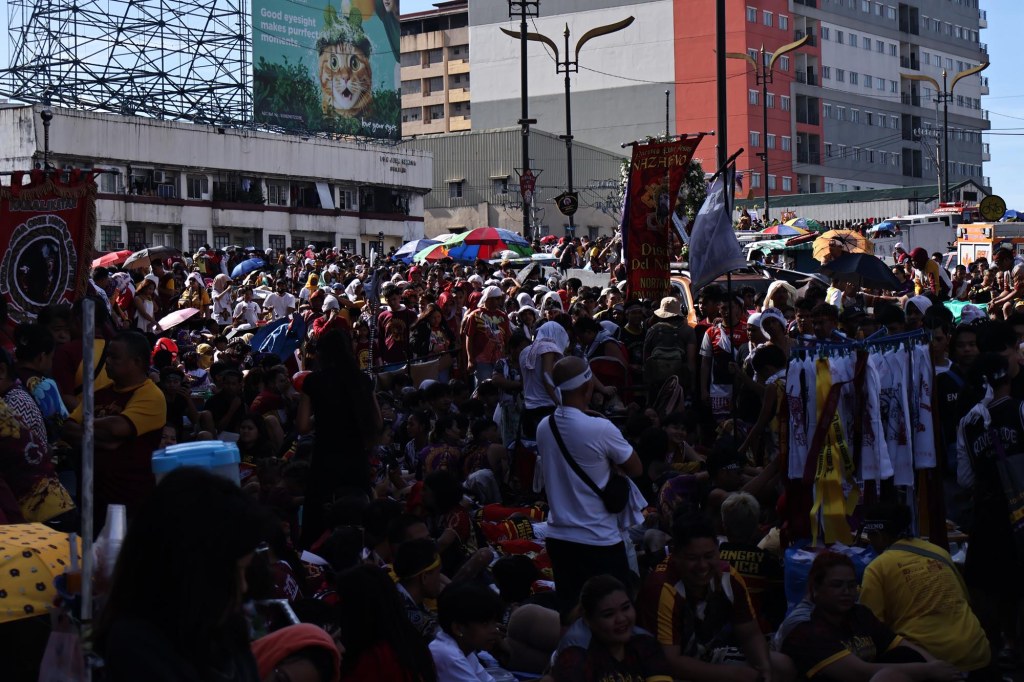
Sea of Catholic devotees crowd the streets of Manila at the annual Feast of the Black Nazarene, January 9, 2026, drawing pilgrims from around the metro and nearby provinces. A massive procession is held as the andas is transferred from the Quirino Grandstand, as its starting point and ceremonial spot for devotion, to its enshrinement at the Quiapo Church.
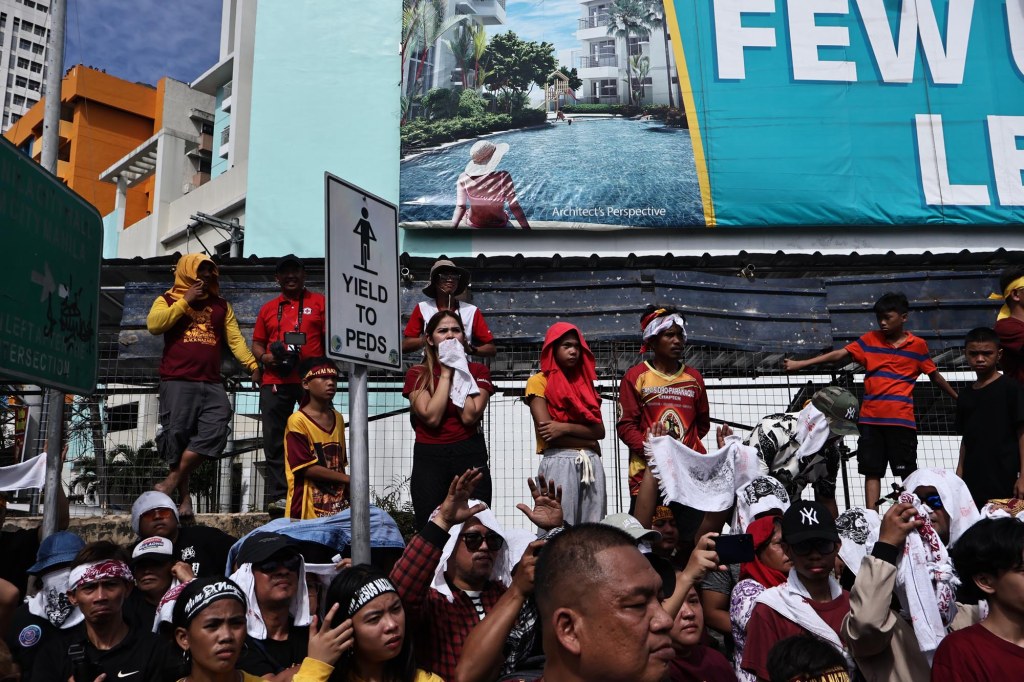

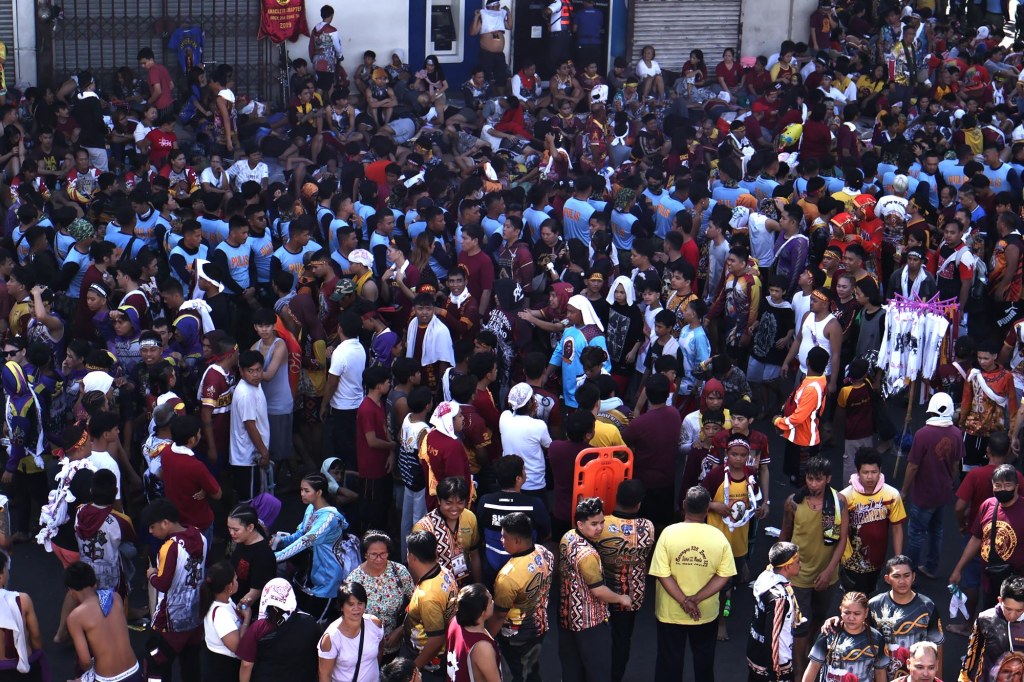

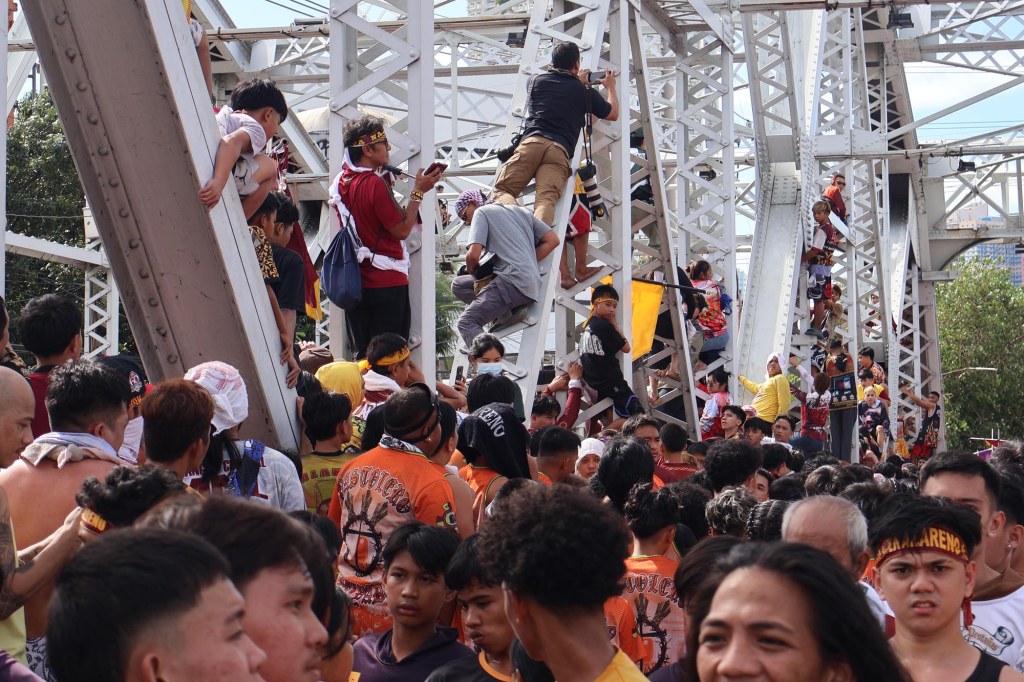
The Traslación of the Black Nazarene is an annual reenactment symbolizing Christ’s suffering to Calvary, originated from the 1787 solemn transfer of the replica image from Intramuros (specifically the Church of San Nicolas de Tolentino) to its permanent shrine at the Quiapo Church in Manila.
Key Origins & History:
Arrival in the Philippines (1606): Augustinian Recollects brought the original dark wooden image from Mexico.
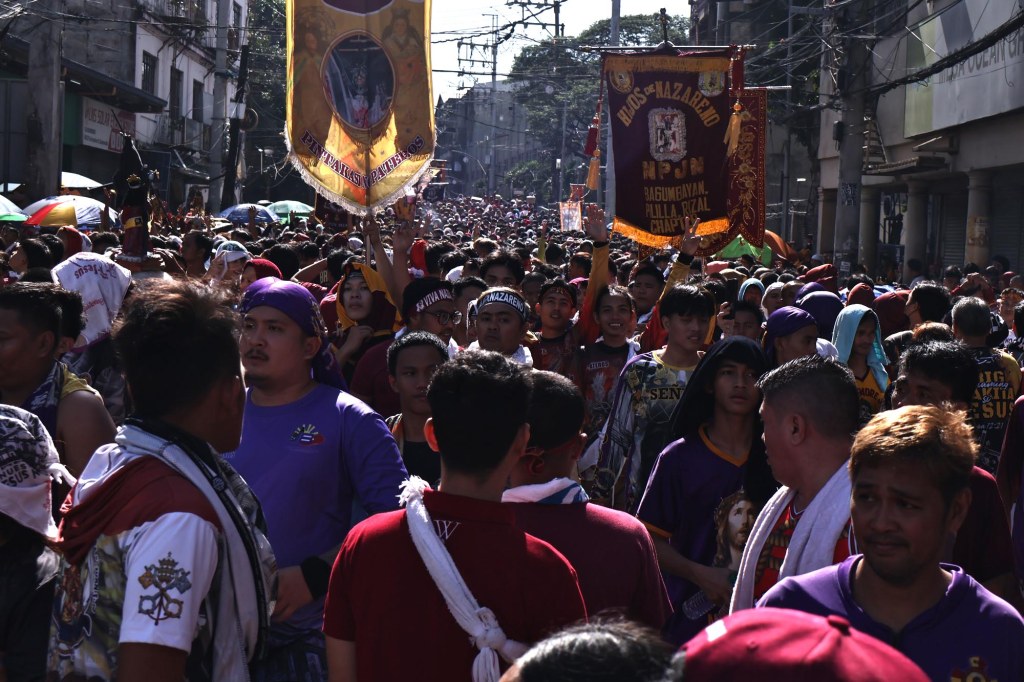
Initial Enshrinement: It was first housed in the Church of San Juan Bautista in Bagumbayan (now Luneta).
Move to Intramuros: Later, it was transferred to a larger church in Intramuros.
The 1787 “Transfer”: The pivotal event commemorated by the Traslación was the move of the replica image from Intramuros to Quiapo Church.
The Name: Traslación is Spanish for “transfer,” signifying this journey.
The Procession: The annual January 9th procession recreates this first journey, with devotees walking barefoot alongside the image, mirroring Jesus’s painful walk to Calvary.
Symbolism & Significance:
Sacrifice: Devotees believe participating in the arduous procession, often lasting hours, is an act of penance, sacrifice, and devotion, akin to Christ’s Passion.



Miracles: Many attribute healing and answered prayers to the Black Nazarene, with devotees wiping cloths on the image hoping for blessings.

Cultural Phenomenon: The Traslación has become one of the world’s largest religious gatherings, uniting millions in a powerful display of faith, perseverance, and Filipino Catholic identity.
(Photos: Elmer Valenzuela)
 Mata: Asia Press Photo
Leave a comment