
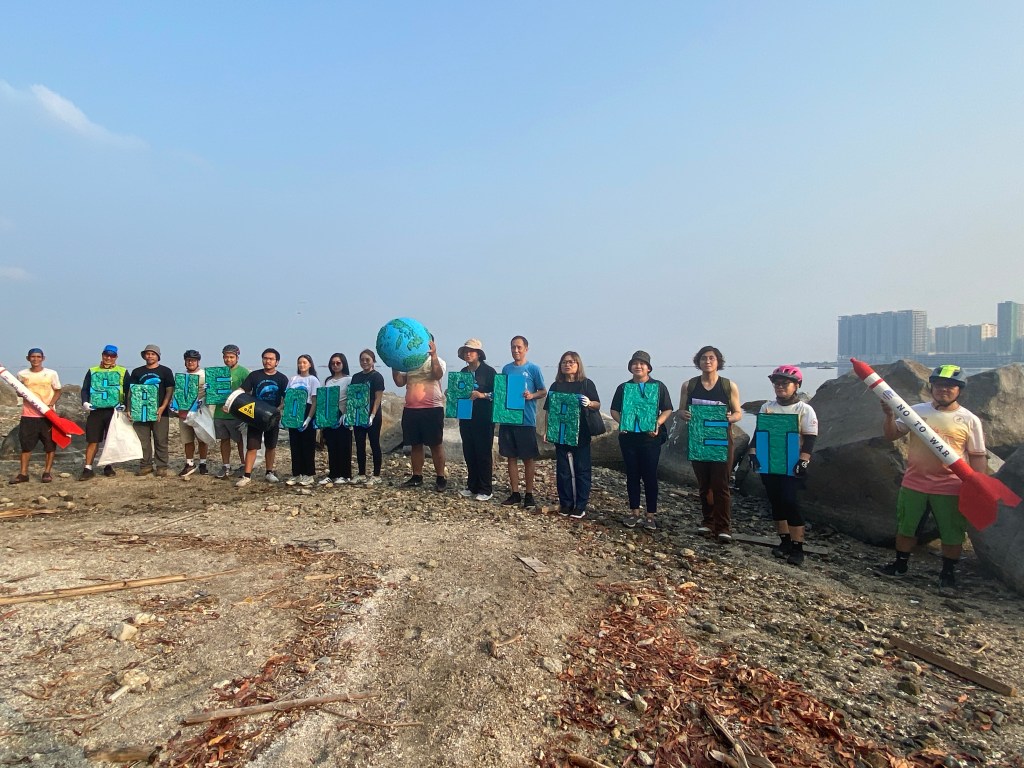
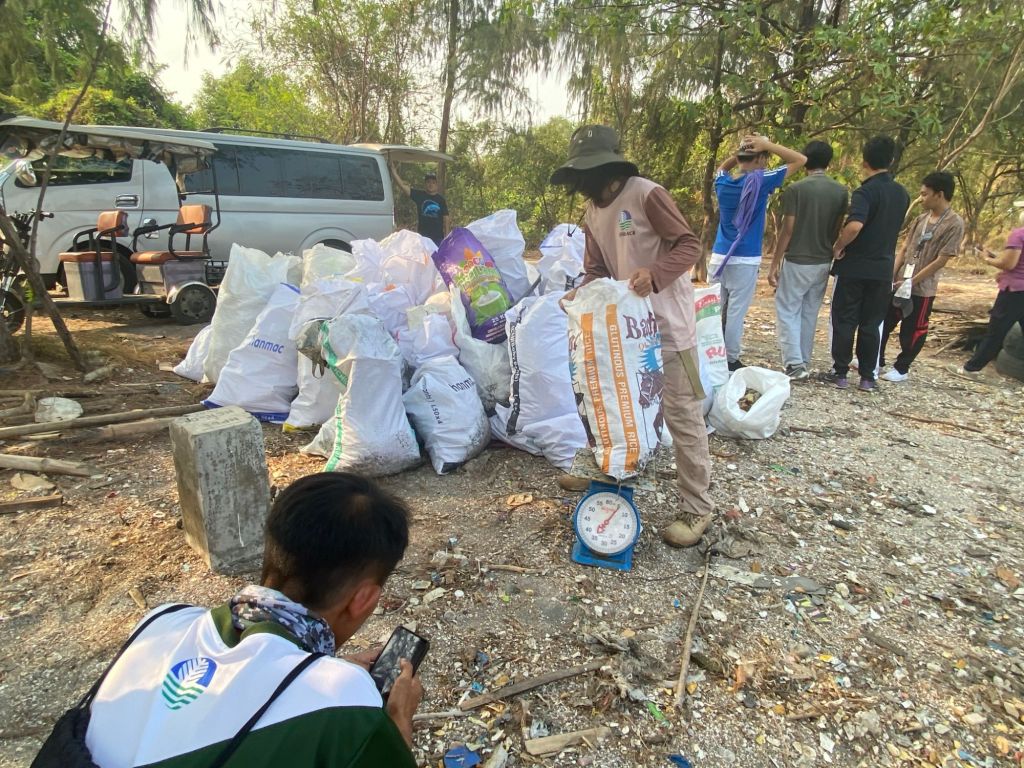
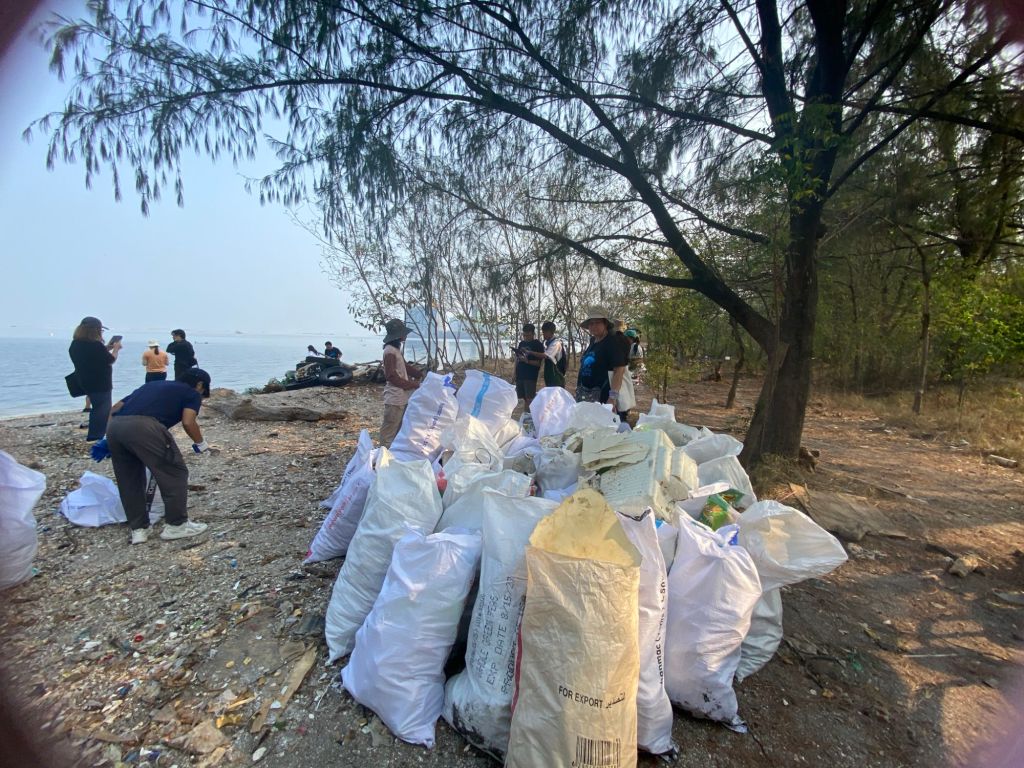
Volunteers called attention to the twin crises of fossil fuel dependence and plastic pollution during a pre-Earth Day coastal clean-up organized by Earth Island Institute Asia Pacific (EII-AP) at the Las Piñas–Parañaque Wetland Park (LPPWP), Philippines on April 19, 2026.
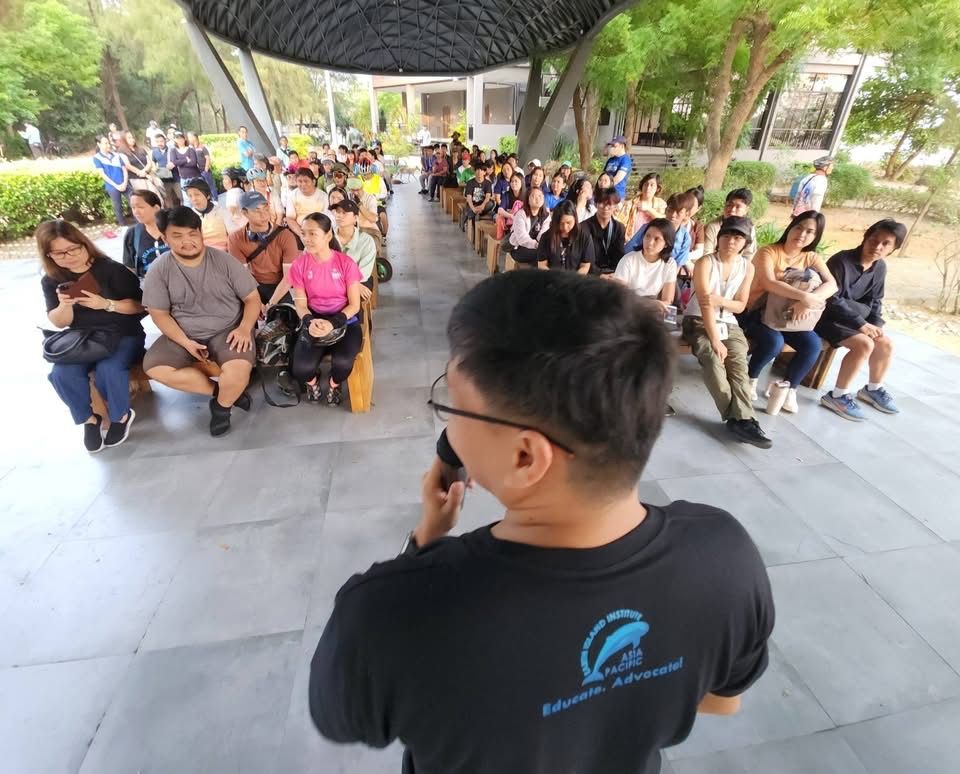
Some participants biked to the site with the Firefly Brigade, demonstrating sustainable, low-carbon alternatives to fossil fuel-based transportation.


Environmental advocates stressed that global conflicts, such as tensions in the Middle East, expose the vulnerability of economies dependent on fossil fuels. Supply disruptions drive up prices worldwide, often allowing energy companies to profit while communities bear the costs. The pattern underscores the need to accelerate the transition to renewable energy systems that are more stable and resilient.

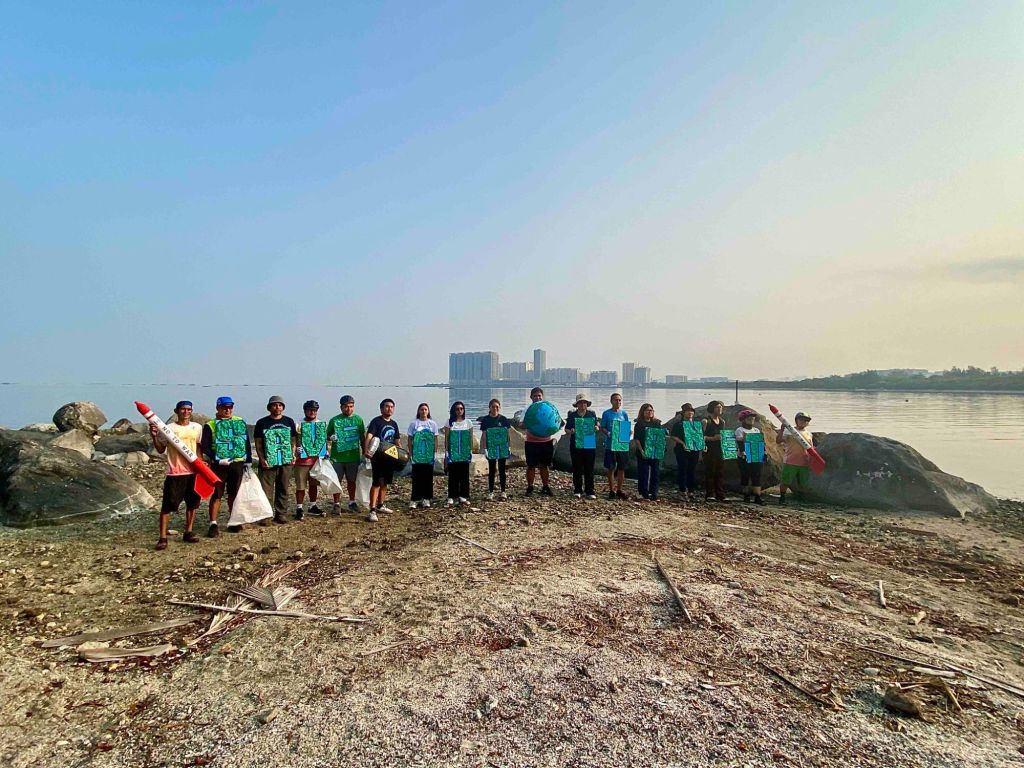
“Fossil fuels are not only driving climate change—they are also connected to many of the environmental pressures affecting coastal ecosystems today,” said Trixie Concepcion, Regional Director of EII-AP. “Every typhoon, flood, or heatwave is intensified by carbon emissions from oil, coal, and gas. At the same time, plastics made from these same fossil fuels are choking our coastlines and harming marine life.”
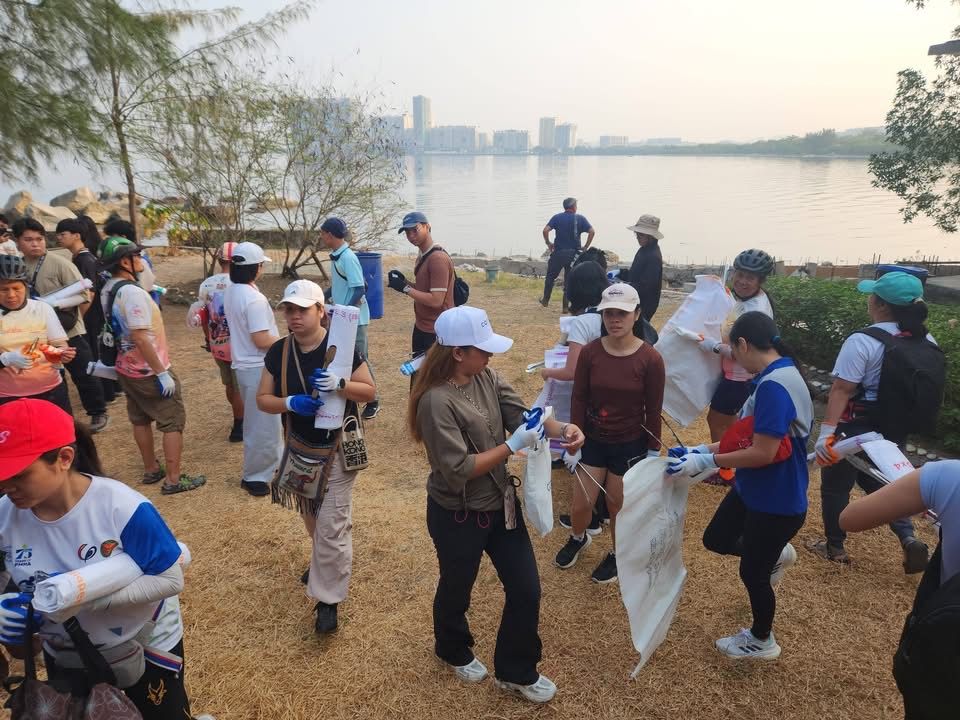
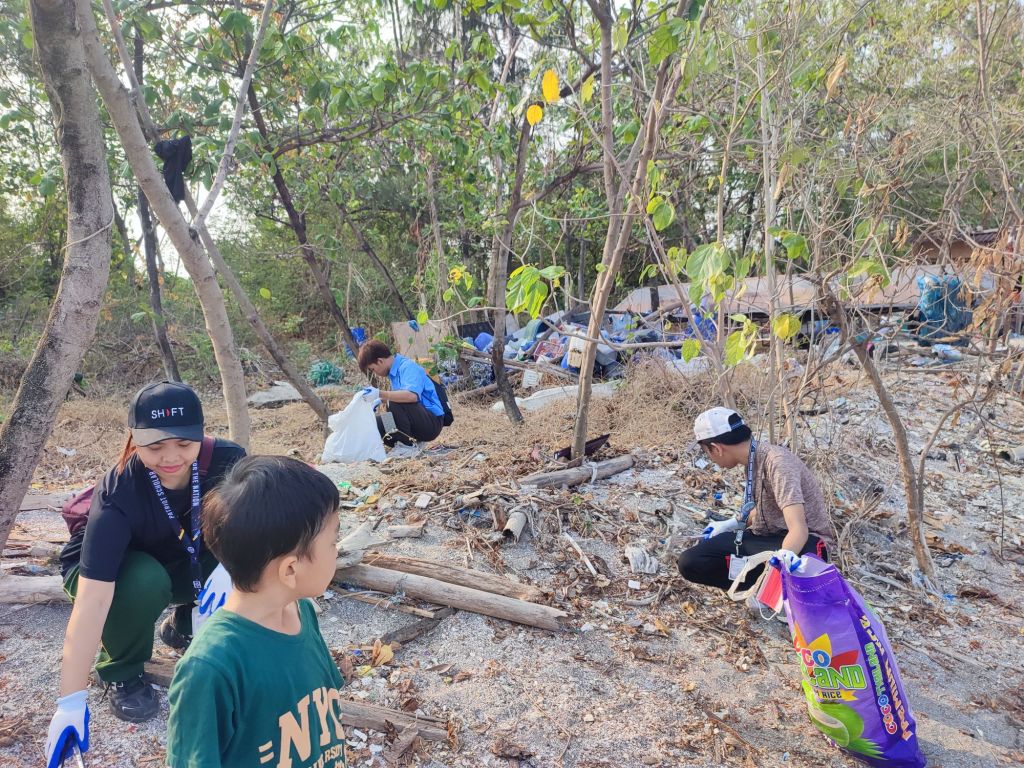
“Much of the waste collected consisted of single-use plastics commonly found along Philippine coastlines. Communities on the frontlines bear the heaviest burden,” Concepcion added. “The solution lies in shifting to people-centered renewable energy, reducing plastic production, and empowering communities to protect their environment before it’s too late.”
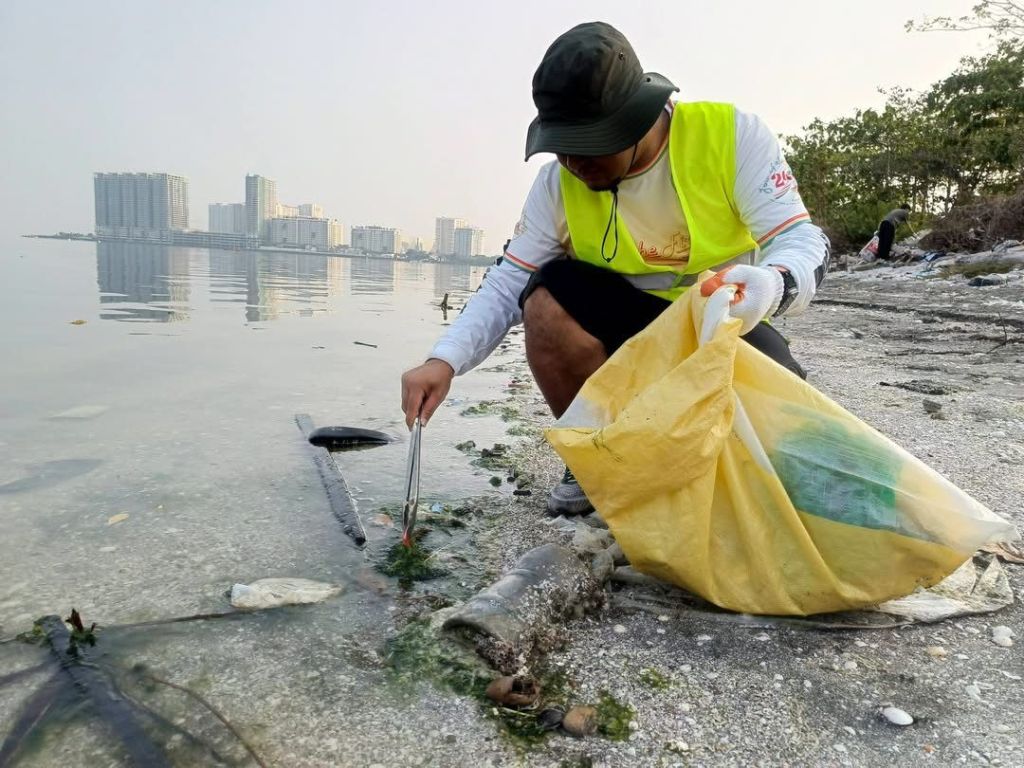
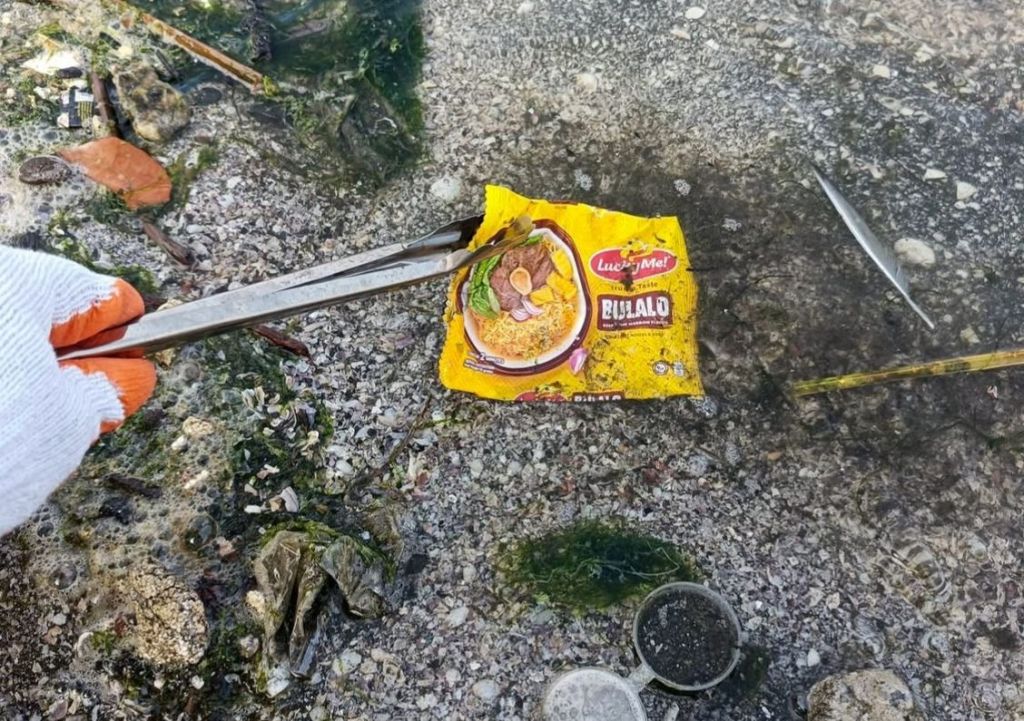
“Over reliance on petrochemicals have exposed our planet to deep harms. The fossil fuel dependent economies are the most impacted in the current crisis posing a threat to people’s survival. It is time we look to decentralised resilient systems like Zero Waste and micro-renewables. These are community-led, practical solutions that prioritize people and the environment over profit. Reuse, refill and repair solutions are homegrown, accessible, affordable and non-toxic unlike plastics. Governments must invest in scaling up these solutions to build a more resilient and sustainable economy.,” Arpita Bhagat, Plastic Policy Officer of GAIA Asia Pacific said.
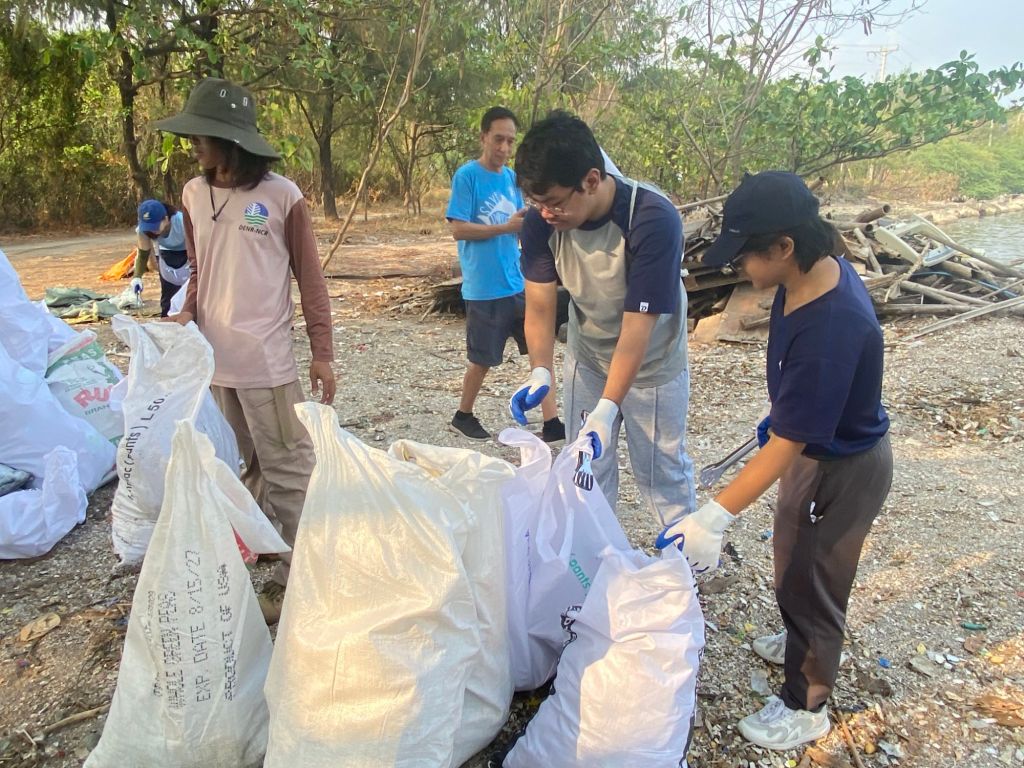
Environmental groups have strongly opposed policies, programs and projects that put waste-to-energy (WTE) incineration as a solution to plastic waste in the ocean or clogging cities’ floodways. Plastic is 99 percent fossil fuel material. WTE incinerators rely on tonnes of plastic wastes as feedstock on a daily basis to generate energy. This waste management technology pushed in communities in Smokey Mountain, Cebu, Davao, Pampanga, Iloilo, Siargao and many other cities in Asia Pacific are barriers to the urgent need to shift away from fossil fuels.
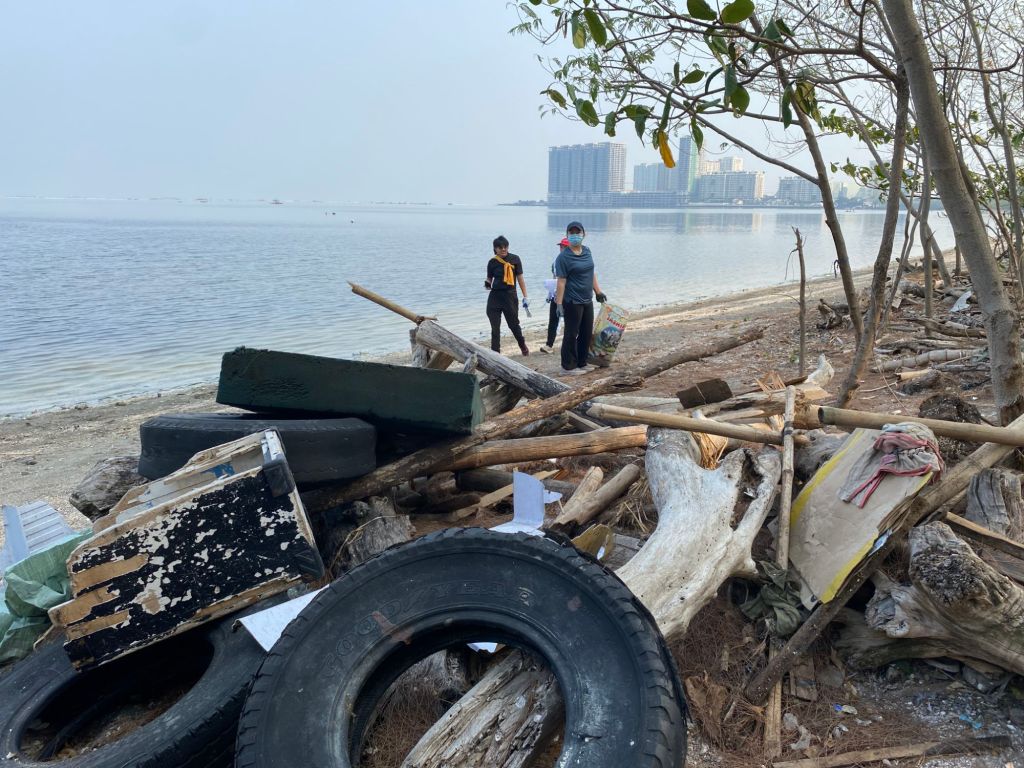
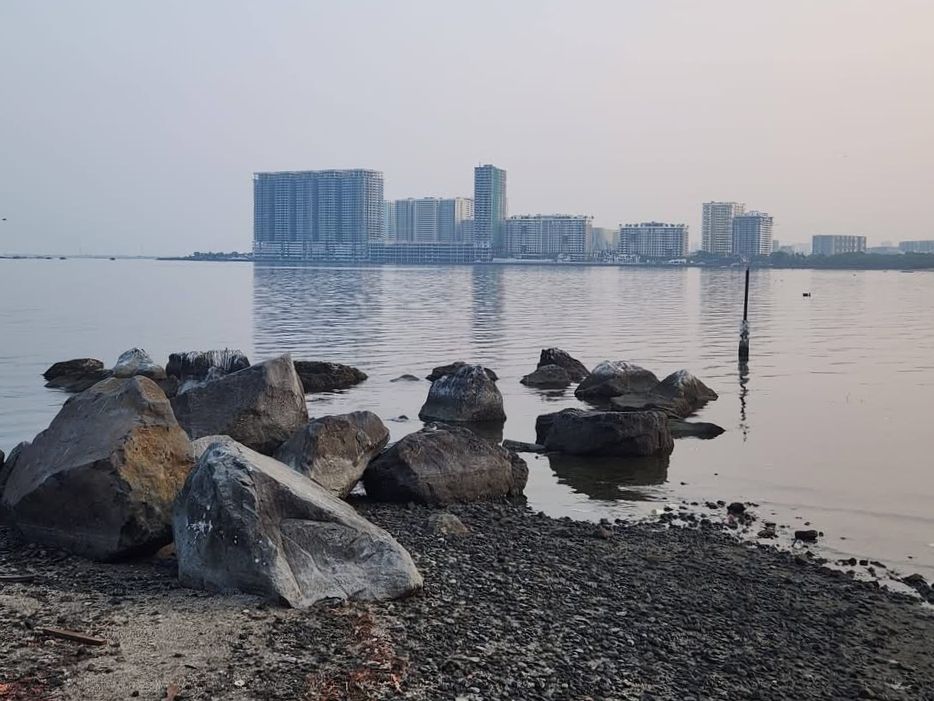
Climate change driven by fossil fuel emissions further stresses marine ecosystems, from ocean acidification to warming seas, intensifying storms, and accelerating coastal erosion. Mangroves, coral reefs, and wetlands—the natural barriers protecting communities—are increasingly under pressure.
“Cleaning our coastlines is more than removing trash,” Concepcion added. “It is about challenging the systems that create this pollution and empowering communities to demand solutions. Today’s clean-up reminds us that people have the power to shape a cleaner, more sustainable energy future.”
The clean-up is part of EII-AP’s Earth Day Enviskwela campaign under the global theme “Our Power, Our Planet,” demonstrating that protecting the environment starts with informed and empowered communities taking local action with global impact. /30
(Photos courtesy of Lito Ocampo and Earth Island Institute Asia Pacific)


Leave a Reply