
Text and photos by Jimmy A Domingo
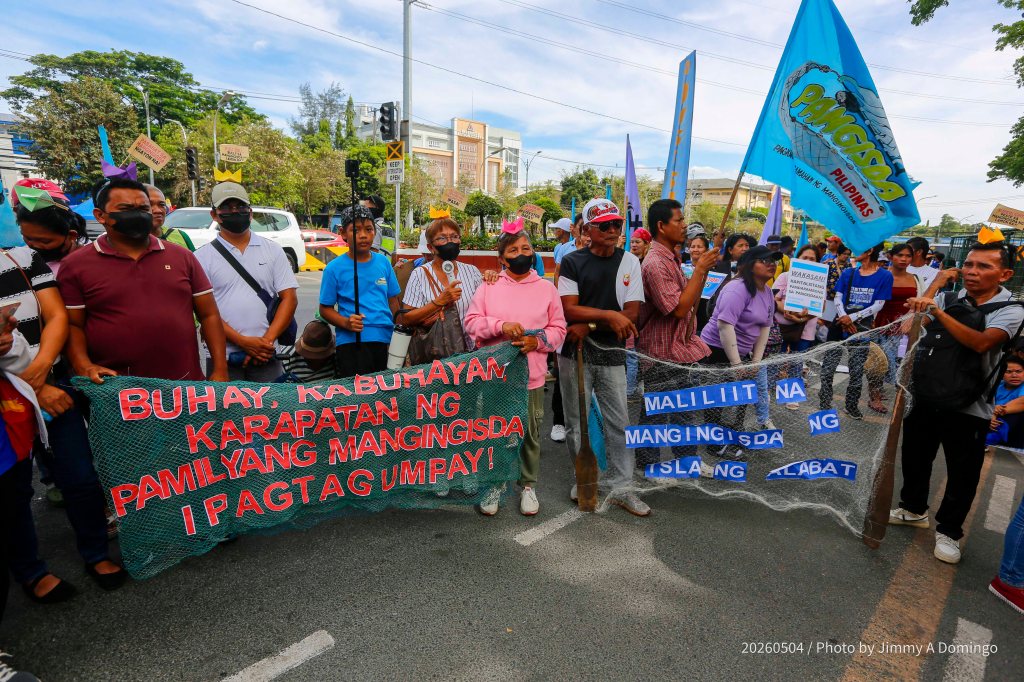
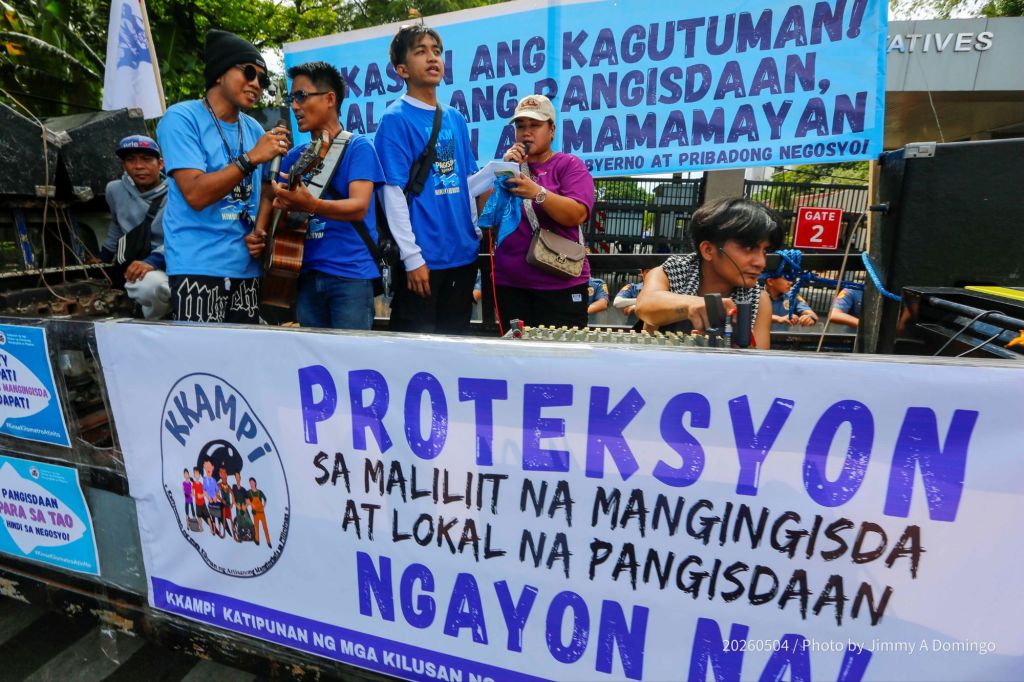
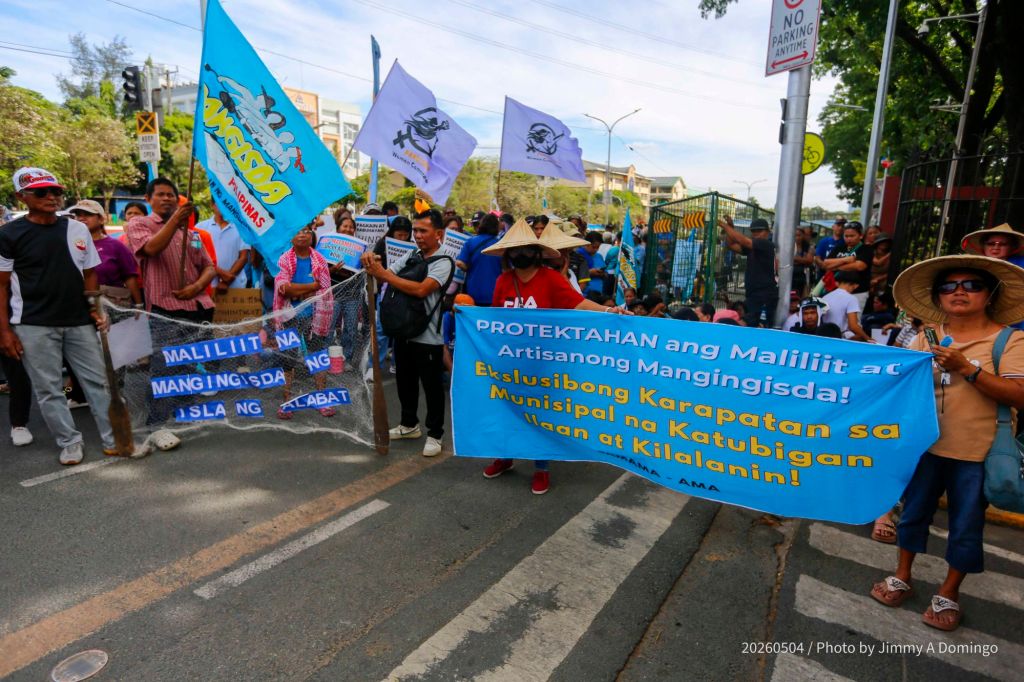
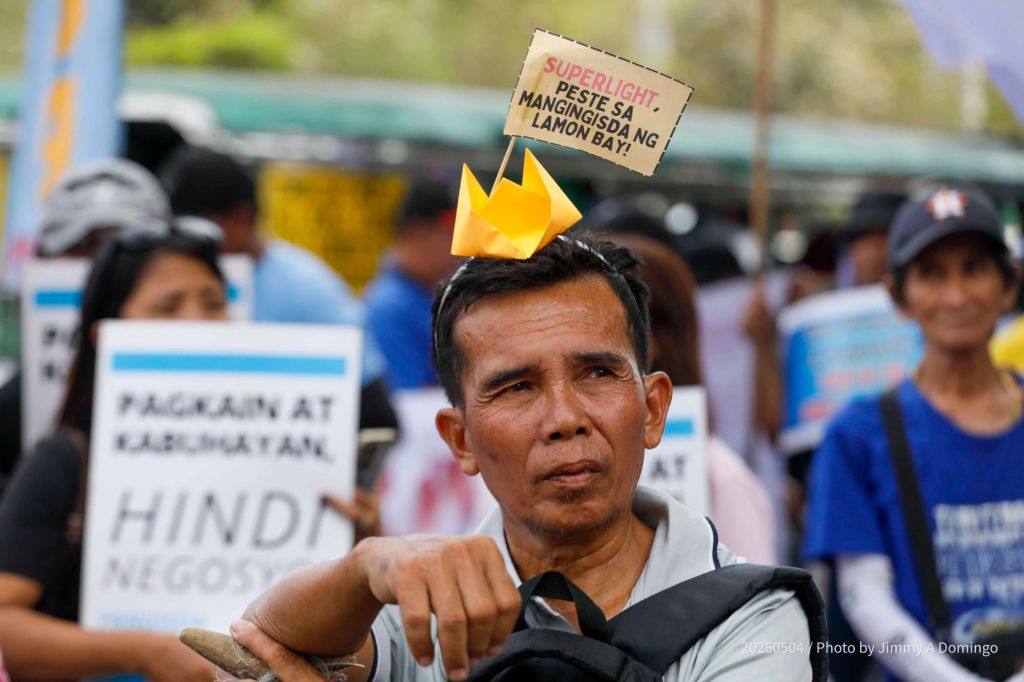
Fisherfolks and civil society advocates held a protest as they lobbied for filing of proposed fisheries bills at the House of Representatives in Batasan, Quezon City on Monday, May 4, 2026.
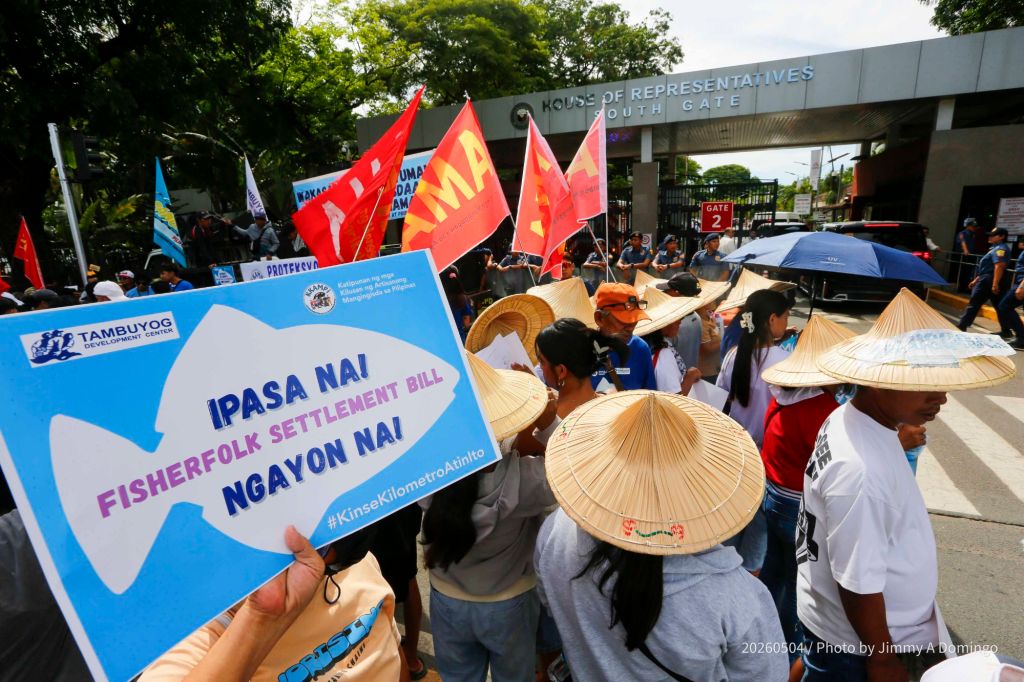
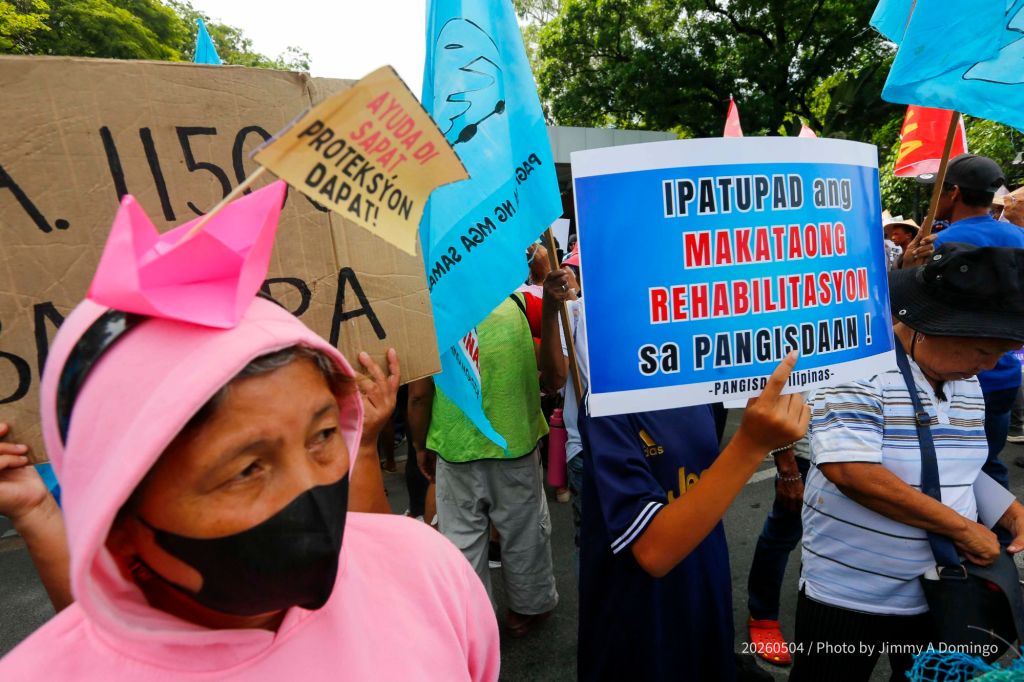
Members of the Katipunan ng mga Kilusang Artisanong Mangingisda sa Pilipinas (KKAMPi) from Navotas City and the provinces of Batangas, Cavite, Bulacan, Zambales, Quezon and Pangasinan, with the support of NGOs for Fisheries Reform (NFR) led by Tambuyog Development Center lobbied for filing of three fisheries bills that seek to strengthen the rights, welfare, and protection of municipal and artisanal fishers.
KKAMPi Chairperson Ka “Dodoy” Roberto Ballon said the proposed bills are demands for justice, not charity.
“Hindi limos ang hinihingi ng maliliit na mangingisda. Ang hinihingi namin ay karapatan, proteksyon, at katarungan. Kung ang dagat ang bumubuhay sa bayan, dapat ang unang pinangangalagaan ay ang mangingisdang nagtataguyod nito.”
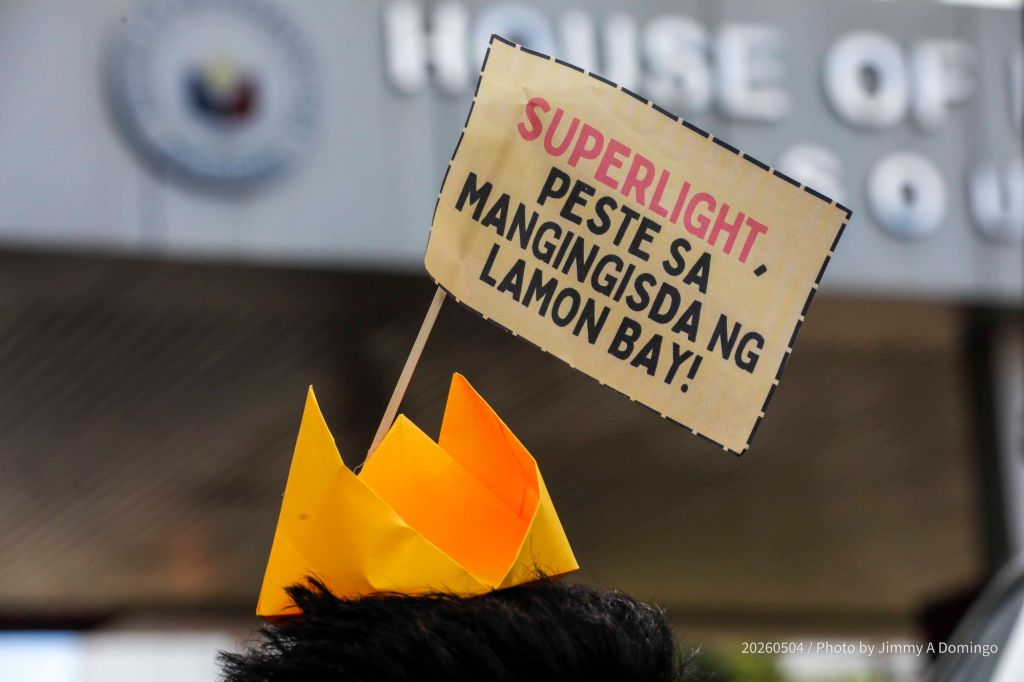
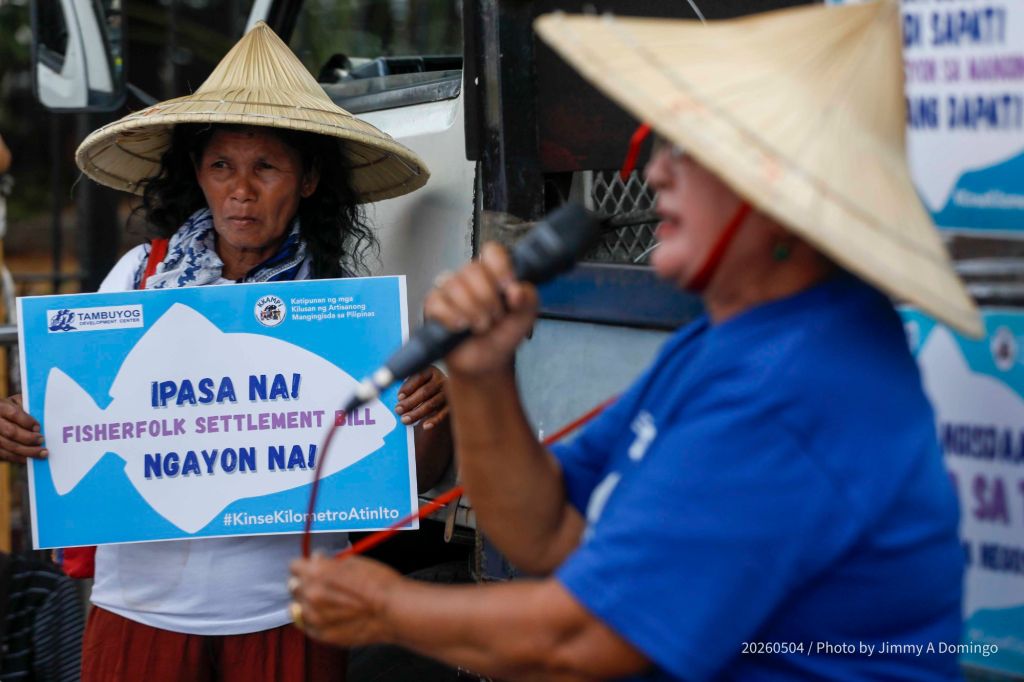
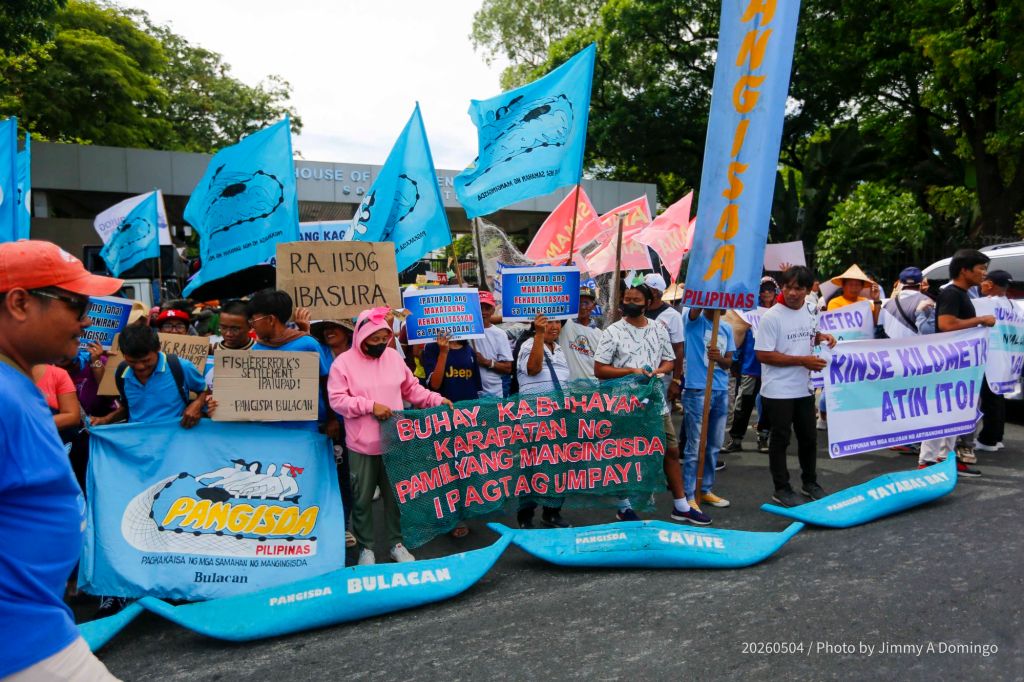
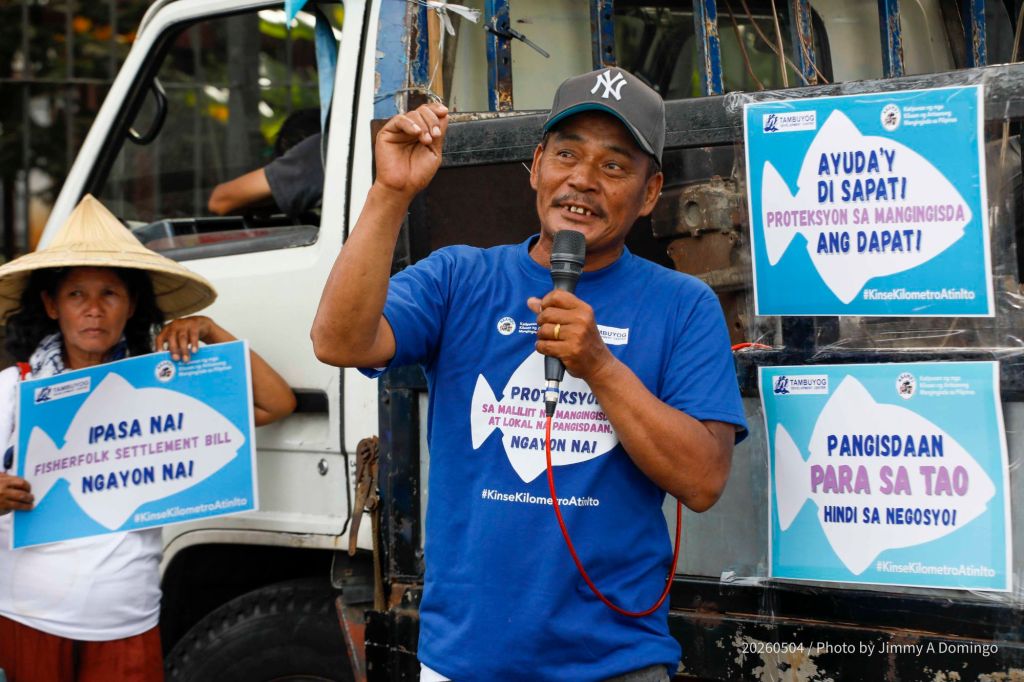
KKAMPi said the proposed bills respond to the continuing poverty, insecurity, displacement, and livelihood threats faced by small and artisanal fisherfolk communities.
These include the lack of secure tenure in coastal settlements, commercial fishing encroachment in municipal waters, displacement from reclamation and private development projects, climate-related disasters, and the impacts of rising fuel prices on fishing livelihoods.
At the center of the lobby is the proposed “Bida ang Mangingisdang Artisano sa Kinse Kilometro” Bill.
The proposed bill seeks to establish stronger protection for small and artisanal fishers, uphold fishermen’s preferential rights within the 15-kilometer municipal waters, and provide a national framework for fisherfolk settlement areas, security of tenure, protection against arbitrary displacement, climate-resilient coastal housing, and sustainable livelihoods.
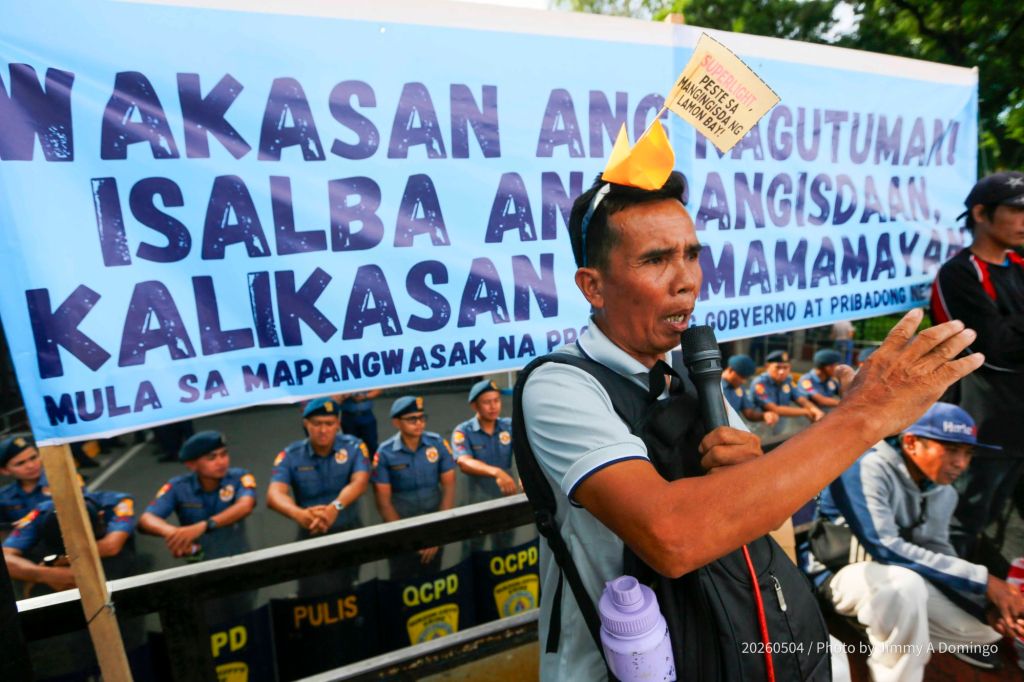
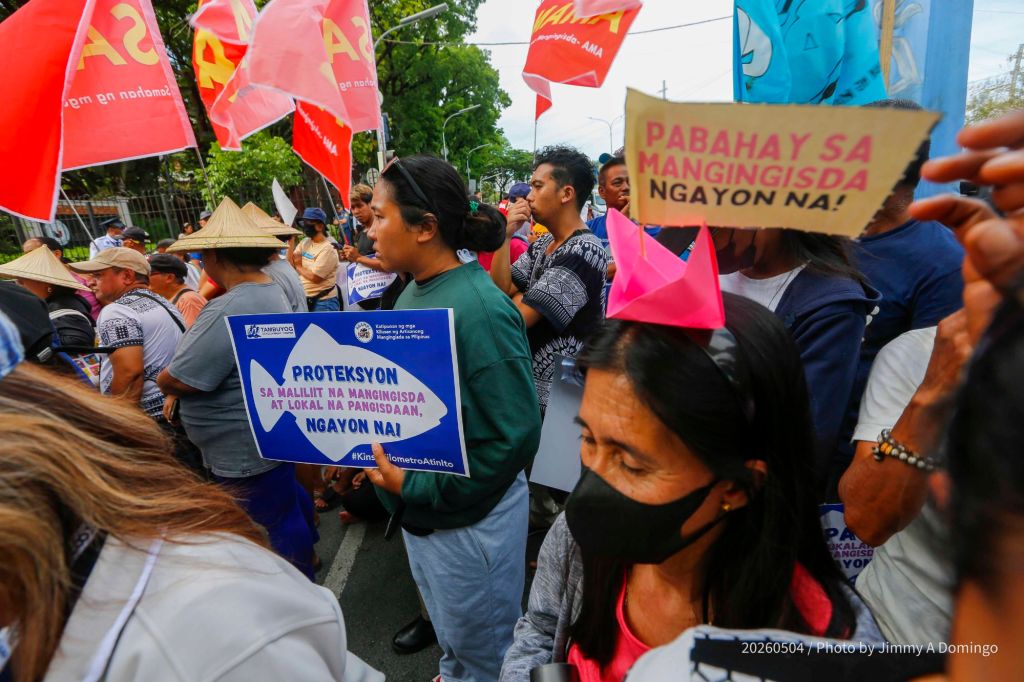
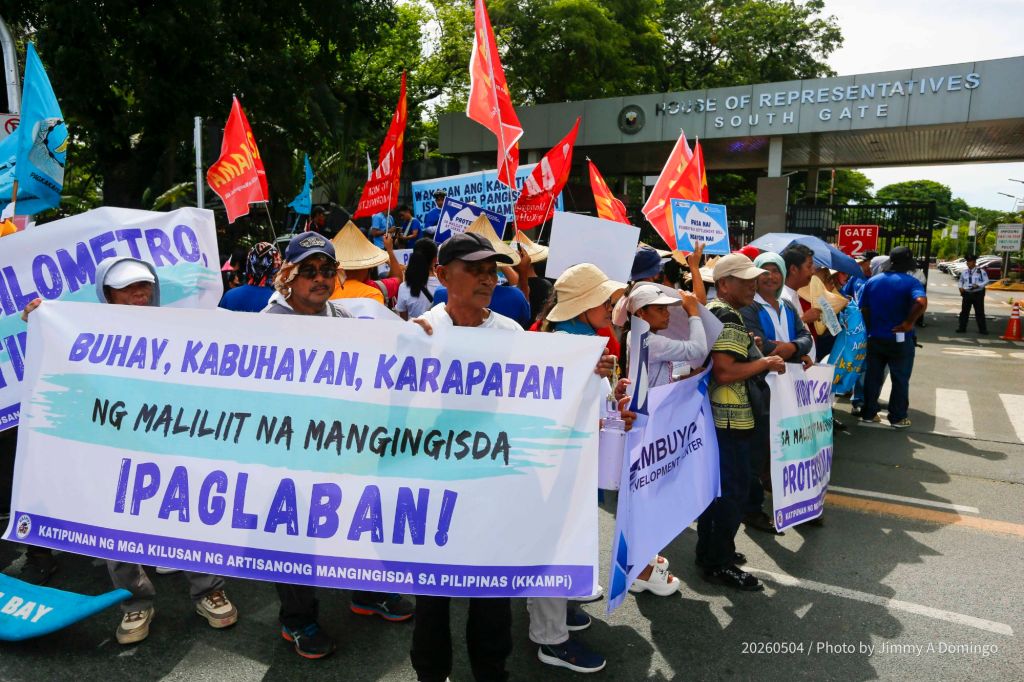
The proposed bills also give strong recognition to women in fisheries, whose work remains largely invisible despite their central role in fishing households and local fisheries economies. Women mend nets, prepare fishing gears, process and dry fish, sell catch, manage household economies, engage in gleaning, seaweed farming, organizing, and coastal resource protection.
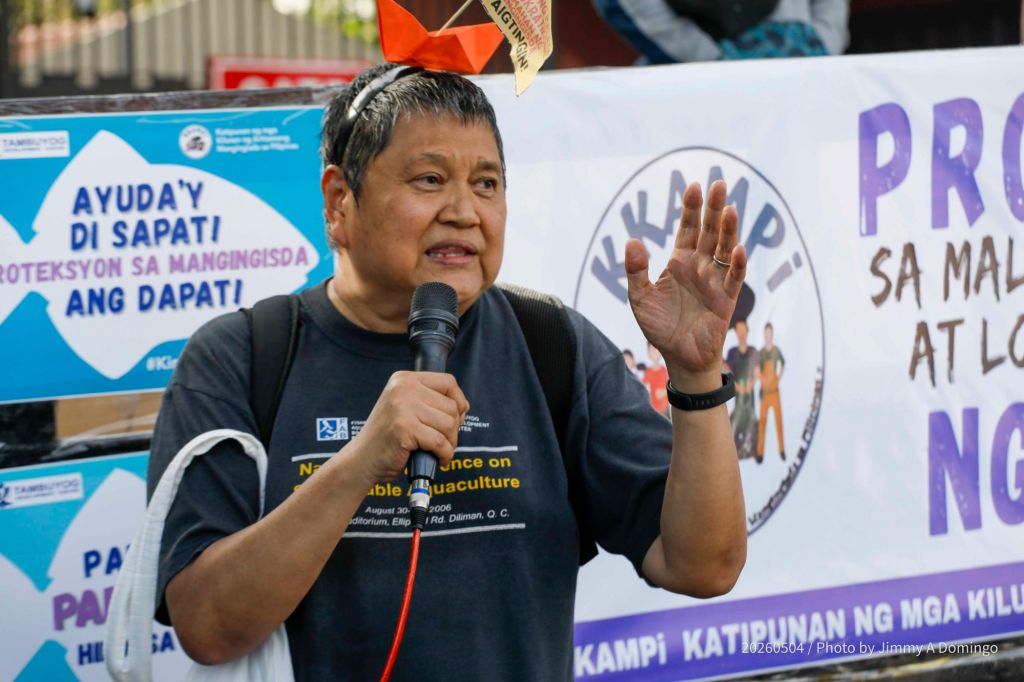
Miriam Petalcorin of the Samahan ng Mangingisdang Kababaihan ng Macalelon said “women must no longer be treated as invisible workers in the fisheries sector.”
“Ang kababaihan sa pangisdaan ay hindi lang katuwang sa bahay. Kami ay nag-aayos ng lambat, nagpoproseso ng isda, nagtitinda, nag-aalaga ng pamilya, at nakikibaka para sa pangisdaan at kabuhayan. Kung kikilalanin ang mangingisda, dapat kilalanin din ang kababaihang bumubuhay sa pangisdaan,” she said.
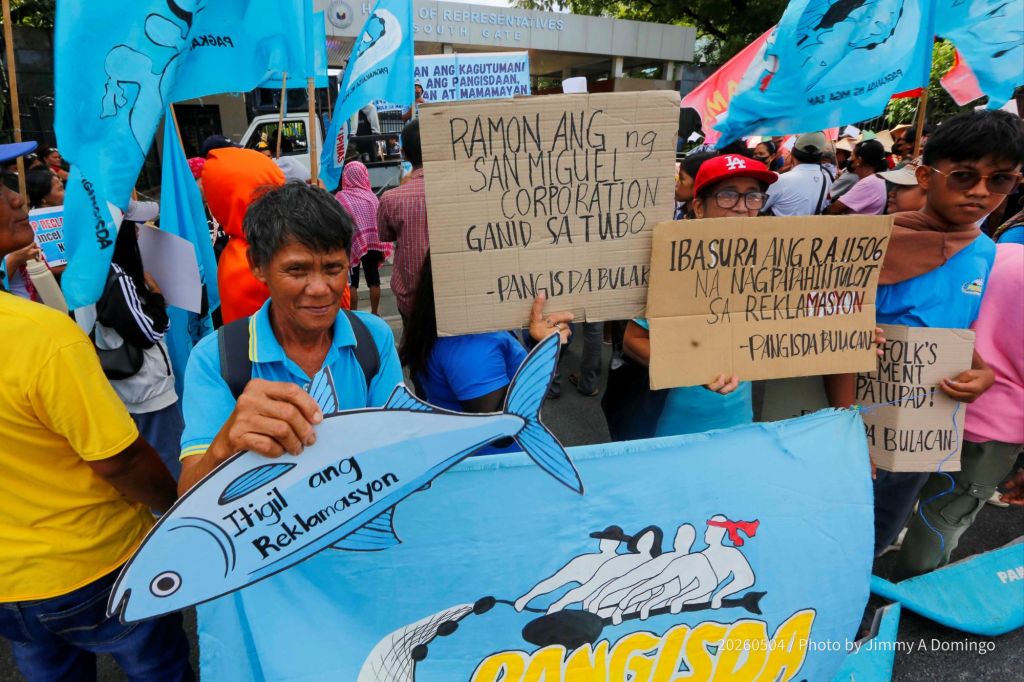
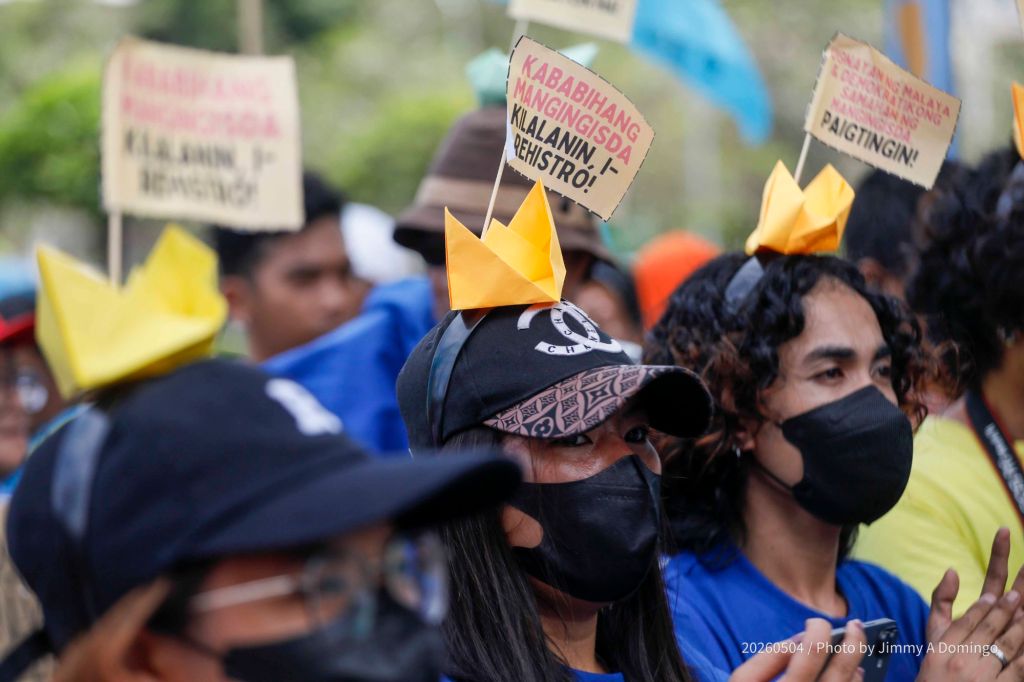
The protesters called on members of the 20th Congress to “act urgently on measures that protect the lives, livelihoods, and rights of small fishers, who remain among the poorest sectors despite their crucial role in food security and coastal resource protection.”
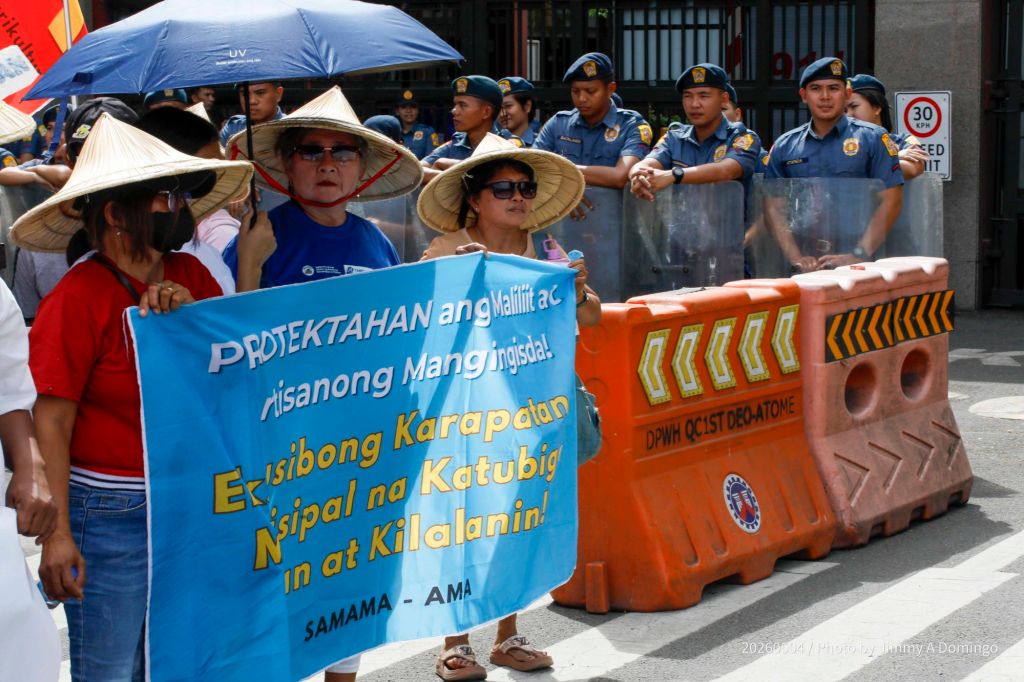
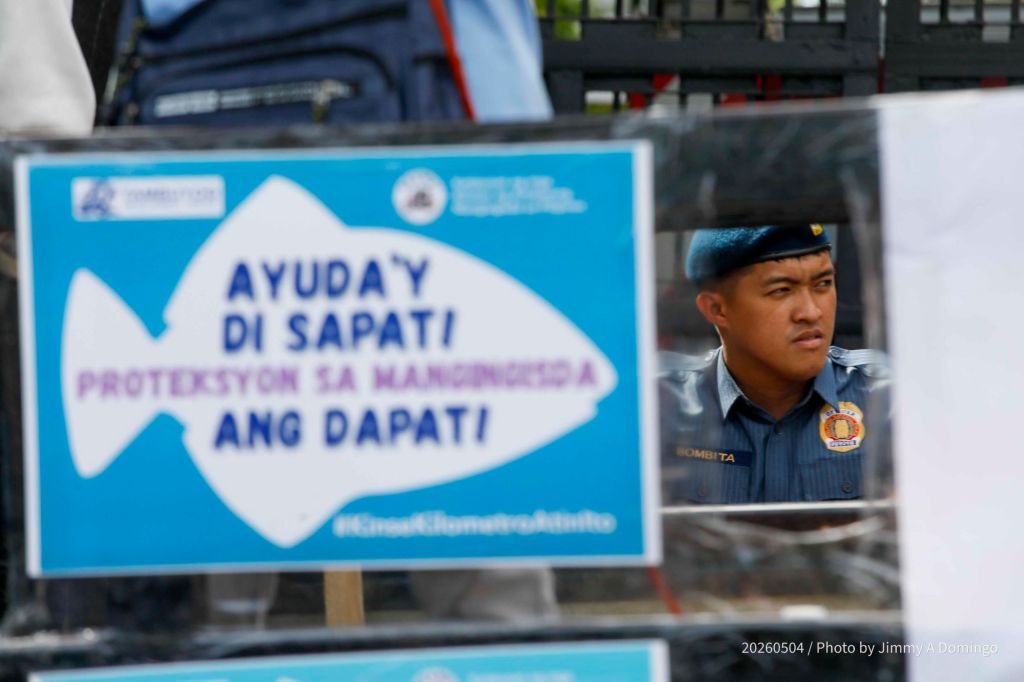
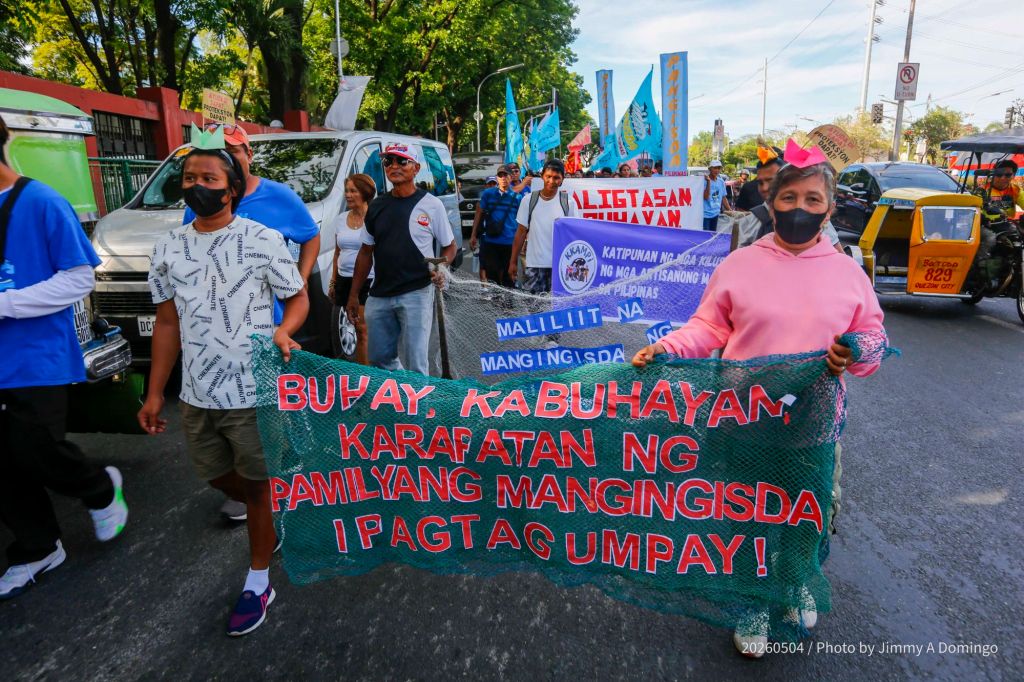
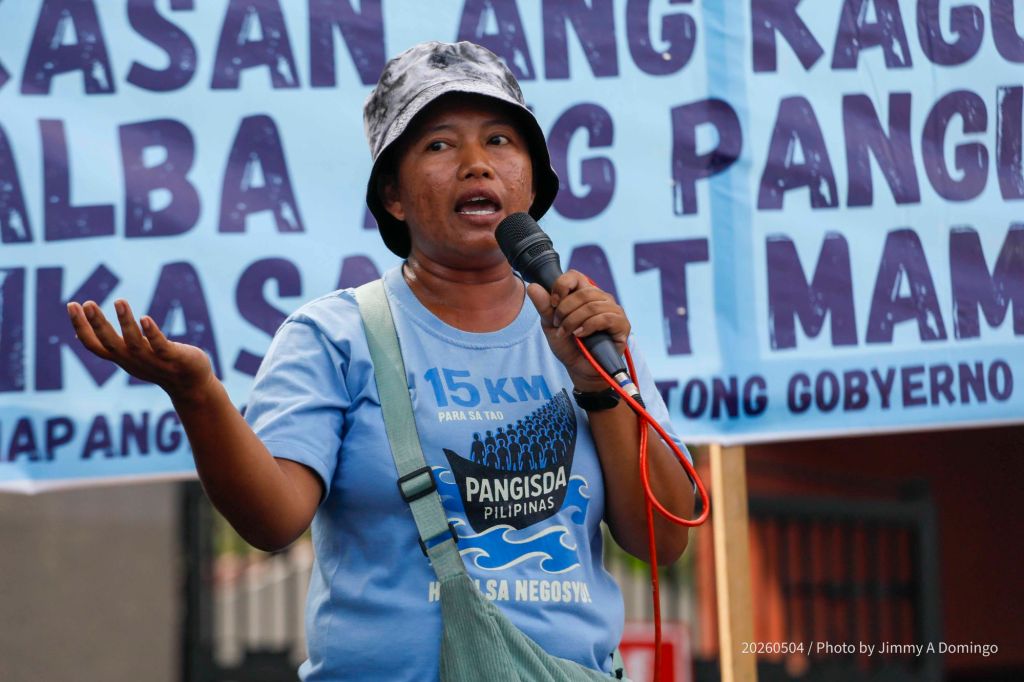
Pablo Rosales, president of PANGISDA-Pilipinas, a KKAMPi member organization, said “Congress must confront the painful contradiction faced by fishing communities.”
“Mayaman ang ating karagatan, pero naghihirap ang mangingisda. Iyan ang malaking kabalintunaan at kawalang-katarungan na dapat nang wakasan. Hindi sapat ang ayuda kung araw-araw namang nanganganib ang aming kabuhayan, tirahan, at karapatan sa pangisdaan.”
/30
 Mata: Asia Press Photo
Leave a comment