
Text and photos by Vhin Diezell C. Benitez
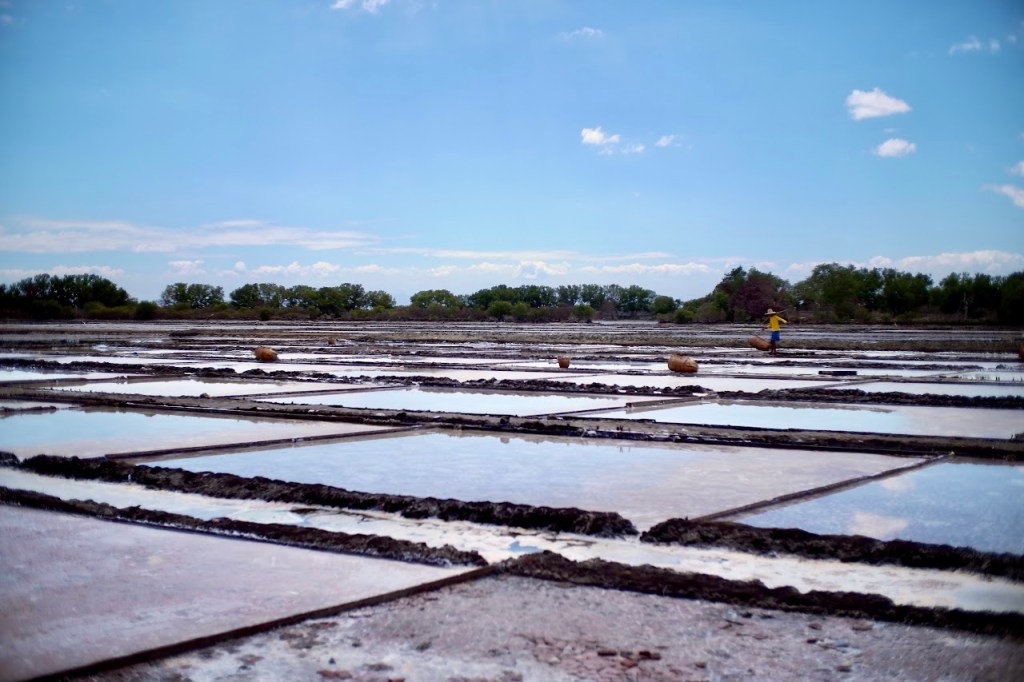
Bulacan was once recognized as the country’s leading salt supplier in the 1980s, producing approximately 162,000 metric tons of salt every year. This accounted for 45% of the nation’s salt requirement, making salt farming an important part of livelihood in the coastal-lined province. However, through the decades, this figure has since declined drastically. Today, Malolos, Paombong, and Bulakan are producing only 4,600 metric tons or 4.11% of the national requirement yearly. Even Hagonoy, which once played a huge role in Bulacan’s salt production, has seen a huge decline. According to the Department of Science and Technology (DOST) (2026), his decrease has been linked to underinvestment in the field, outdated technology and equipment, low and unstable income of the farmers, and a lack of a new generation of salt farmers.
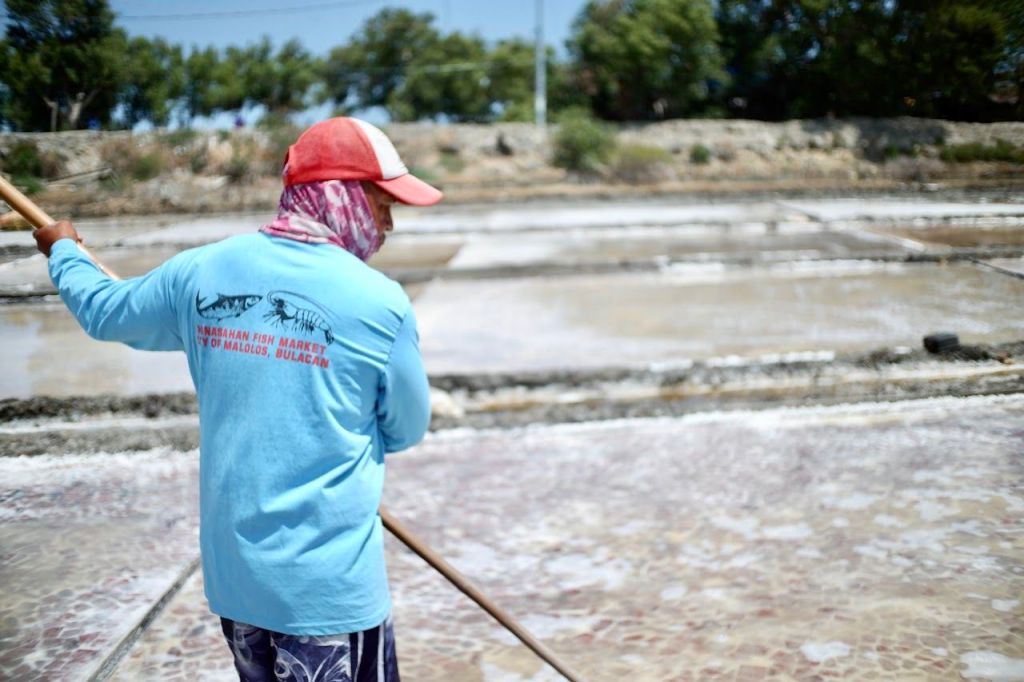
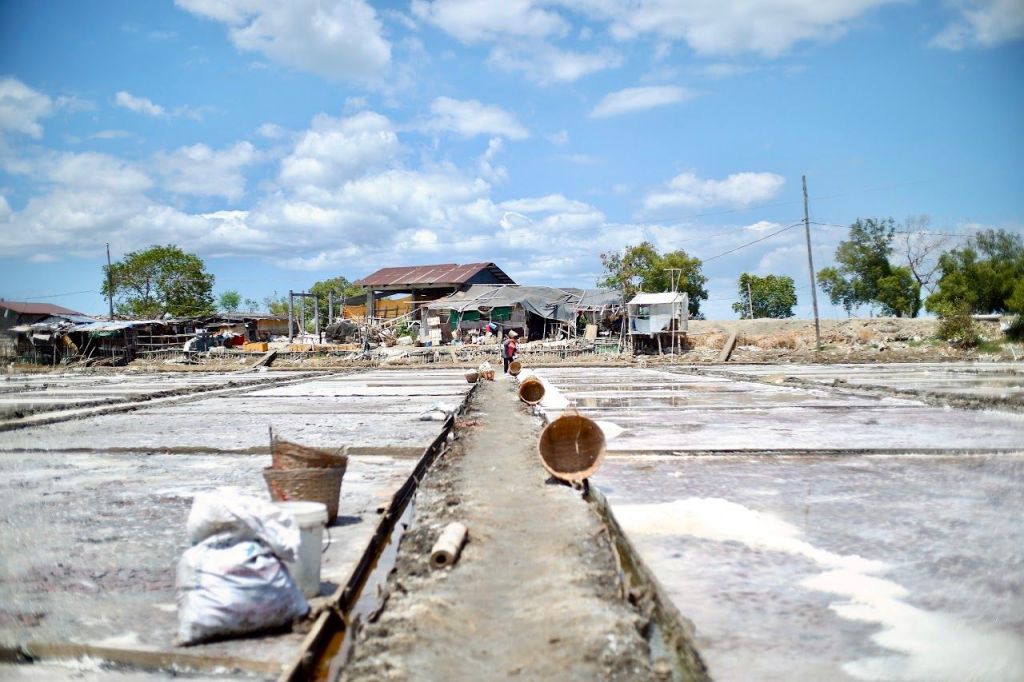
Located far from the mainland, Pamarawan is a small barangay in Malolos separated by a 20 meter-wide water channel and a 40-minute boat ride across the Malolos River. It is home to one of the last few remaining salt farms in Bulacan, serving as one of the main sources of income as its location, surrounded by saltwater, makes salt production abundant. According to Pacesetter (2025), only 20 remaining salt farmers reside in the area, continuing a long history of livelihood and tradition. However, this also reveals the gradual decline of the local salt industry. Among the remaining salt farmers is Antonio Cabigao Jr., originally from Sitio Bitas of Paombong who later moved to Pamarawan. Like many local farmers, Kuya Antonio continues to rely on years of experience, manual labor, and perseverance to sustain salt production despite the many challenges affecting the field.
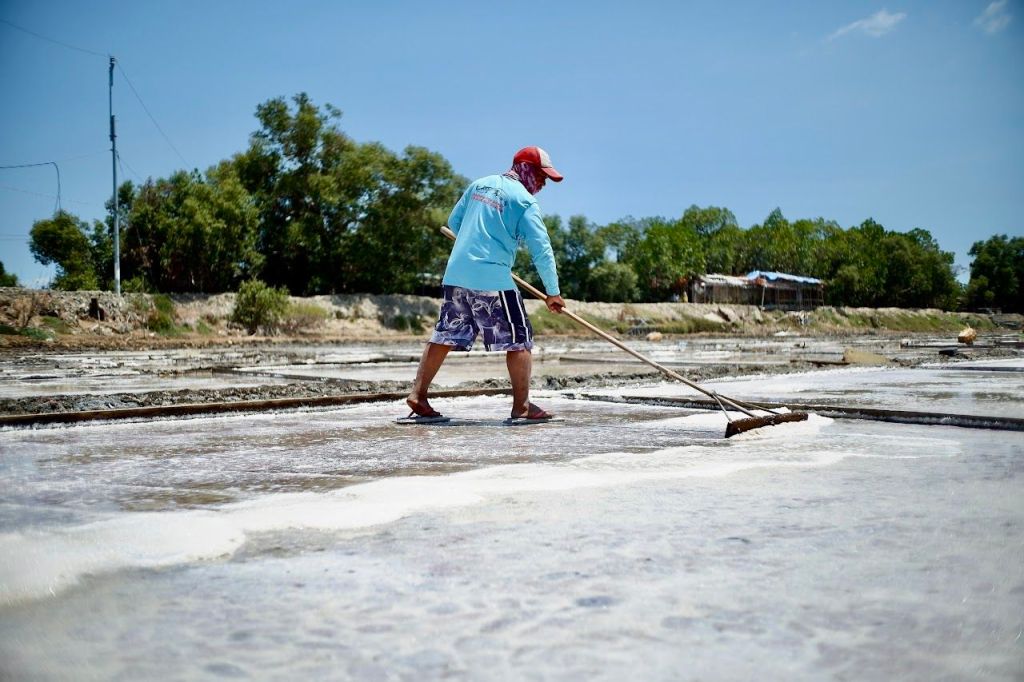
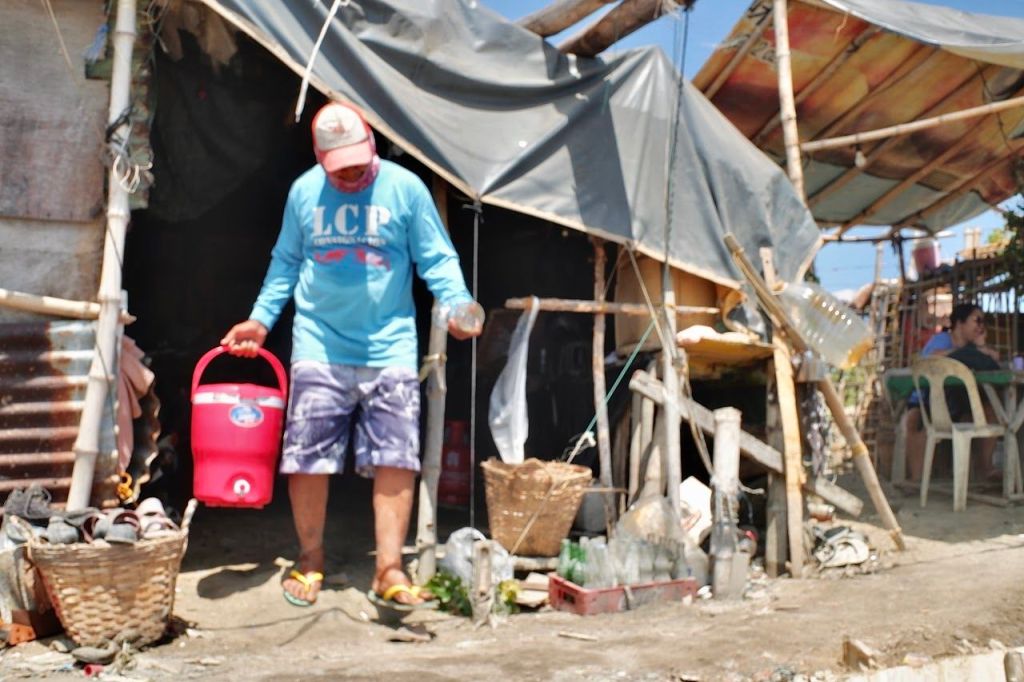
Kuya Antonio has been in the field with his wife for 7 years, starting his salt making journey in Bitas, Paombong. “Itong asinan… pangtawid nu’ng pagkain,” he said, citing salt making as his primary job. He works with another farmer in the field, all three of them working together in the heat to make income for their families. Kuya Antonio and his helper rakes the salt, his wife shovels them into baskets for drying.
This does not encompass the rigorous labor involved with salt making, though. Behind the scenes, before salt is sold in buckets and cups in the local market, it takes days of work and heat under the sun. Long before salt crystallizes on the beds, farmers wait and hope for clear skies to evaporate the saltwater. “Hanggang May pa, hangga’t ‘di pa umuulan, dirediretso pa rin ang asin,” Kuya Antonio expressed, hoping for a full month of sun to reach the highest salt production of the season.
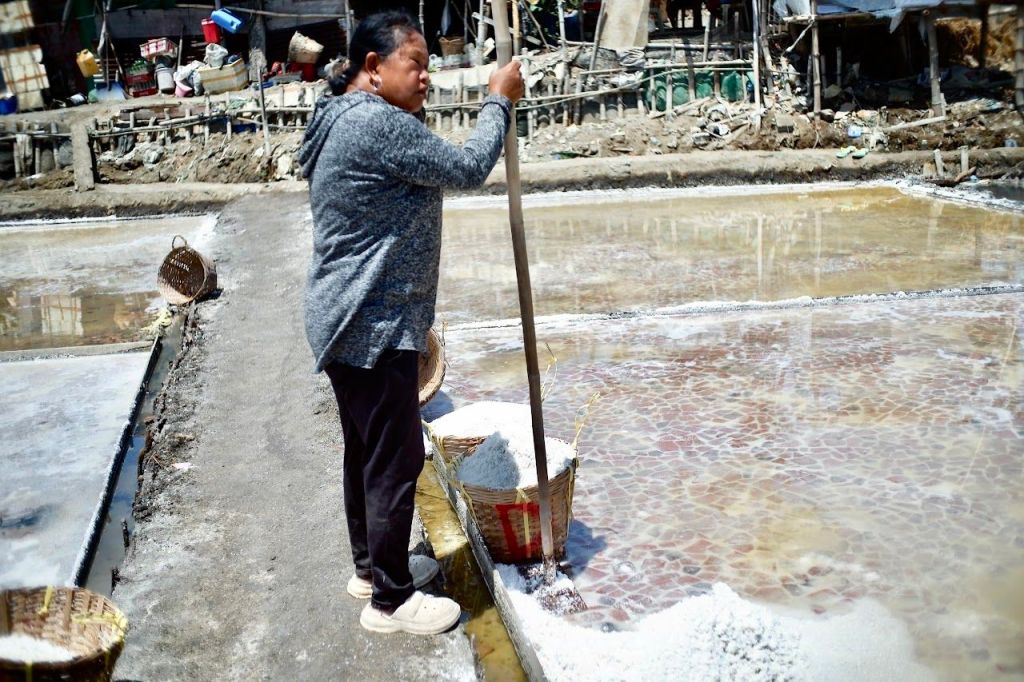
Scraping the salt and shoveling them in baskets do not guarantee income. For farmers like Kuya Antonio, harvesting is only one step of the job. The quality of the salt determines how much they earn after days of hard work and labor under the sun.
“Pagkanagustuhan ‘yung asin mo, tatakalin. Bibilhin sa’yo 180 (per sack),” Kuya Antonio said, noting that merchants travel to the island to buy salt. The salt is classified into three categories, namely, primera, segunda, and tersera. Primera, used as table salt and is most white, is the kind sold for 180 per sack. Segunda, on the other hand, is darker than primera but still lighter than tersera. Tersera is darkest in color and is mixed with impurities such as sand and mud, and is mixed with ice for preservation of ice cream.
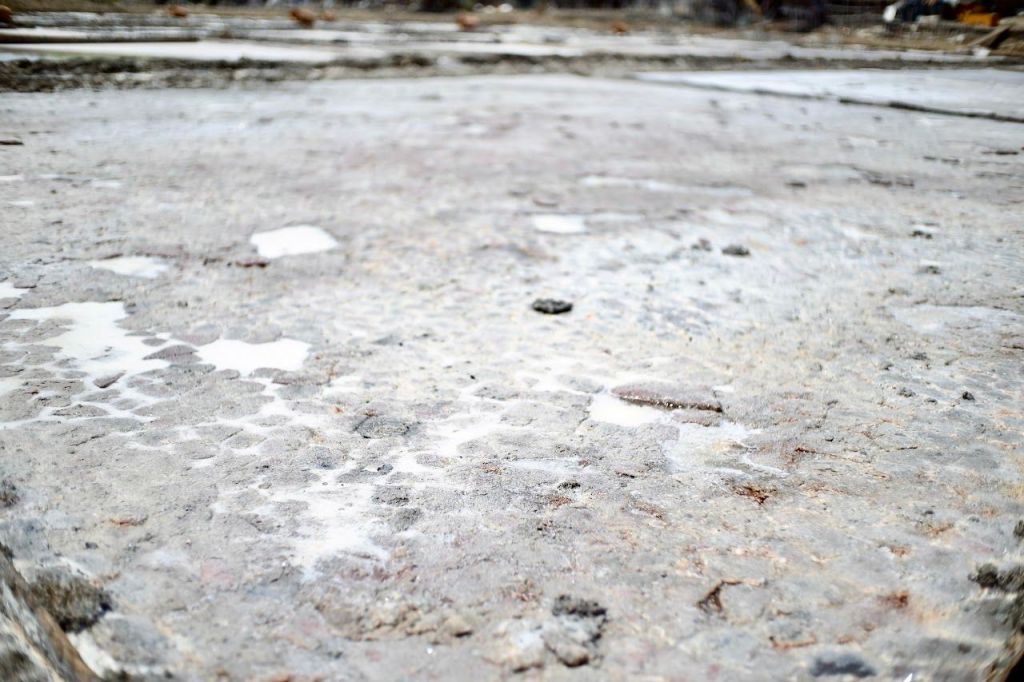
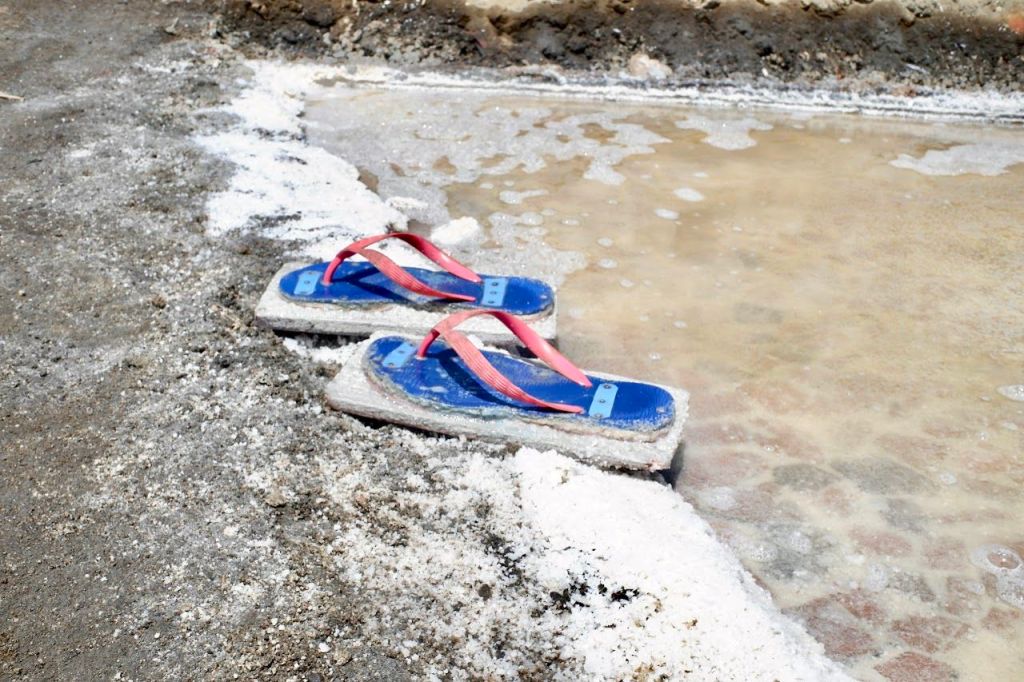
Kuya Antonio lines the salt beds with tisa which are red clay tiles that prevent the salt from mixing with mud and other impurities. It is also essential in the crystallization process. It is important to keep the tisa leveled when raking as to not create potholes in the salt beds. Doing so will result in segunda or tersera salt, which sells for less than primera. For this purpose, he uses a pair of slippers with platforms attached to the bottom to safely step on the beds without disturbing the surface. He talked about the importance of using platforms while pointing at his regular slippers, saying, “halimbawa, ganito lang suot mo, tsinelas na ganito, kada tapak mo diyan, bumabaon ka.”
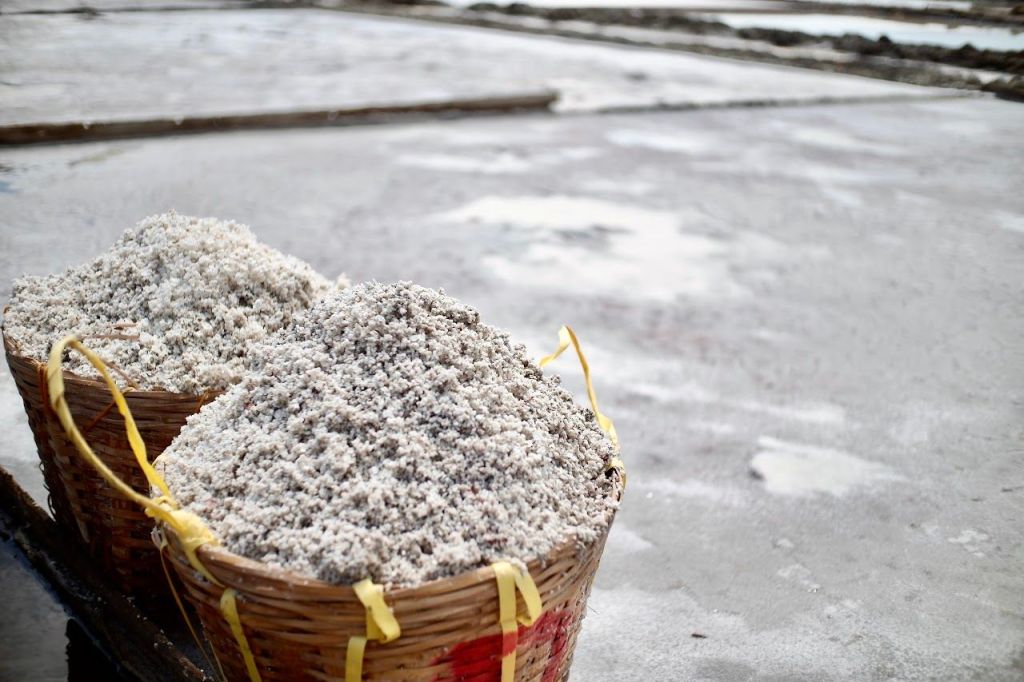
Segunda salt, as Kuya Antonio said, only sells for P120 per sack. It is darker in color compared to primera as it is already mixed with impurities and mud from potholes on the surface of the beds. He listed its uses, saying, “sa mga pambagoong, pantuyo, sa ice cream, sa itlogan, ‘yung itlog na maalat.” Kuya Antonio mentioned segunda salt when talking about the importance of keeping the tisa surface flat. “‘Yung sakong mo, nadiin mo, babaon ‘yun… titingkas ‘yung tisa. ‘Pag kinayod mo siya, magbabako-bako ‘yung tisa,” he said. He added that salt doesn’t crystallize much when the tisa is uneven, resulting not only in lower quality, but less salt production overall.
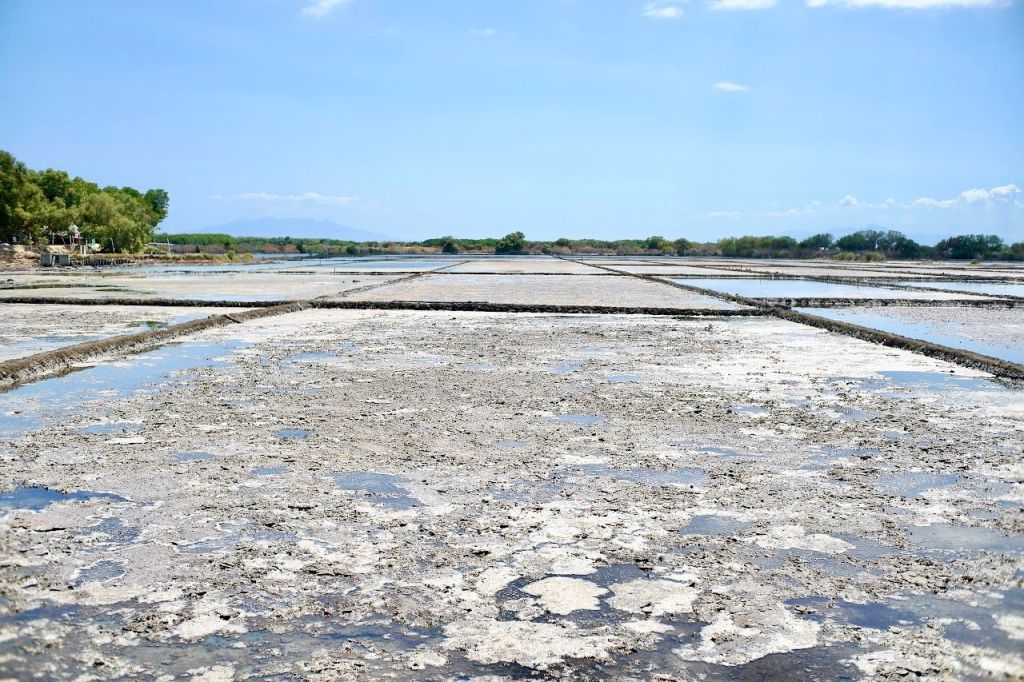
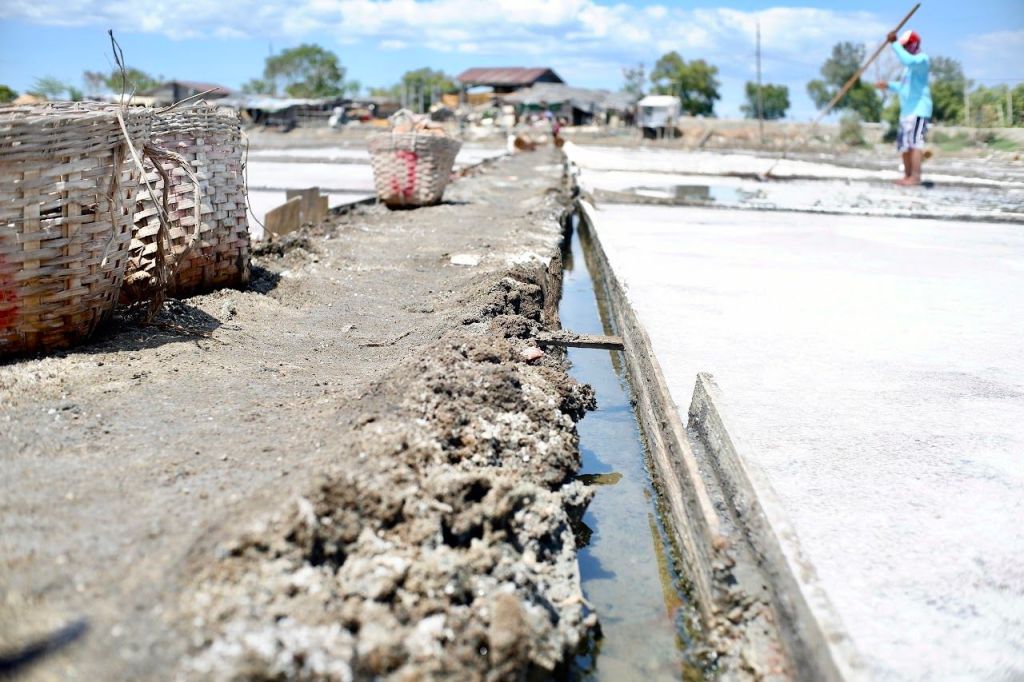
The water comes from a reservoir located at the end of the salt farm. Water from the river and the sea is kept here to maintain a balanced level of salinity ideal for the crystallization of salt. Kuya Antonio mentioned that an 89% level of salinity is ideal for salt making, saying, “kaunting araw lang… magbubuo na agad siya ng asin.” He then expressed the problem when the water is accidentally kept at a lower salinity level. “‘Pag ang pumasok diyan ‘yung medyo tabang… mahina siya mag-asin,” he said.
The water runs from the reservoir through small channels lined on the edges of each salt bed. They help maintain the proper water level in the beds, preventing overflow or shortages and ensuring maximum salt production. Once a batch of salt has been harvested, the channels refill the salt beds with saltwater, restarting the process once again.
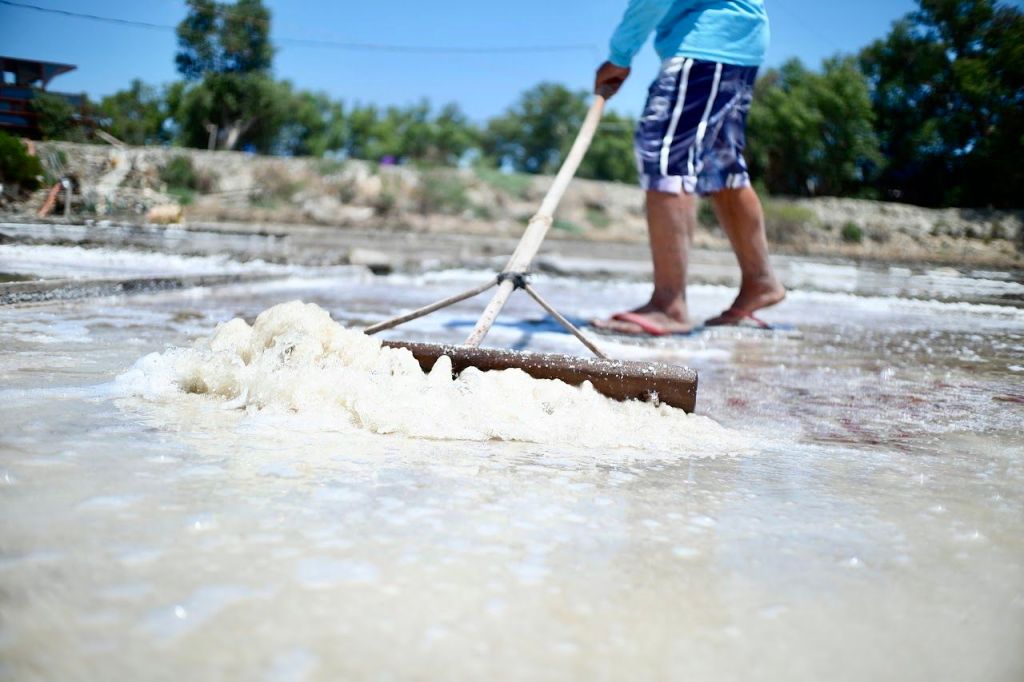
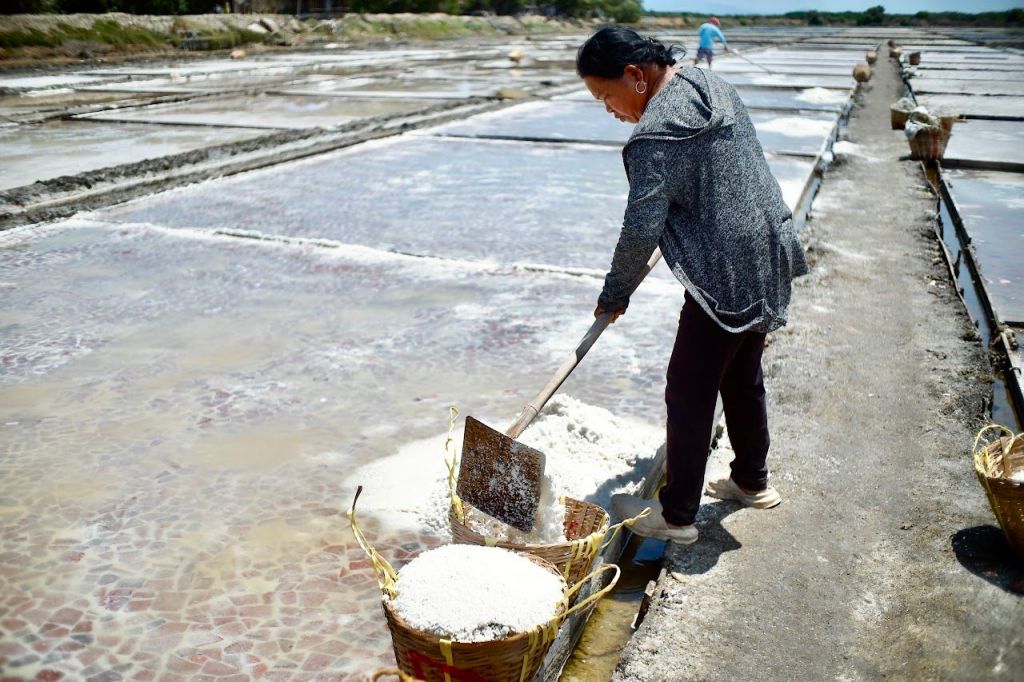
Even at peak production, salt could only be sold at a limited price. On top of that, Kuya Antonio shares half of his earnings with the owners of the farm for every sack of salt he sells. “basta may nagbenta, may tumakal dine… maghahati lang kami, fifty-fifty kami,” he says. With the income already being low, making a living from salt farming becomes increasingly difficult. “Itong asinan… pantawid nu’ng pagkain din ‘to sa anim na buwan… may makakain ka,” he added. Salt farming, then, only becomes a means for survival.

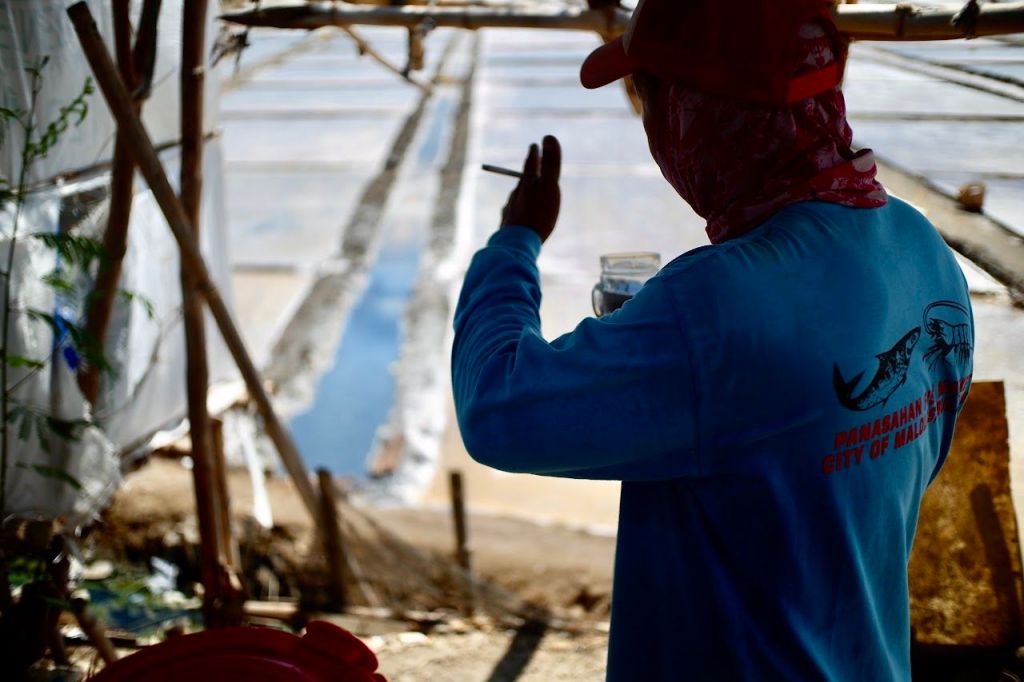
As Kuya Antonio finishes harvesting salt, he lifted his foot to show a wound on the side of his big toe. While such an injury may seem painful to others, for Kuya Antonio, who has years of experience working on the field, it has become an ordinary part of life on the farm. “Natitiis naman ‘yan eh… sa unang lusong mo, eh talagang masisigaw ka… pero pagka nakakatatlong banigan ka na, wala na, manhid na,” he expressed.
Despite the rigorous labor involved in the salt-making process, these struggles do not necessarily translate to higher earnings for salt farmers. Ironically, while farmers like Kuya Antonio struggle to make a living, salt is often sold at a significantly high price once it reaches local markets like Malolos Bayan.
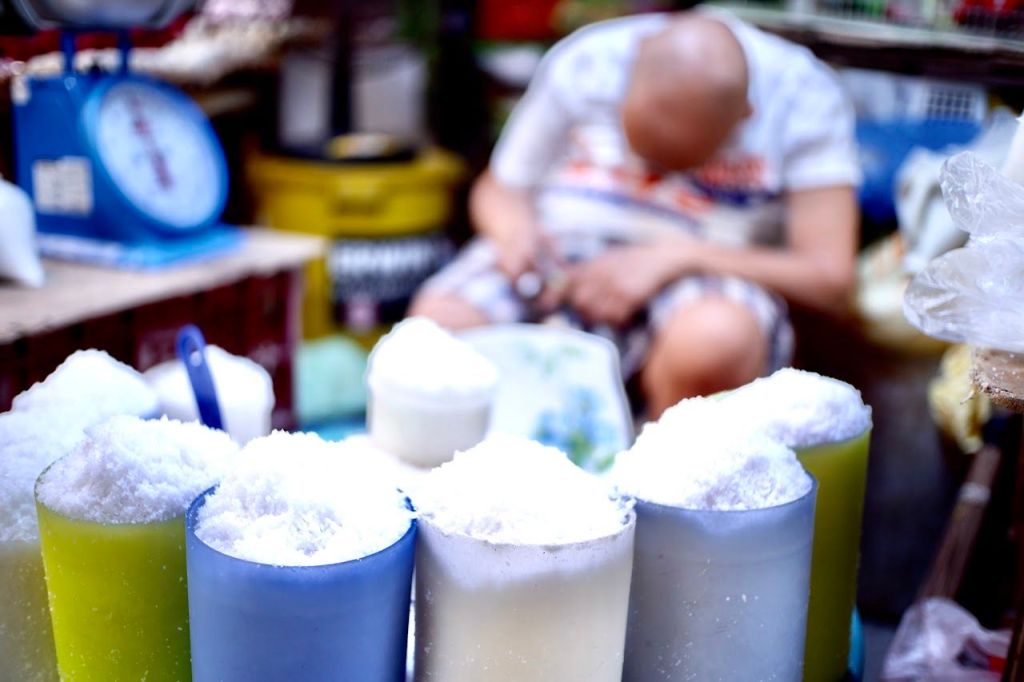
A vendor in Malolos Bayan public market buys her salt from Hagonoy. Like in Pamarawan, the salt comes in 40-kilogram sacks which farmers like Kuya Antonio originally sell for only ₱180. The vendor purchases each sack for ₱400, more than double the amount paid to farmers. The markup continues in the market where salt is sold for ₱25 per kilogram and ₱20 for ¾ of a kilogram. By then, the gap between market price and the farmer’s income became wider.
As the price of salt rises from farms to markets, the farmers themselves receive only a small amount of the profit. Behind this income gap is a larger issue: the decline of salt farming and the lack of support for salt farmers. DOST Secretary Renato U. Solidum Jr. attributes this decline to “limited salt farms, aging farmers, outdated technologies, quality issues, climate disruptions, and the absence of a dedicated facility where new generations of salt producers can be trained.” Even with the abundance of coast lines and saltwater, the local salt production lags behind the imported supply and salt farmers struggle to keep up with competition.
93% of the country’s salt supply is imported from nearby countries such as Australia and China, while local salt production is only 7%. Solidum also stated that this gap is continuing to widen as national demand for salt continues to rise for agricultural needs. The local salt production stands at 114, 623.29 metric tons annually, miles lower than the 850,000 metric ton demand.
The Philippines had its peak salt production during the 1990s when 85% of the country’s annual salt demand was produced by local salt farmers or manufacturers. Today, the challenges they face extend past the heat and the physical labor. Decades ago, a law intended to mitigate a public health issue reshaped the local salt industry and contributed greatly to its decline over the years.
Republic Act No. 8172 of 1995 or An Act for Salt Iodization Nationwide (ASIN) law significantly contributed to the decline of local salt production. The law mandates the iodization of salt produced for human and animal consumption. This was an effort to address the iodine deficiency in Filipinos, but had an unprecedented effect on the local salt farmers.
The law included a section that would allow local farmers to receive loans and financial support from the Department of Trade and Industry (DTI) for the technology and equipment needed to iodize food-grade salt. However, many were left behind as farmers did not have enough resources to comply with the law. Since then, the local industry suffered to sustain its production as salt imports began to increase.
Today, the Philippines is aiming to become fully self-sufficient in salt by 2040. Some initiatives, like the Accelerating Salt Research and Innovation (ASIN), are planned to address the importation of salt. The ASIN Research and Development center was launched by DOST in partnership with Pangasinan State University (PSU) Binmaley Campus. It aims to address the issues listed above by providing “modern and practical” equipment to optimize salt production, and forming partnerships with the government and local farmers.
The research and development center not only targets the province of Pangasinan, but plans to address the issue nationwide. The facility will also comprise training and workshop areas to educate and prepare future salt farmers for the field. DOST is hoping for this facility to boost the local production of salt, and is aiming for a 100% national salt sufficiency rate.
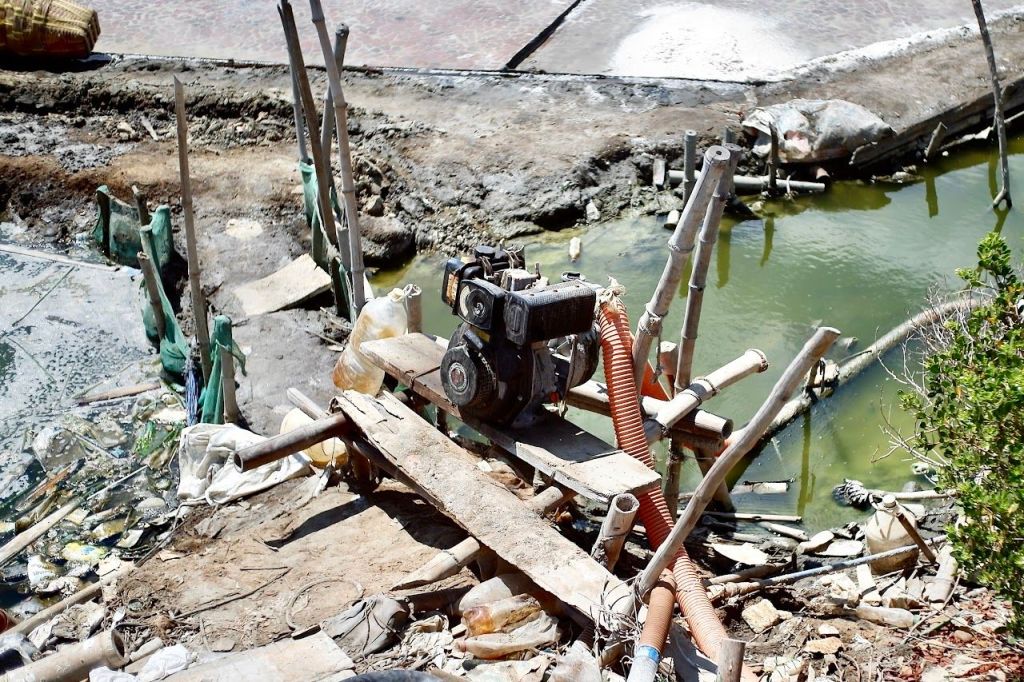
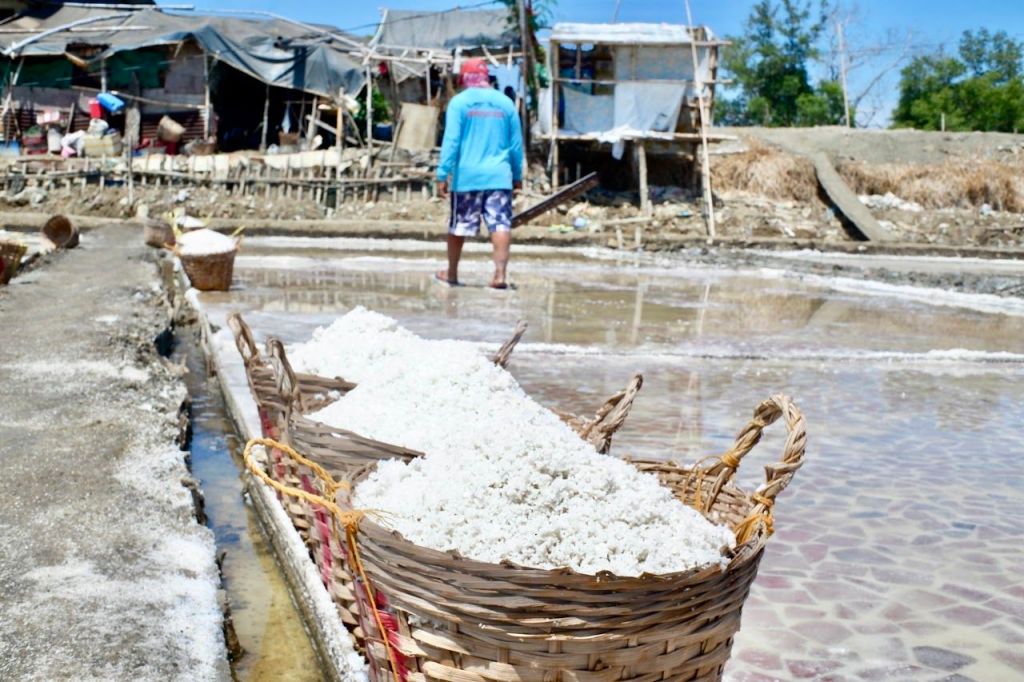
Back in Pamarawan, in Kuya Antonio’s small salt farm, he receives a water pump and woven baskets from the Fisheries and Aquatic Resources Management Council (FARMC). Though any form of help is much appreciated, they do little to improve the outdated salt production and equipment and the low income of salt farmers. Kuya Antonio’s experience reflects the reality of the lives of other remaining salt farmers in Malolos: working for survival in an industry slowly fading.
While government initiatives like the ASIN Center show a glimpse of hope for the future of salt farming in the Philippines, impact will only truly be felt if they reach small-scale farmers like Kuya Antonio in Pamarawan. Supporting the industry not only improved salt production, but will hopefully inspire younger generations to get their feet wet on the field.
As the dry season comes to an end, and the salt farms in Pamarawan turn into fish ponds, salt farmers like Kuya Antonio could only hope that, by the next opening of the farm, they might finally taste a pinch of promise.


Leave a Reply