This 20-frame visual sequence documents the systematic displacement and spatial transformation of coastal fishing communities along Bacoor Bay, Cavite, spanning 2021 to 2026.
Moving fluidly across five narrative acts, the sequence opens with the centuries-old maritime heritage, domestic stilt architecture, and daily labor of artisanal fisherfolk facing the onset of the LRT-1 Cavite Extension.
It directly captures moments of civic confrontation—from municipal negotiations at Bacoor City Hall to roadside civil protests—alongside the physical driving of industrial steel sheet pile walls across traditional fishing grounds.
Grounded in the economic heartbeat of Manila Bay’s green mussel (tahong) trade, the portfolio tracks the accelerating pressures of land acquisition, DOTr right-of-way clearings, and catastrophic community fires. It culminates in a stark visual contrast between the elevated momentum of state infrastructure and the resilient, adaptive strategies of local youth reclaiming newly paved reclamation roads at twilight.
Together, these images form a critical visual record of environmental water displacement, heritage erosion, and human persistence on the edge of Manila Bay.
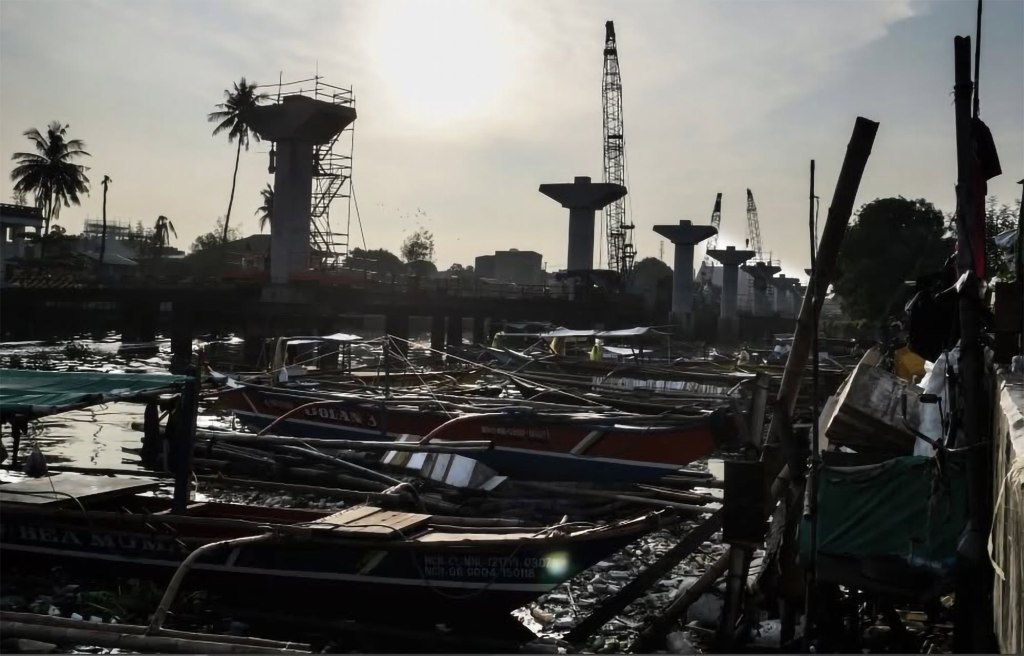
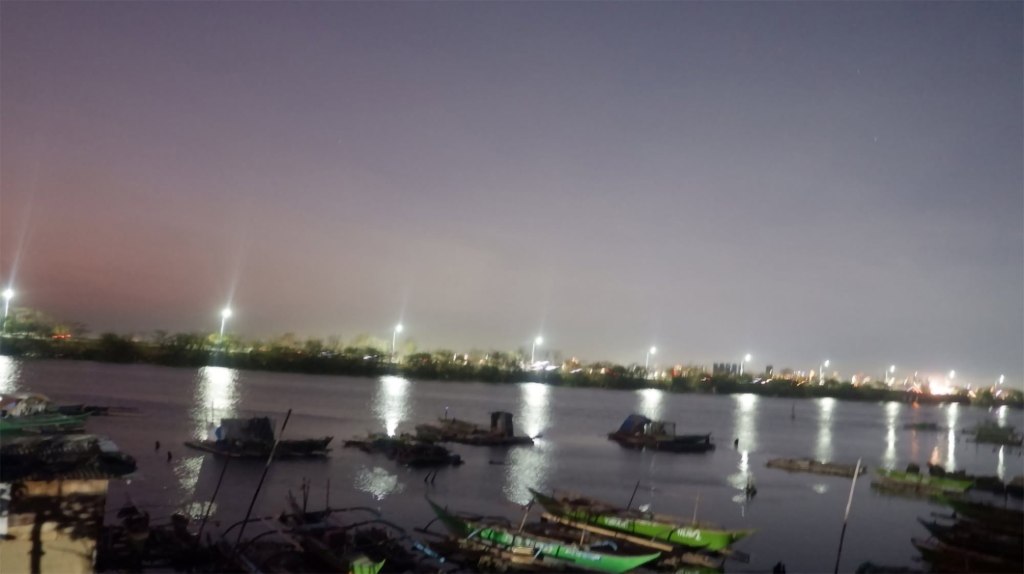
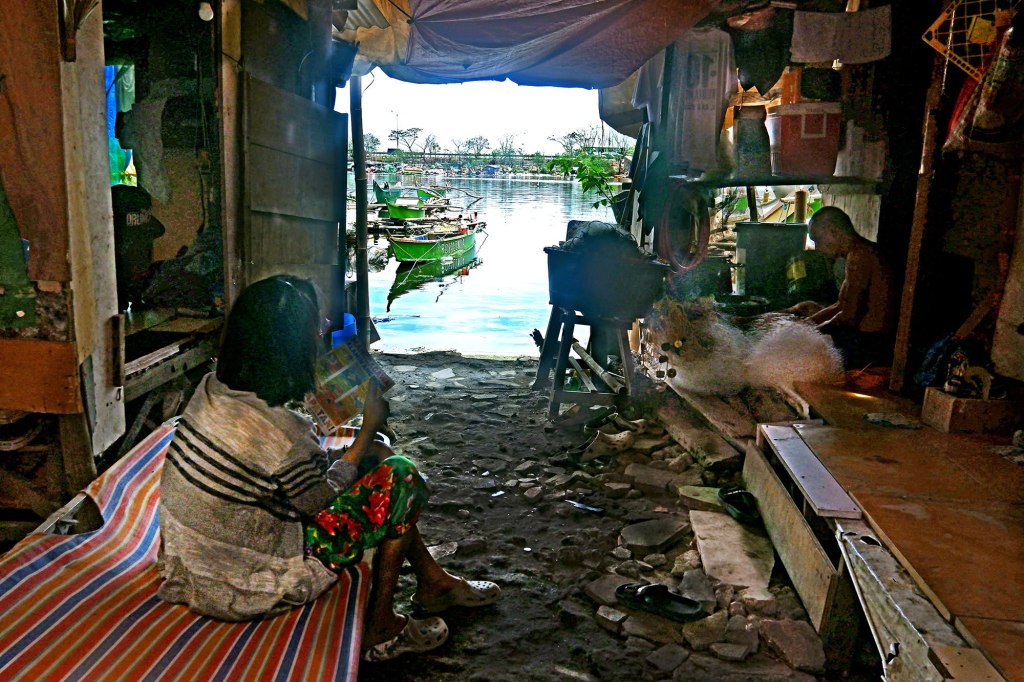
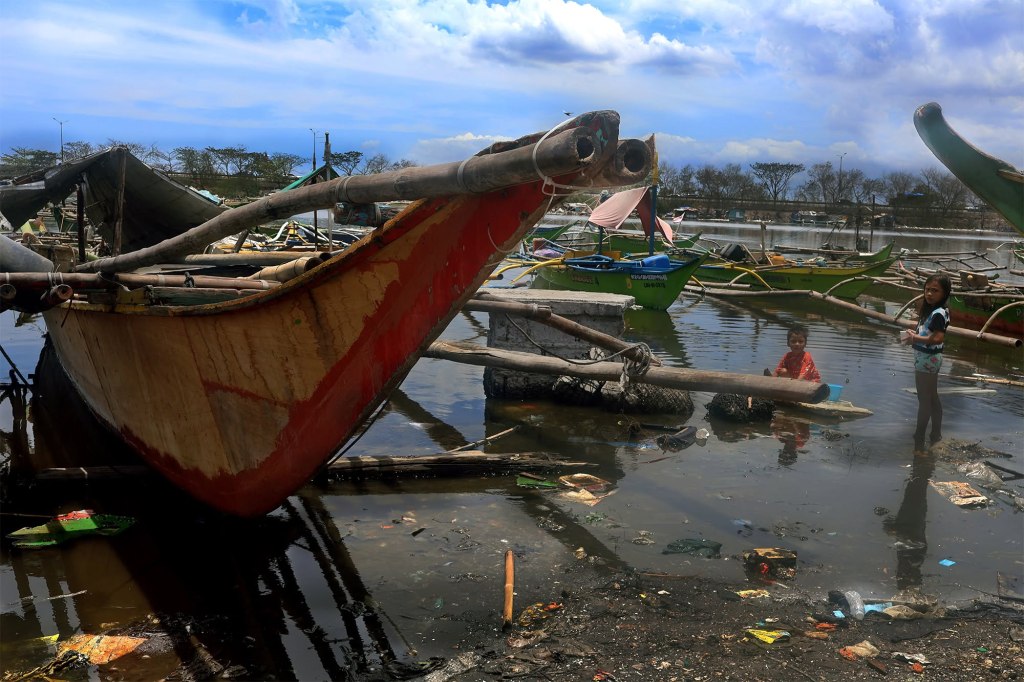
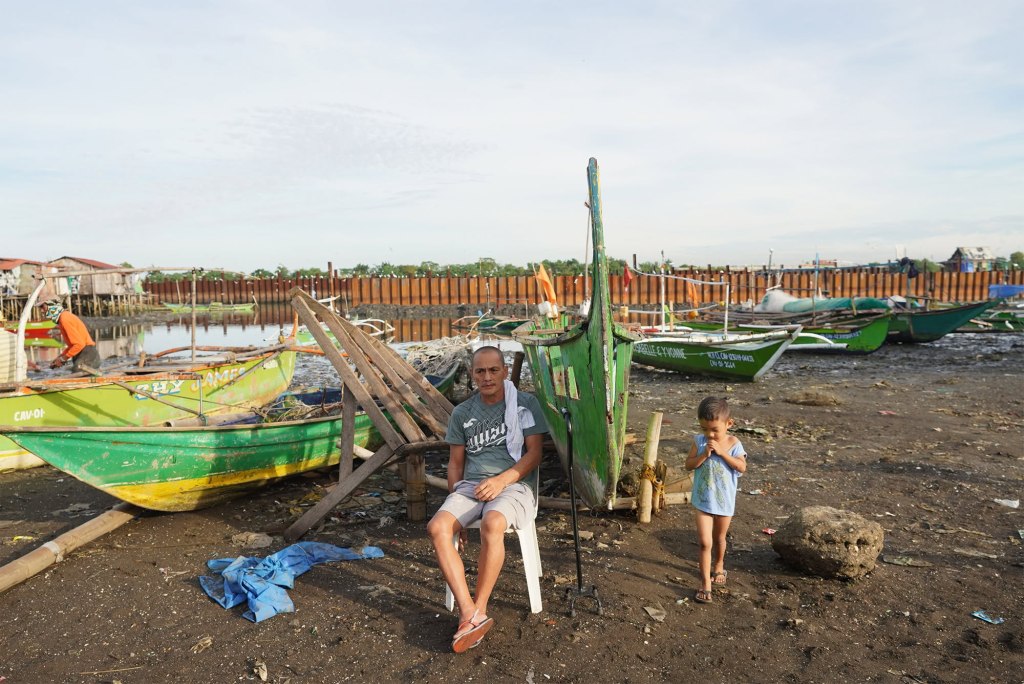
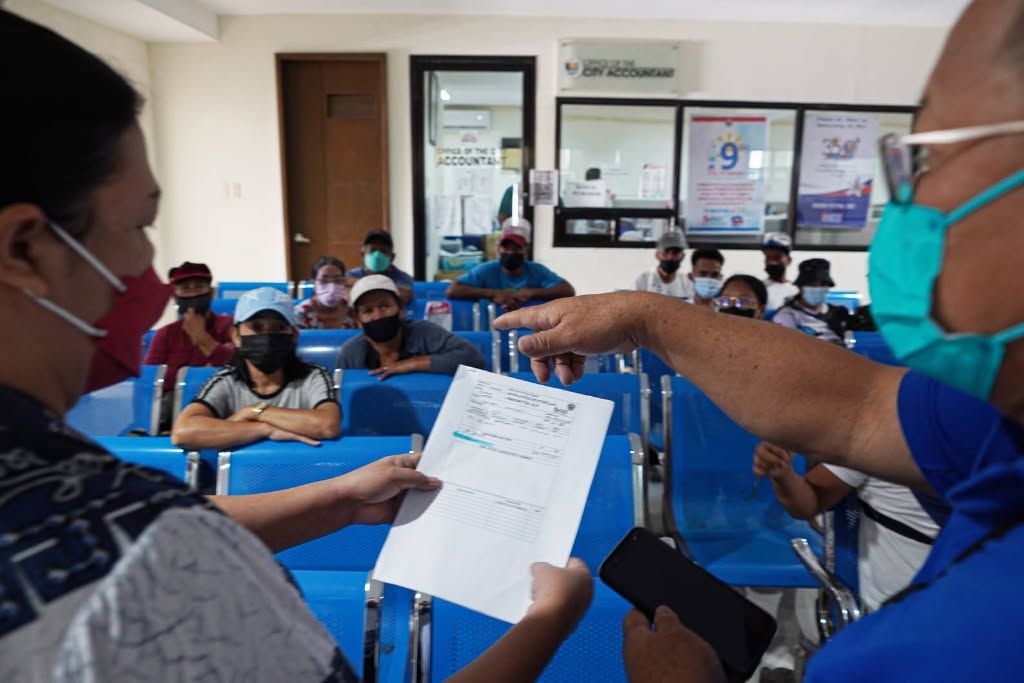
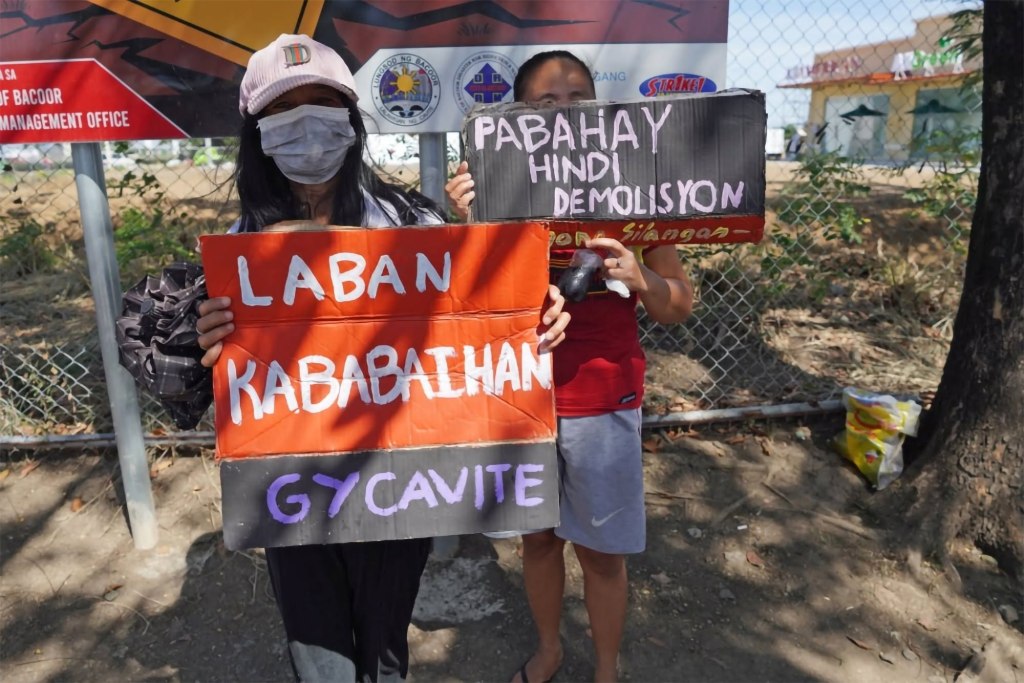
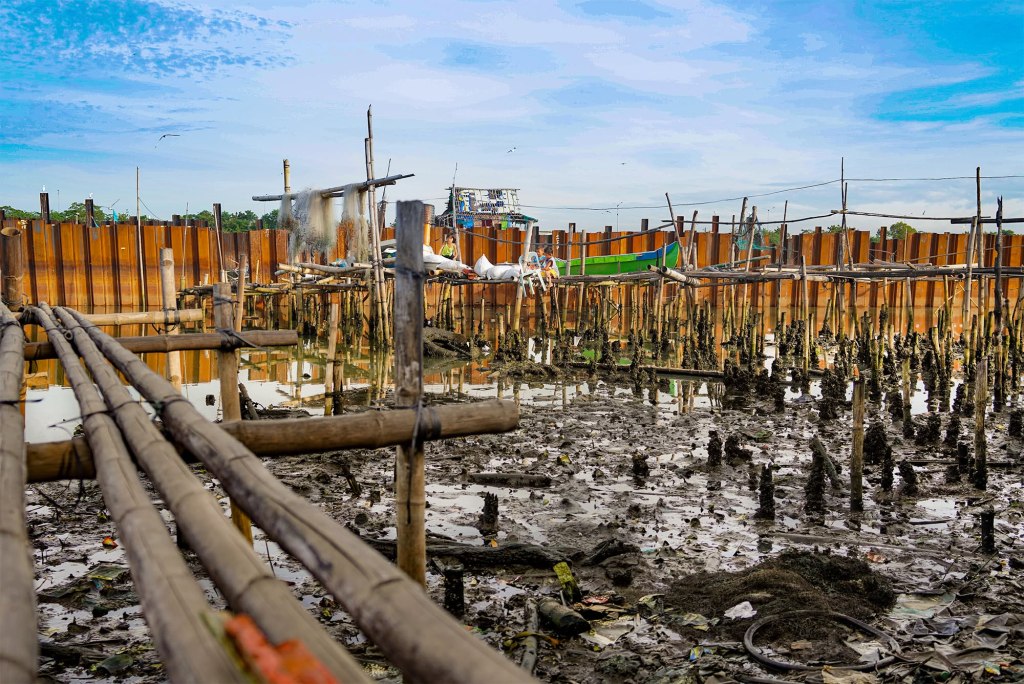
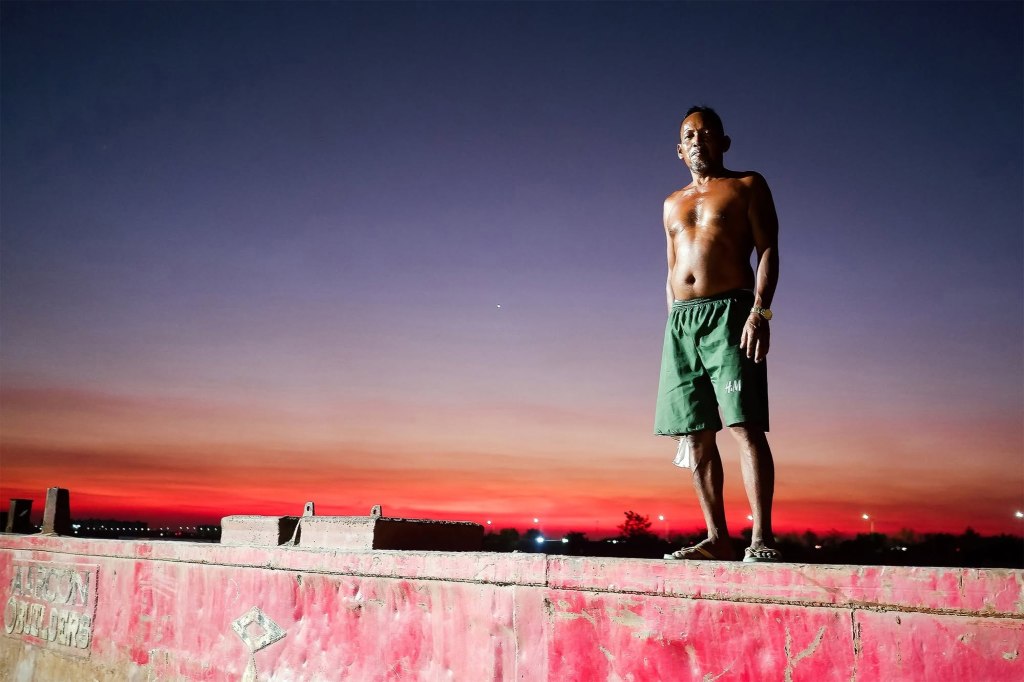
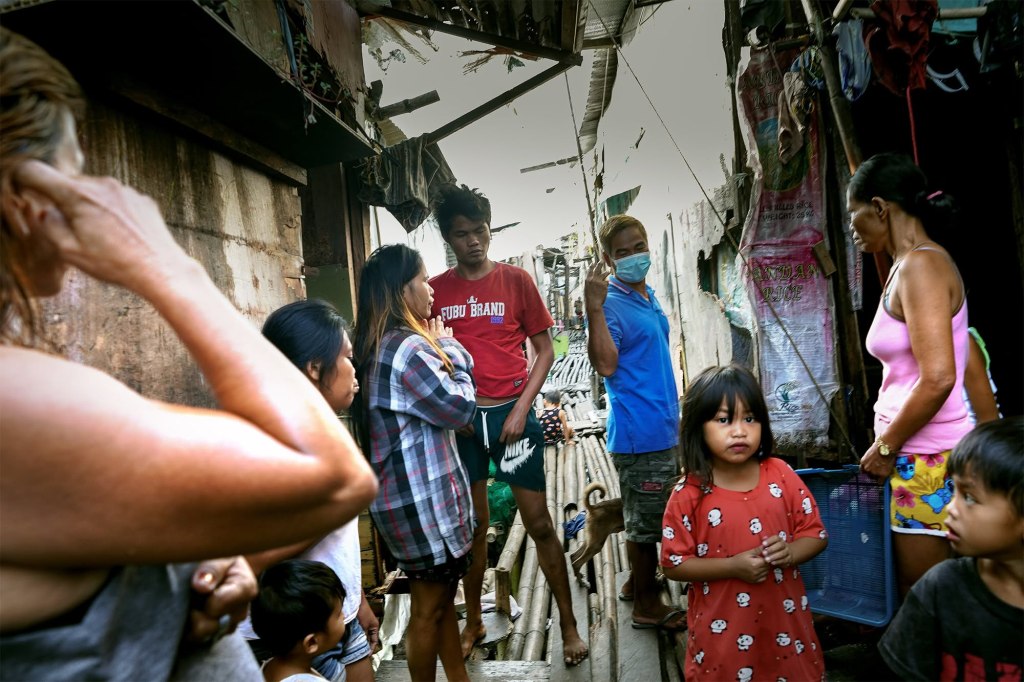
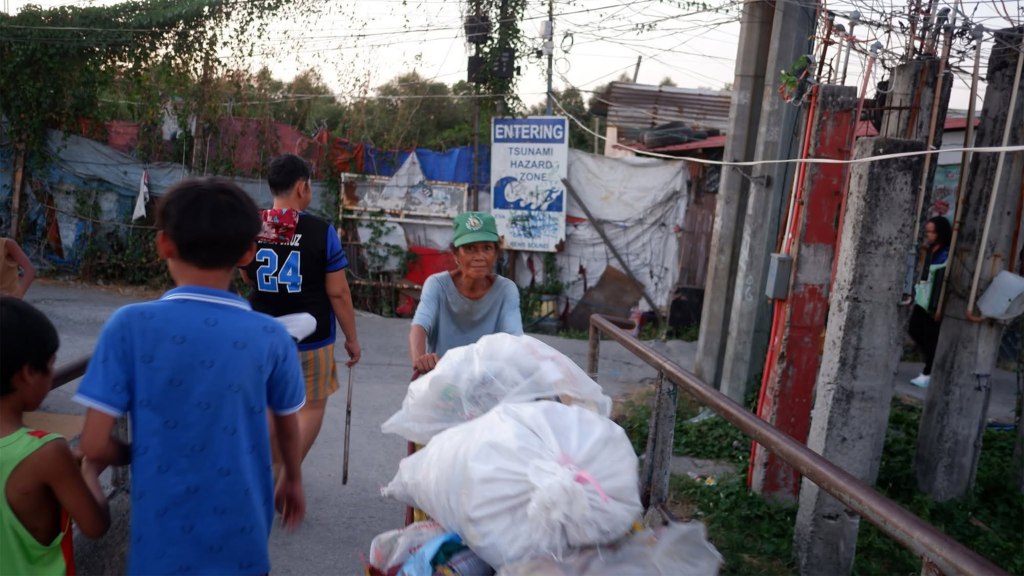
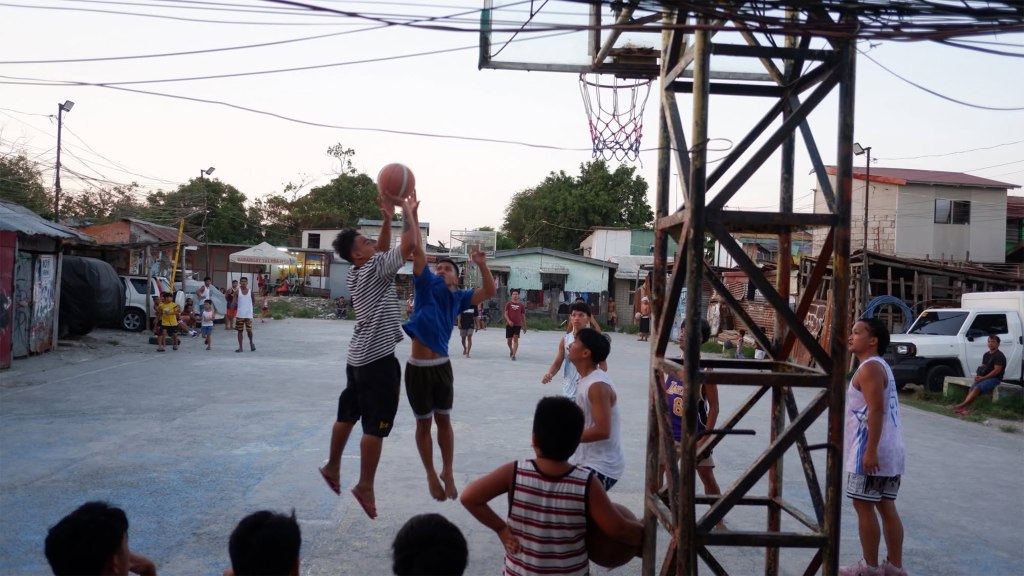
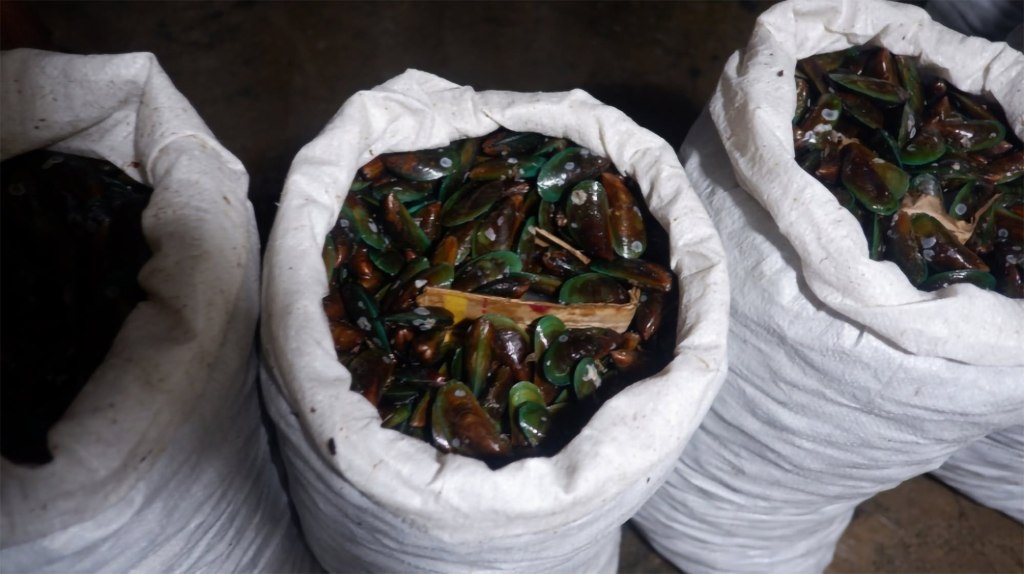
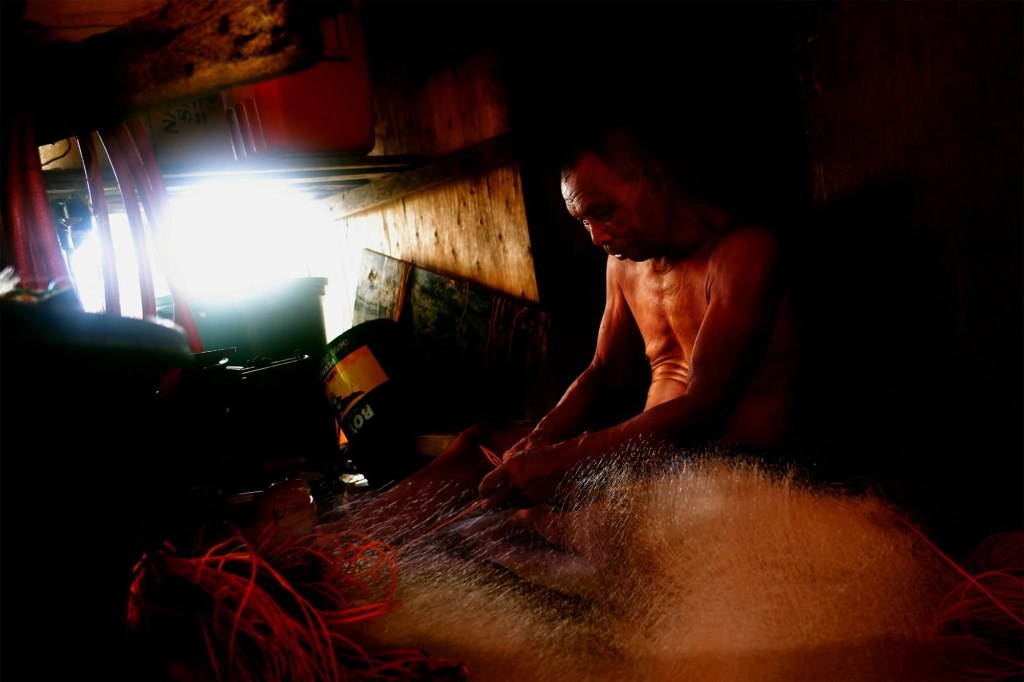
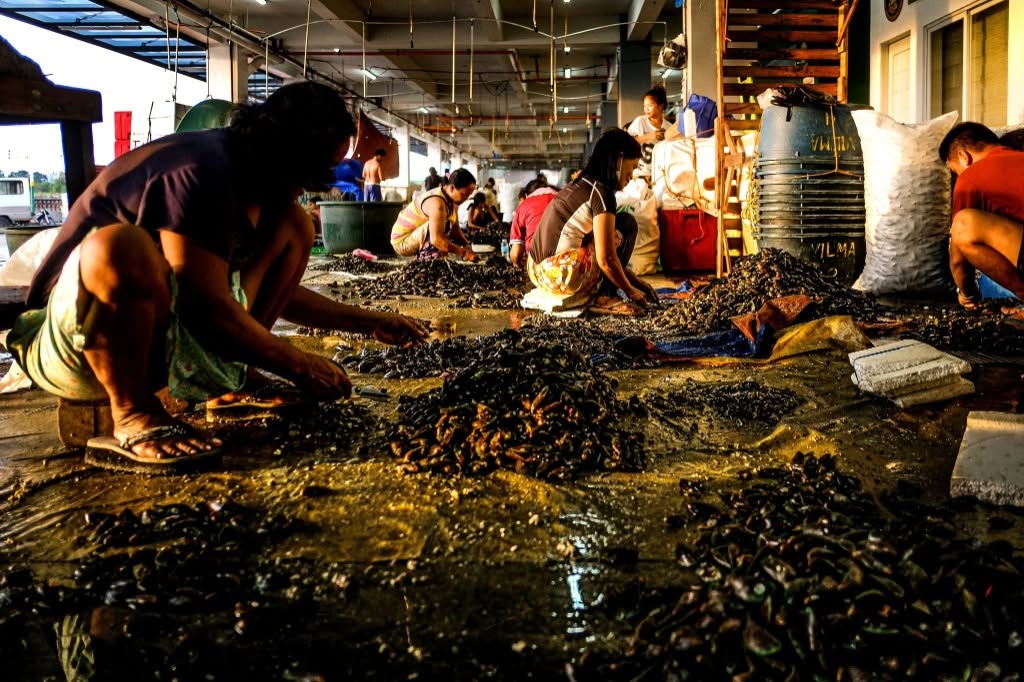
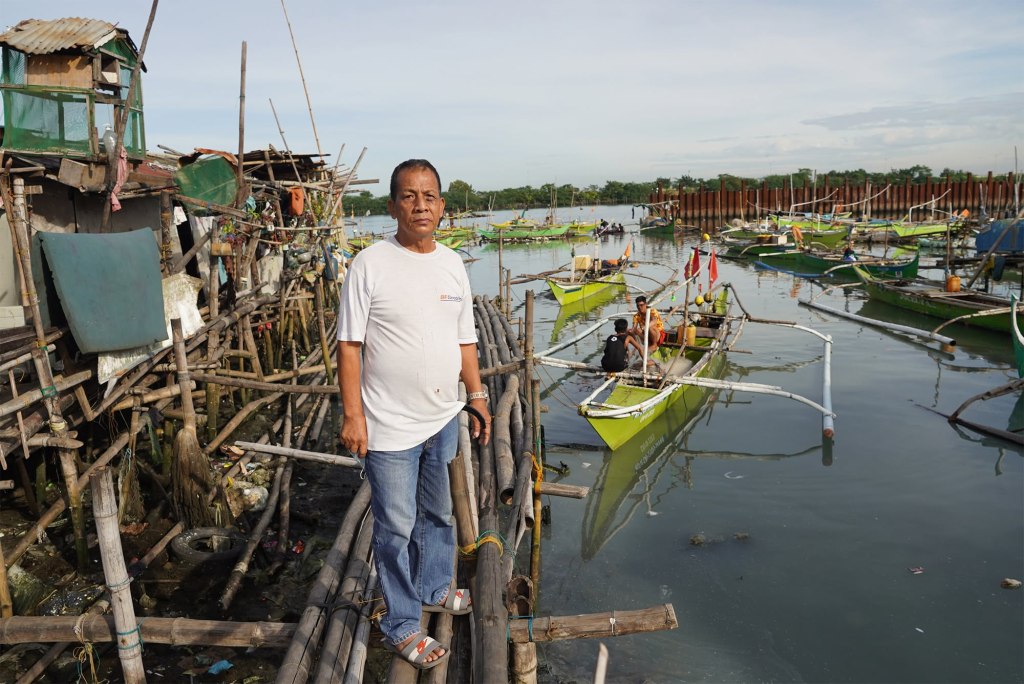
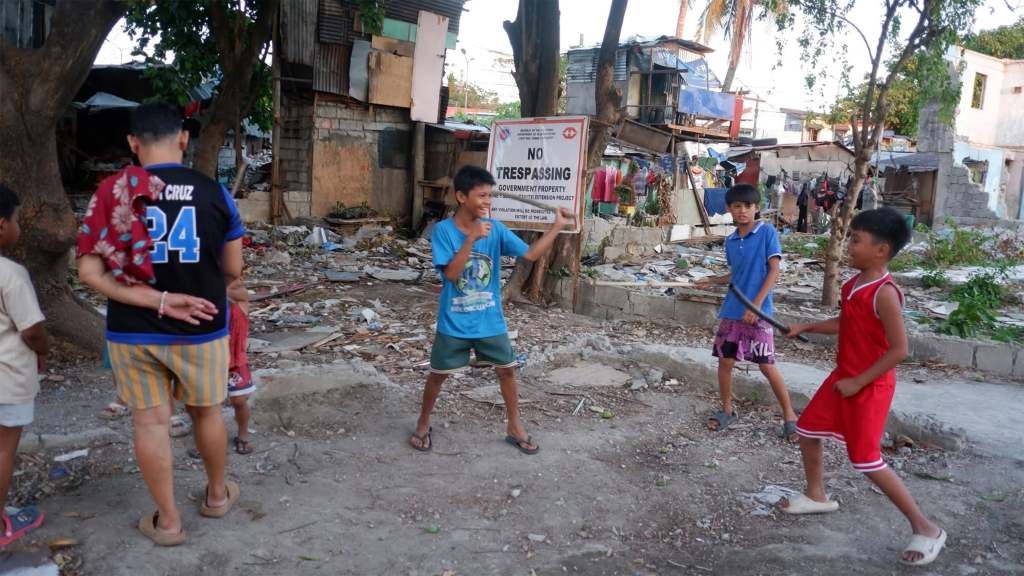
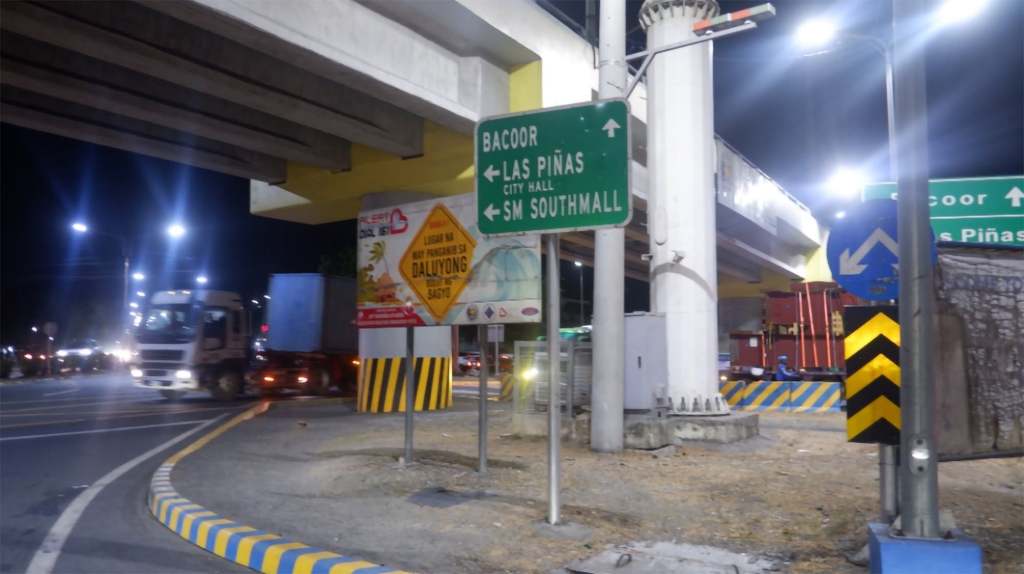
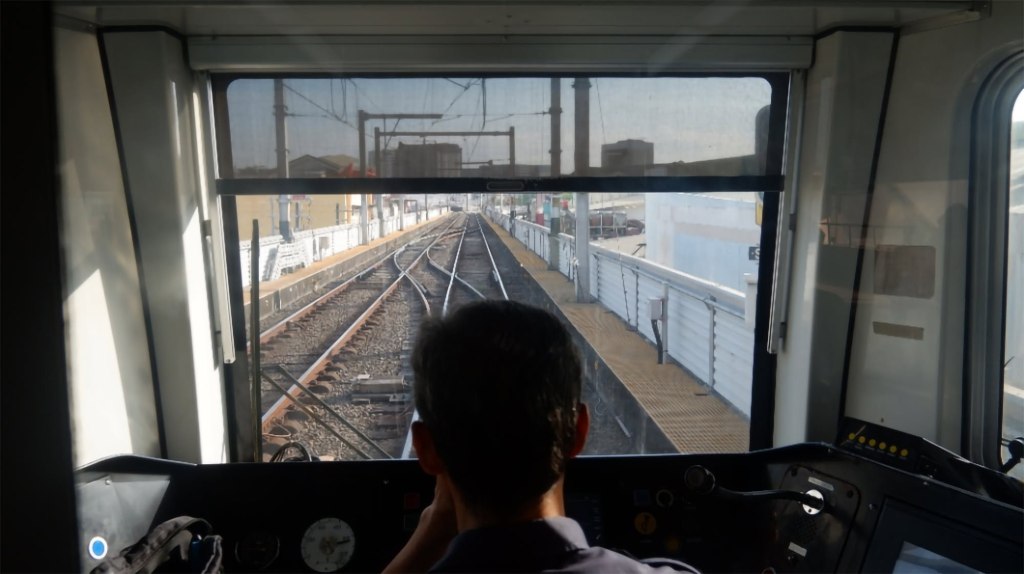
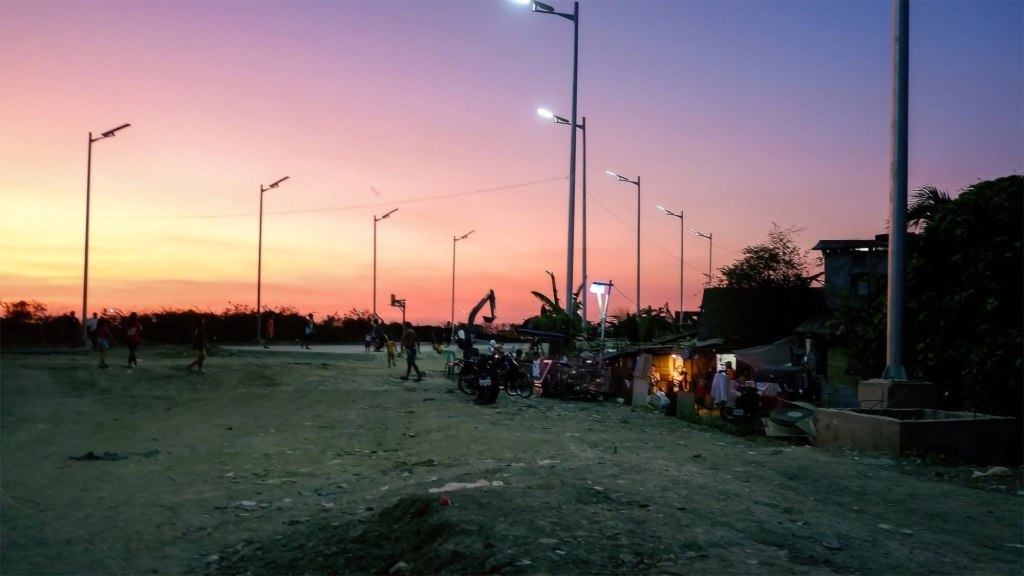
Concrete pylons and heavy construction cranes for the LRT-1 Cavite Extension rise directly above moored artisanal outriggers. The rapid expansion of state transit infrastructure encroaches on the traditional mooring areas of local fisherfolk.Makeshift “boat-houses” (mga bahay-bangka) and fishing outriggers anchored in the open bay against the distant city lights. Displaced from landward stilt settlements, several fisherfolk adapt by living directly aboard their vessels to maintain access to the sea.An interior view from inside a coastal stilt house looking through open timber framing toward outrigger boats moored in the shallow bay water. To the right, a fisherman sitting on a wooden bench repairs fine monofilament nets.A young girl stands in shallow, debris-strewn coastal water beside the bow of a wooden outrigger boat. Growing up along the polluted edges of Manila Bay, shoreline youth remain tied to the marine environment that sustains their households.A disabled fisherman sits on a plastic chair with his quad-cane and young child on the mudflats of Maliksi III. Behind them, a line of steel sheet pile walls encloses the shore, marking the onset of spatial displacement.A government official points at relocation forms during an impromptu dialogue with seated fisherfolk inside Bacoor City Hall. Coastal residents gathered to demand job security and housing clarity regarding proposed relocation slots.Women fisherfolk hold handmade cardboard protest placards reading “Laban Kababaihan” and “Pabahay Hindi Demolisyon” (Housing, Not Demolition) during a demonstration outside City Hall prior to police dispersal along Molino Boulevard.Industrial steel sheet pile walls driven deep into the mudflats physically wall off bamboo fish traps and outrigger moorings, severing the community’s direct pathway to the open sea.A bare-chested fisherfolk leader, stands atop a steel barge against a crimson Manila Bay sunset. Elevated above the shoreline, his silhouette asserts presence against the advancing coastal development.Neighbors gather along a narrow bamboo gangway between stilt houses, discussing relocation threats and spatial clearing. The tight, elevated walkways serve as vital social forums during moments of community crisis.An elderly resident pushes a heavy cart loaded with recyclable materials past an official government warning sign reading “Entering Tsunami Hazard Zone”.Local youth compete in an energetic basketball game on a neighborhood court in Barangay Talaba I, reflecting the vibrant community life that exists alongside ongoing relocation threats.Close-up of freshly harvested green mussels (tahong) packed tightly inside woven transport sacks along the Bacoor shoreline. Bacoor historically earned the distinction of Cavite’s “Mussel Capital.”A fisherman works under directional side light inside his home, meticulously repairing fine monofilament fishing nets. Maintenance of artisanal equipment remains a daily ritual for coastal families facing spatial displacement.Workers squatted on the wet concrete floor of a wholesale trading facility de-beard and sort green mussels under Manila Bay’s golden late-afternoon light.Key named portrait of local fisherfolk leader Rey standing on a bamboo pier in Maliksi III, pointing toward steel sheet barriers that cut off his community’s direct pathway to traditional fishing grounds.Children play with wooden sticks on the rubble of homes cleared by the government to make way for the LRT-1 Zapote Satellite Depot and road right-of-way expansion, framed by an official DOTr “No Trespassing” warning sign.Night view of the elevated LRT-1 Extension viaduct and storm surge warning signs (daluyong) at the junction of Las Piñas and Bacoor, marking the site of contested land acquisition and infrastructure expansion.Interior cockpit perspective looking past the train driver’s silhouette as elevated rail tracks branch forward over Cavite, suspended directly above cleared coastal settlements and traditional fishing grounds below.Adolescents play basketball at dusk using a makeshift hoop set up on the edge of a newly paved concrete road built over the former beach area, lit by LED streetlamps against a twilight sky.



Leave a Reply