

by Elmer Valenzuela
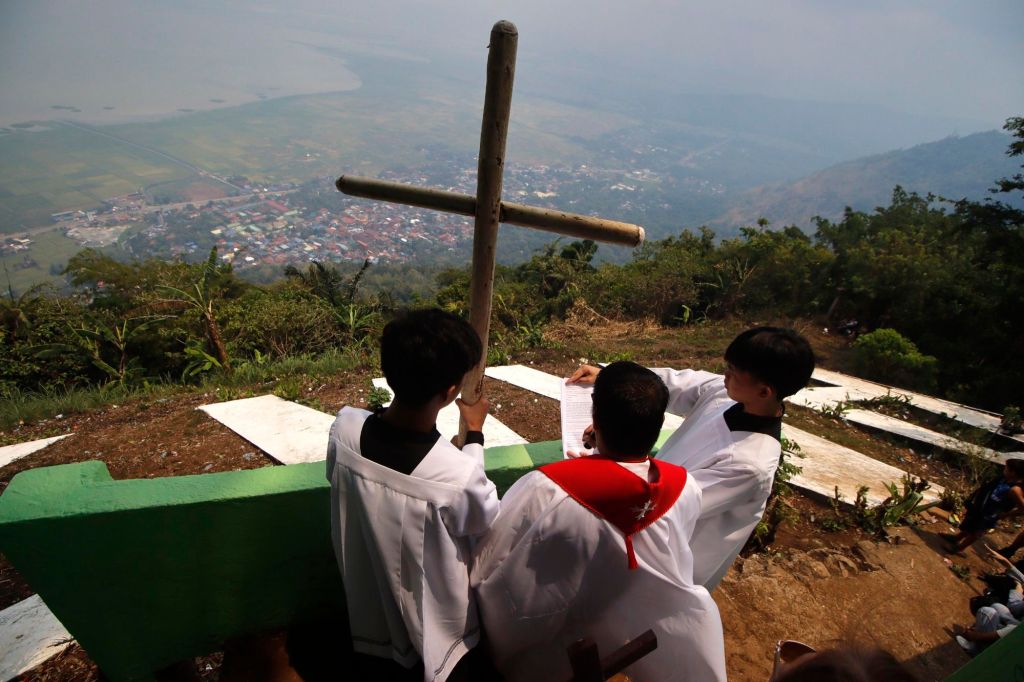
Hundreds of devotees from Pakil and neighboring towns once again made the arduous pilgrimage to the summit of Mt. Ping-as in the Sierra Madre mountain range as the centuries-old “Ahunan sa Ping-as” marked its 355th year on Saturday, May 30, 2026.

The annual religious tradition involves a 500-meter-high mountain hike through steep trails.
Along the journey, devotees carry a tree branch fashioned into a cross, symbolizing sacrifice, faith, and devotion and occasionally stop for a short prayer at all 14 Stations of the Cross (also called “kubol”).

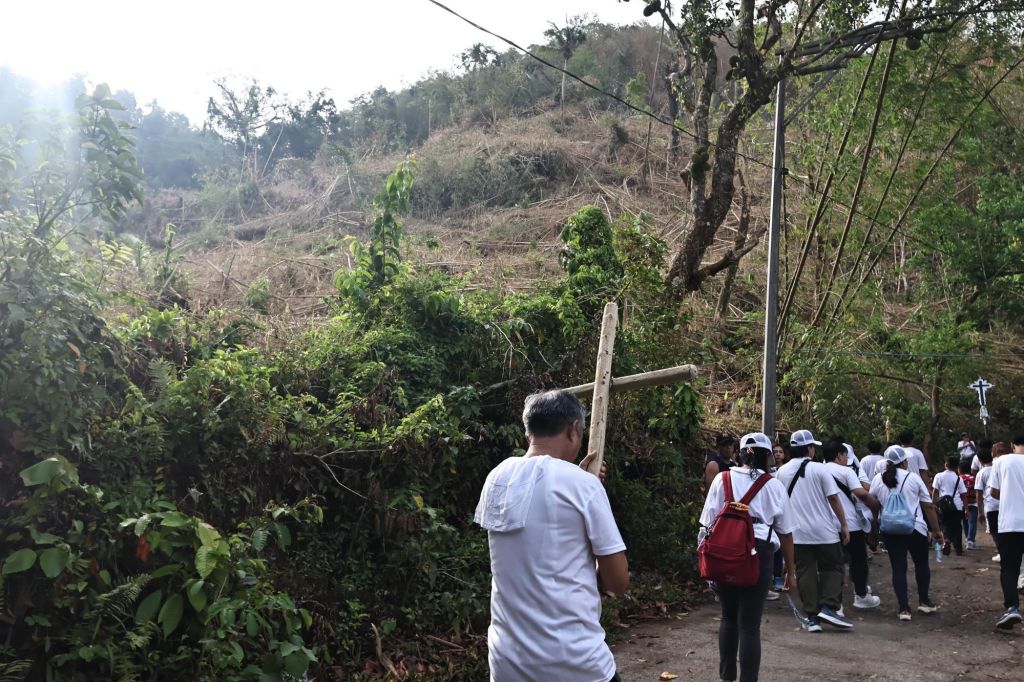

Atop Mt. Ping-as, a Holy Mass is celebrated followed by the stripping off of the wooden cross where every peeled bit is shared among pilgrims to bring home a sacred keepsake from the pilgrimage.
This year’s Ahunan, however, carried a deeper environmental weight due to growing concerns over the ongoing construction of the Ahunan Dam, a US$1.1 billion hydropower dam projected to contribute 1400MW of clean energy. The development of which, many residents fear, could bring lasting environmental and cultural impacts to Pakil and surrounding communities.
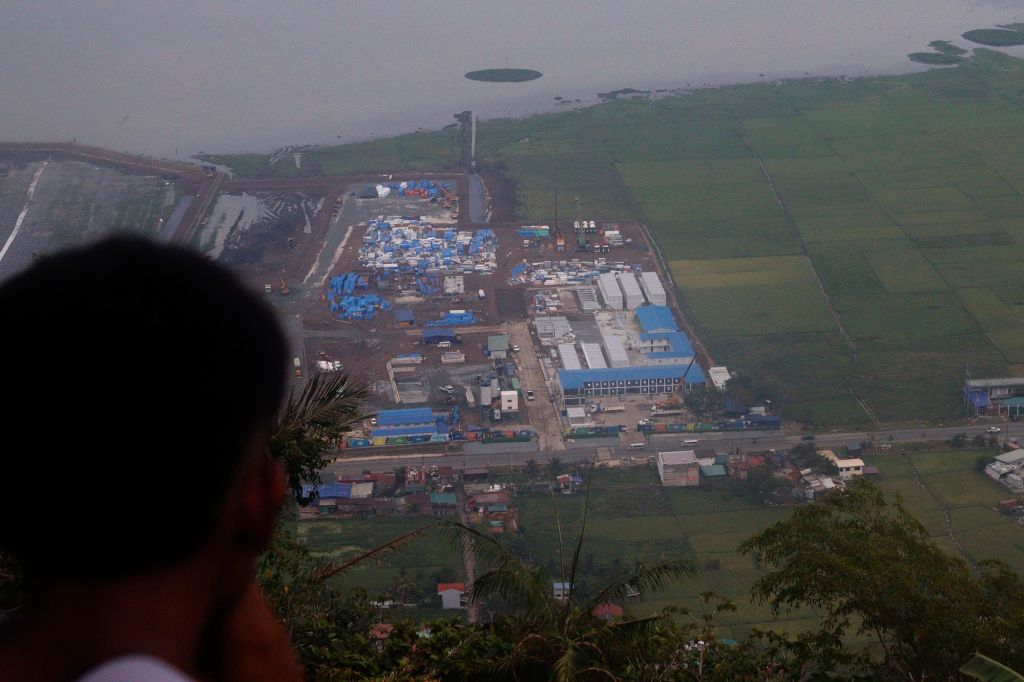
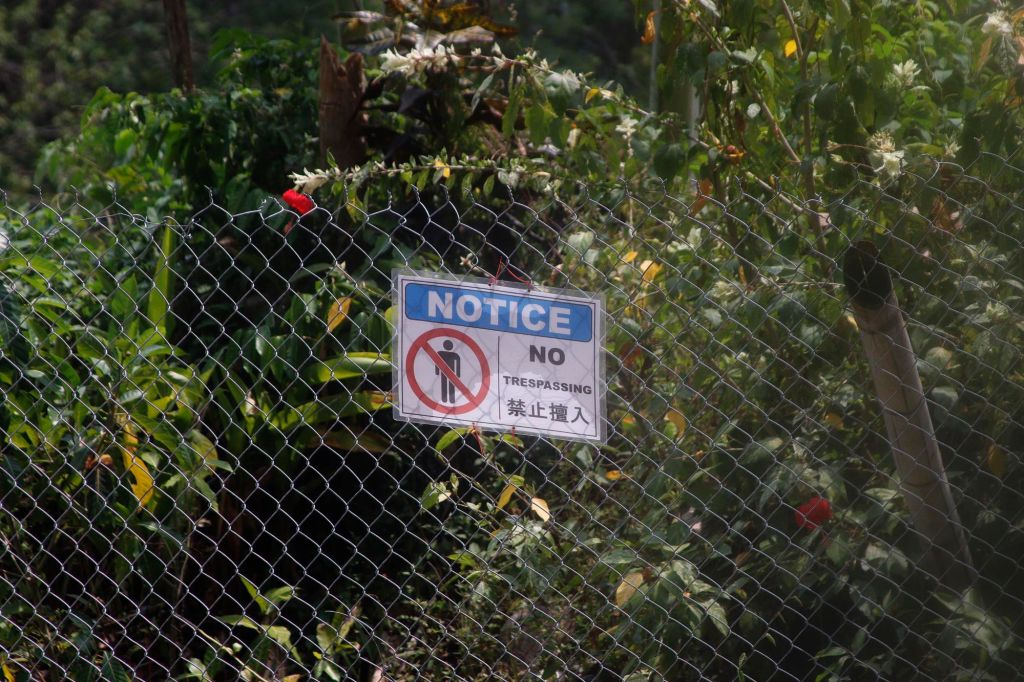

Their environmental anxieties are impossible to take no notice of during the climb. From various vantage points along the trail, pilgrims could see patches of mountain greenery that locals say have been felled or burned as construction activities for the dam continue.

Prior to the ascent, some devotees joined the “Lusong Bago Ahon” community prayer walk, a peaceful procession that wound through the streets of Pakil.
Participants carried prayers, banners, and messages opposing the hydropower project, calling attention to what they believe are threats to the town’s forests, rivers, biodiversity, and cultural heritage.
Acording to Danilo Francisco, Chairman of Committee on Justice and Peace and Integral Ecology of Laguna Economical Movement of Diocese of San Pablo, “Lusong” implies to descend or go down to the community level in an act of solidarity; to heed their struggles, and stand with them in the fight for their rights.
In “descending,” one leaves the comfort of distant or safe spaces to face the reality of threats to the environment and livelihood.
The “Ahon”, he says, refers to the traditional “Ahunan” in Mount Ping-as.

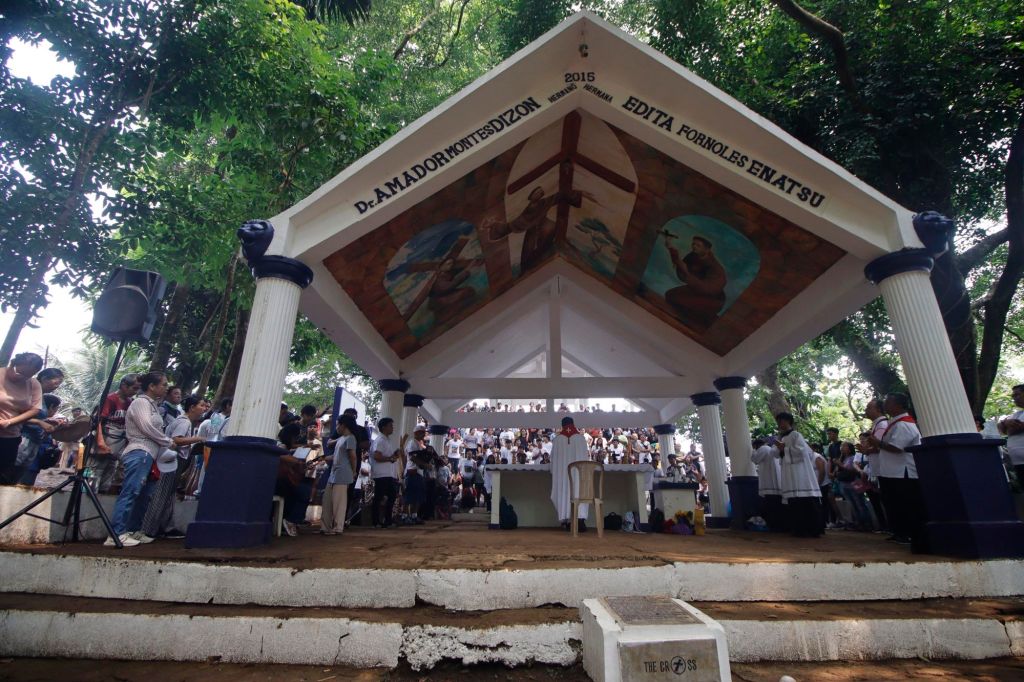

For many pilgrims, the annual journey to Mt. Ping-as is no longer solely an act of faith. It also became a solemn expression of concern for the future of the mountain and the landscapes that have shaped Pakil’s identity for generations.


Leave a Reply