
In their everyday efforts at survival, workers in the Philippines are still met with low wages and restrictive working conditions that are insufficient to equip them for rising prices of goods. Even though the country recorded a rise in employed Filipinos in 2025 with an employment rate of 96.1%, 2026 has seen a similar rise in fuel prices due to the United States (US)-Israel attacks on Iran and the latter’s consequent closure of the Strait of Hormuz, through which fuel products pass.
With Filipino workers facing obstacle upon obstacle, this year’s Labor Day protests have served as an avenue for amplifying calls to protect the workers whose struggles continue year-round.
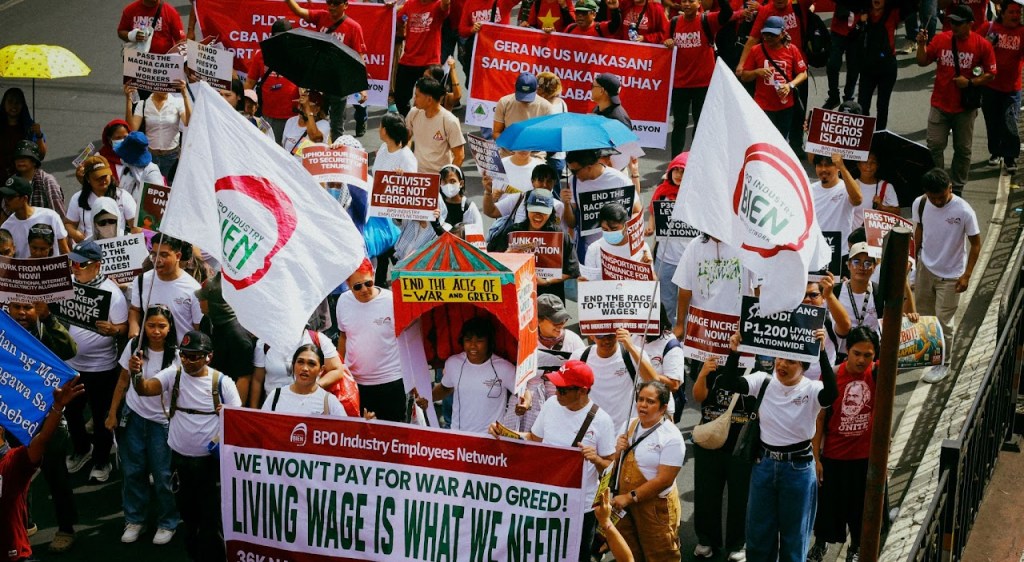
May 1 is recognized in the Philippines as Labor Day or Araw ng mga Manggagawa, a public holiday dedicated to the nation’s workers and their fight against systemic struggles. With an estimated 20,000 attendance rate according to Trade Union Congress of the Philippines spokesperson Carlos Miguel Oñate, the Mayo Uno 2026 protest in Manila is only one of the many mobilizations held nationwide on that same date as a collective push for workers’ rights and against abuses.
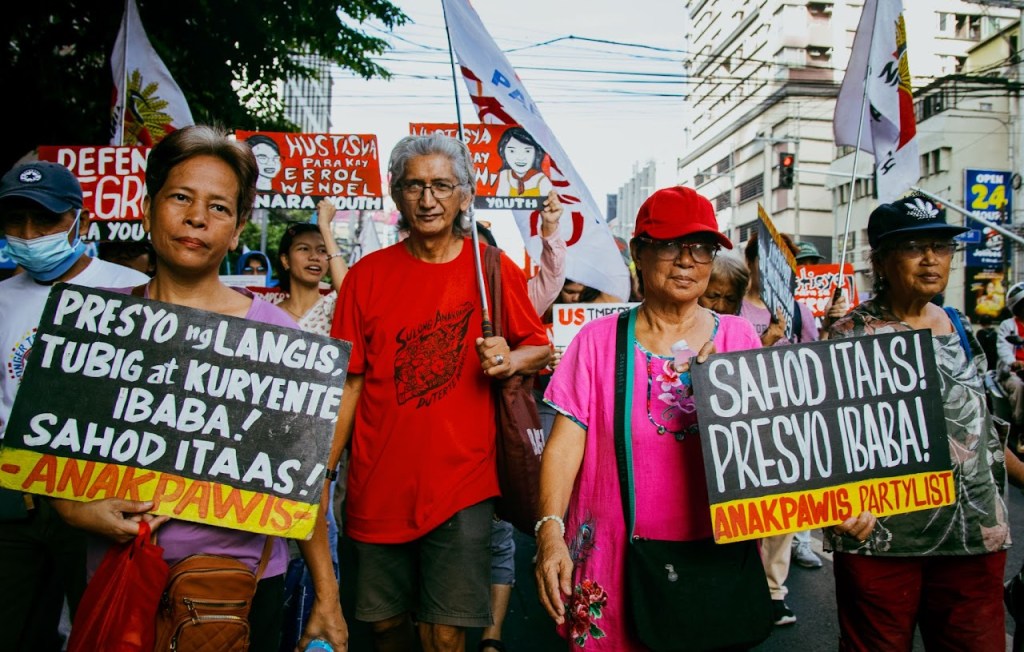
The struggle continues even beyond May 1 and into national institutions. The pictured Anakpawis Partylist is the electoral arm of the national labor alliance Kilusang Mayo Uno and the national peasant group Kilusan ng Magbubukid ng Pilipinas. A living wage is one of the demands that the partylist has long lobbied for in the House of Representatives.
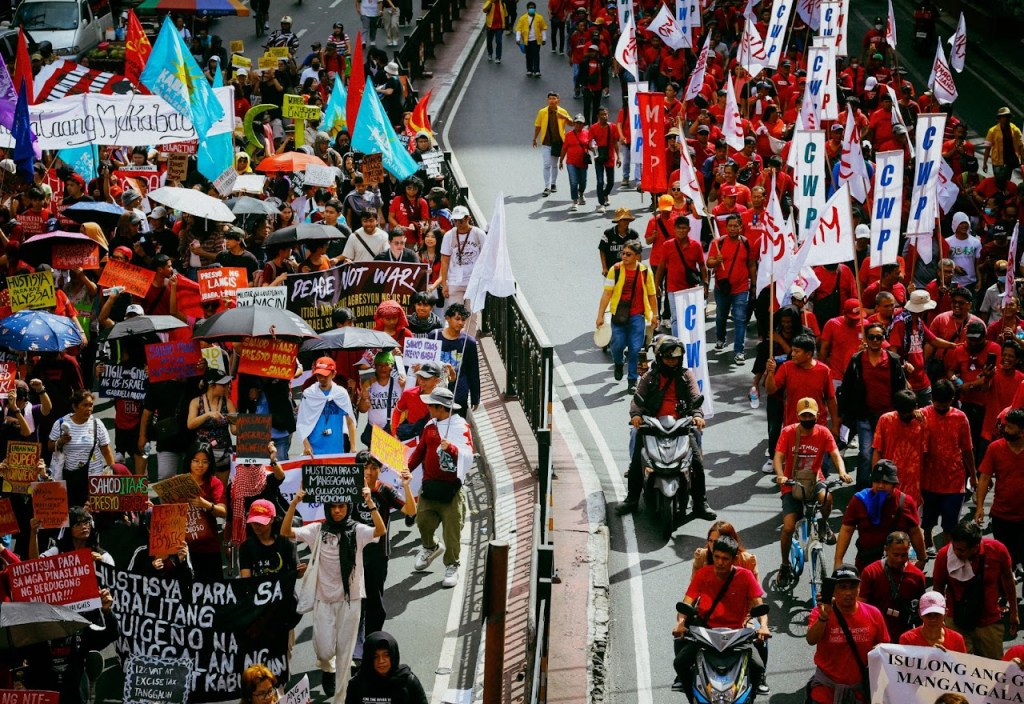
Though decades have passed since the Philippines first celebrated Labor Day, workers continue to face threats of job insecurity and unstable income. This year has also brought an unprecedented rise in fuel prices, adding another strain to the prices of goods and the plight of Filipino workers, especially those from the transportation sector.
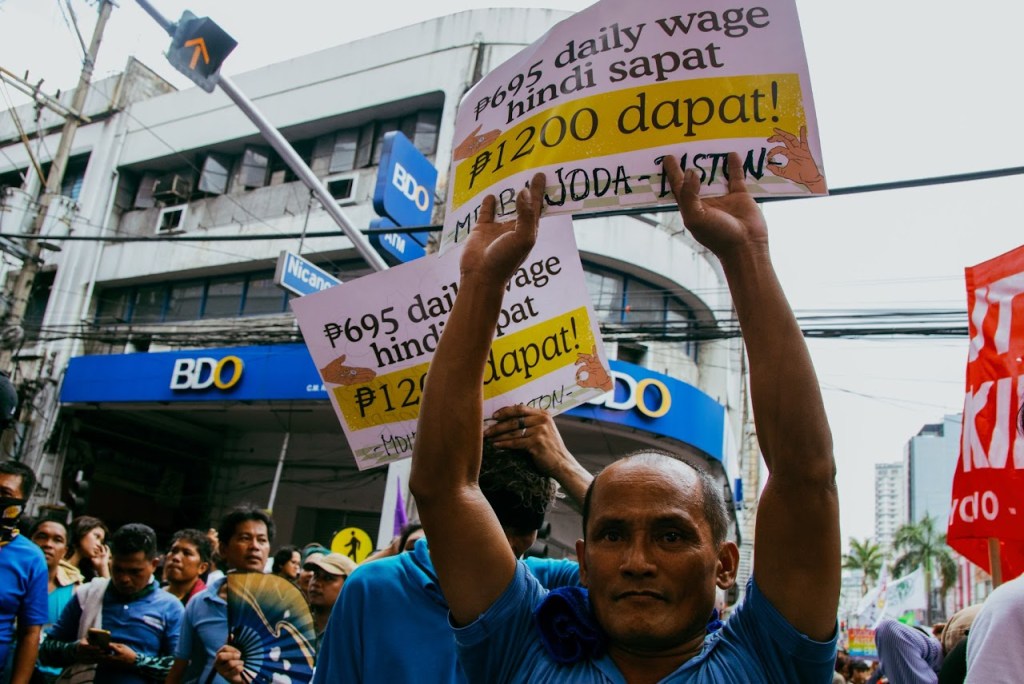
Previously, in April this year, jeepney drivers across the country staged a series of transport strikes as double-digit pump hikes driven by the US-Israel aggression against Iran pushed fuel costs beyond their daily income. At present, the transportation sector continues to call for long-term solutions that will ease the burden on riders and operators.
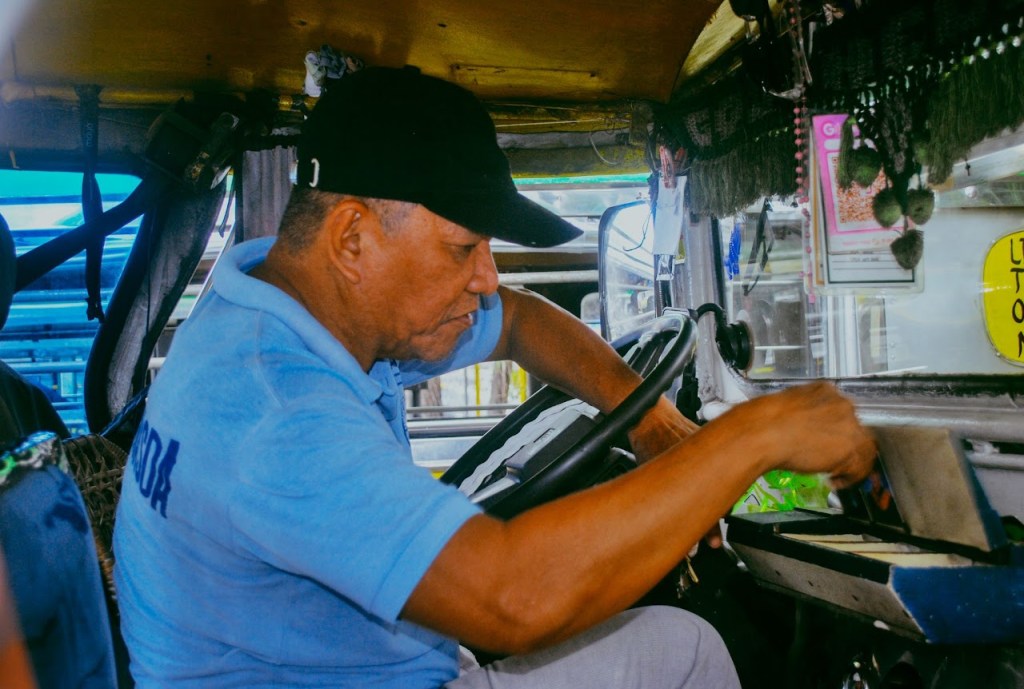
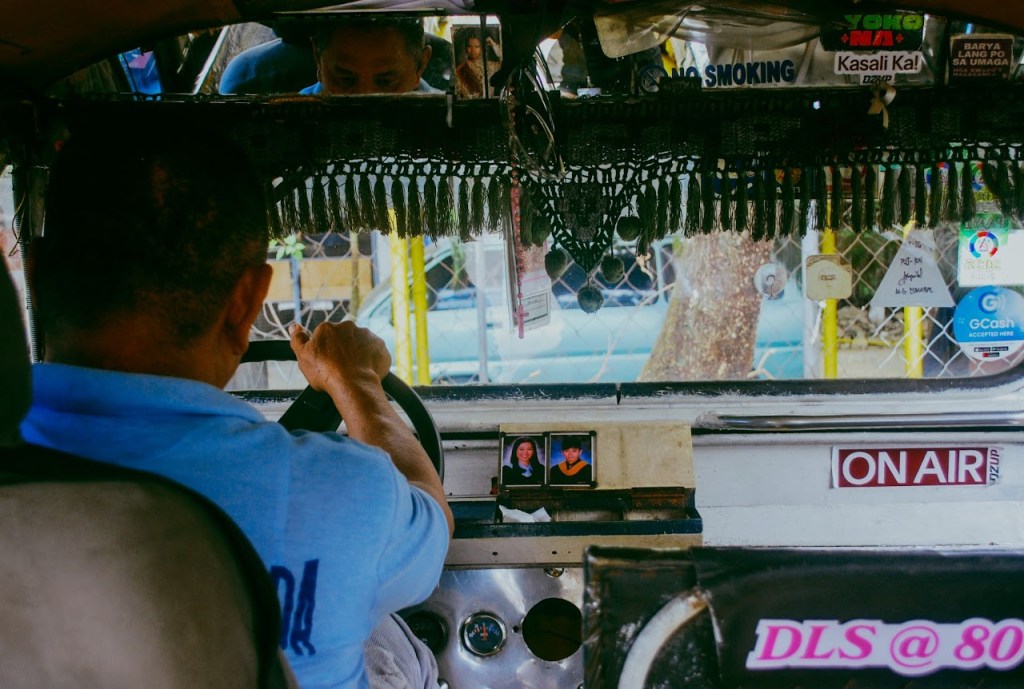
Among the many jeepney drivers affected by rising fuel prices is Nolan “Ka Nolan” Grulla. On top of his 18-year career as a driver of the UP Ikot jeepneys, he also serves the UP community as the spokesperson of the UP Transport Group. Together with UP students and faculty, he had previously helped mobilize action at Philcoa, Quezon City, to urge the nation’s leaders to address the energy crisis.
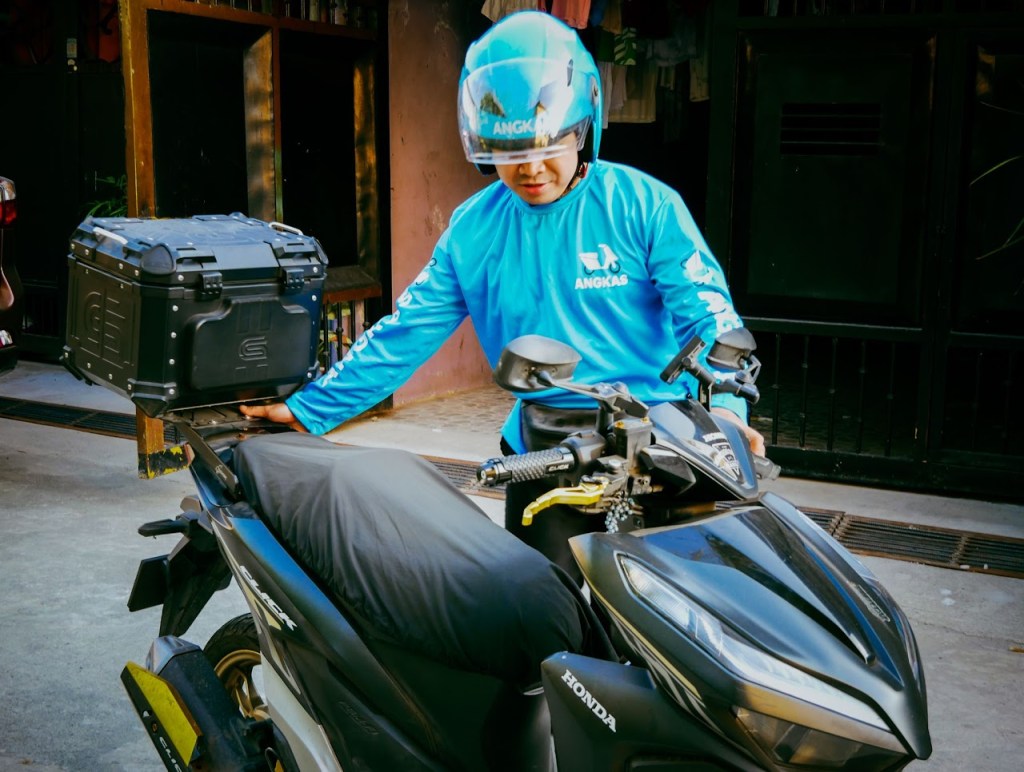
Also from the transportation sector, Kevin Bulfa has been working part-time as an Angkas driver since September 2024. When asked why he took on the job, he said, “Since may motor ako, why not pagkakitaan?”


In contrast to drivers who live day-to-day on commuters’ fares, contractual workers are bound by contracts for a fixed period of time. This holds them back from regularization and benefits like life and medical insurance, housing loans, and bonuses. This threatens not only their stable income but also their job security.
A coined term, “Endo,” short for end-of-contract, has been a widely criticized tactic of companies to hire workers for a short period of time and thus prevent them from reaching tenure.
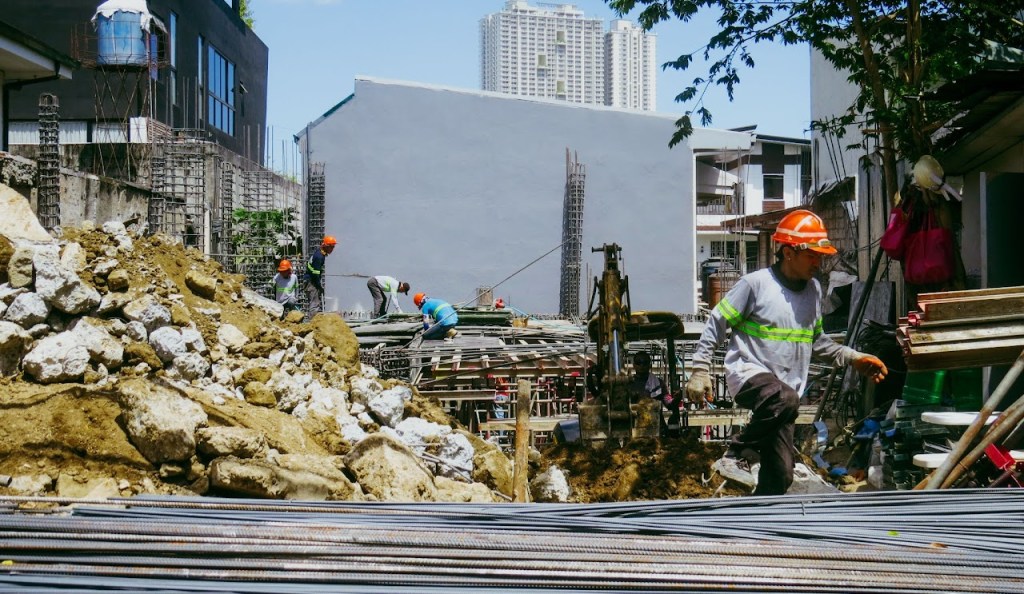
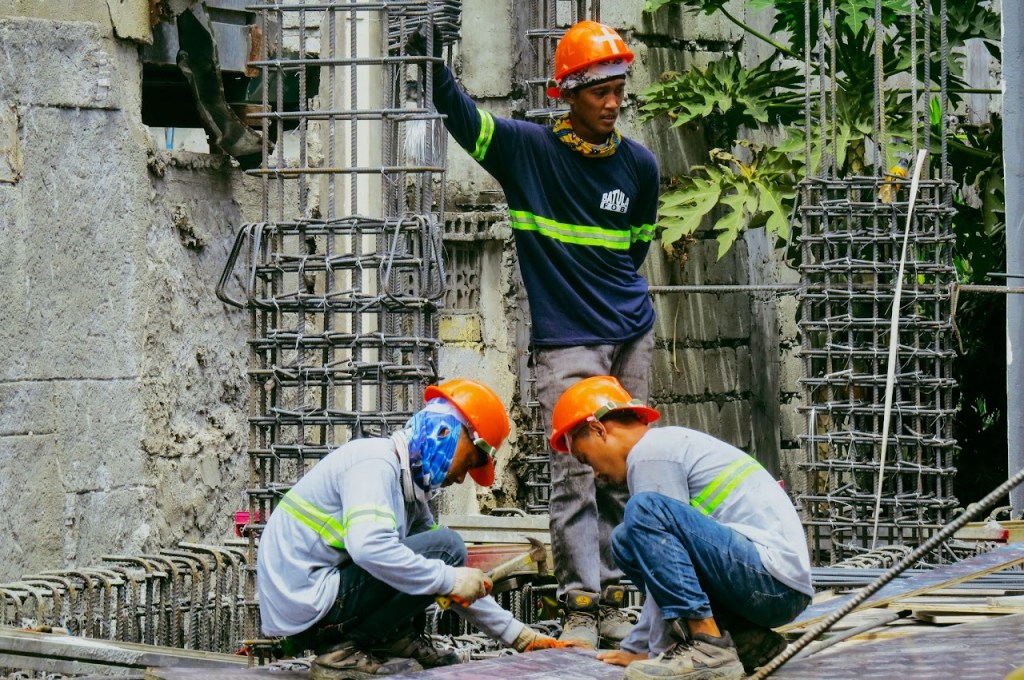
The engineer-in-charge of the team, QA/QC Engr. Crystaliza Alvarez mentioned receiving little to no support from the government.
“Sa mga ospital… ‘yun ‘yung ramdam namin. Pero ‘yung sa ibang mga benefits, wala masyado,” Alvarez said.
Amidst rising inflation rates and prices of goods, limited wages – like those that the construction workers will be receiving – may push contractual workers to take on more than one job to make ends meet.
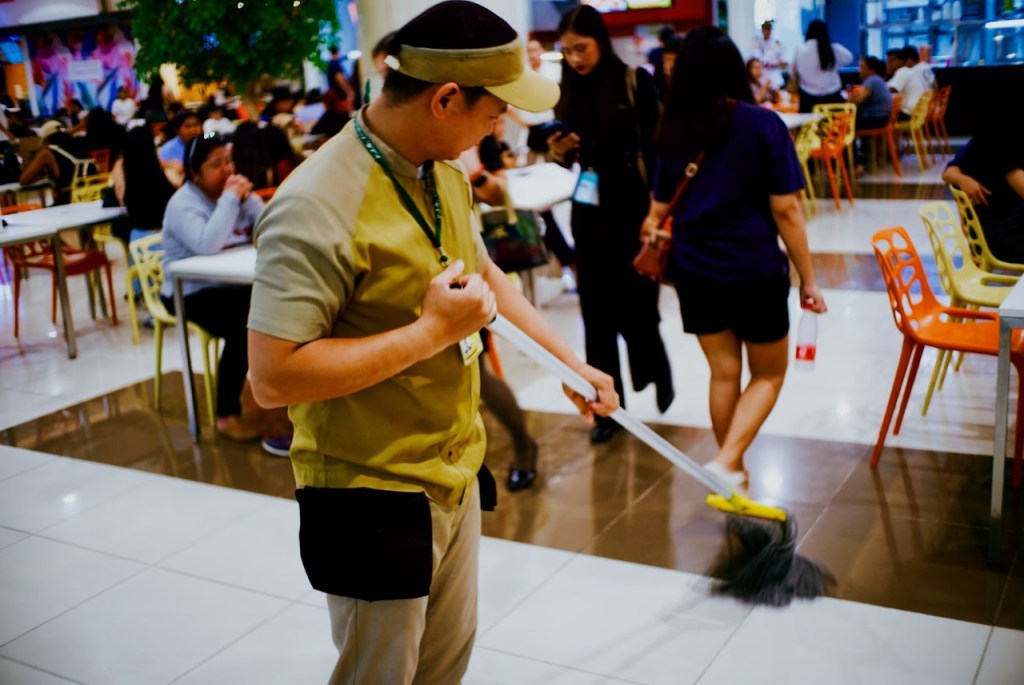
28-year-old Kyle is one such worker who works two jobs: one as a mall janitor and another as a food delivery service rider. On top of receiving minimum wage without benefits, he has also felt compelled to lessen his hours delivering food due to the recently increasing oil prices.
“Kalahati ng kita, napupunta na lang sa gas eh,” Kyle said. “Sana bumalik sa dati.”
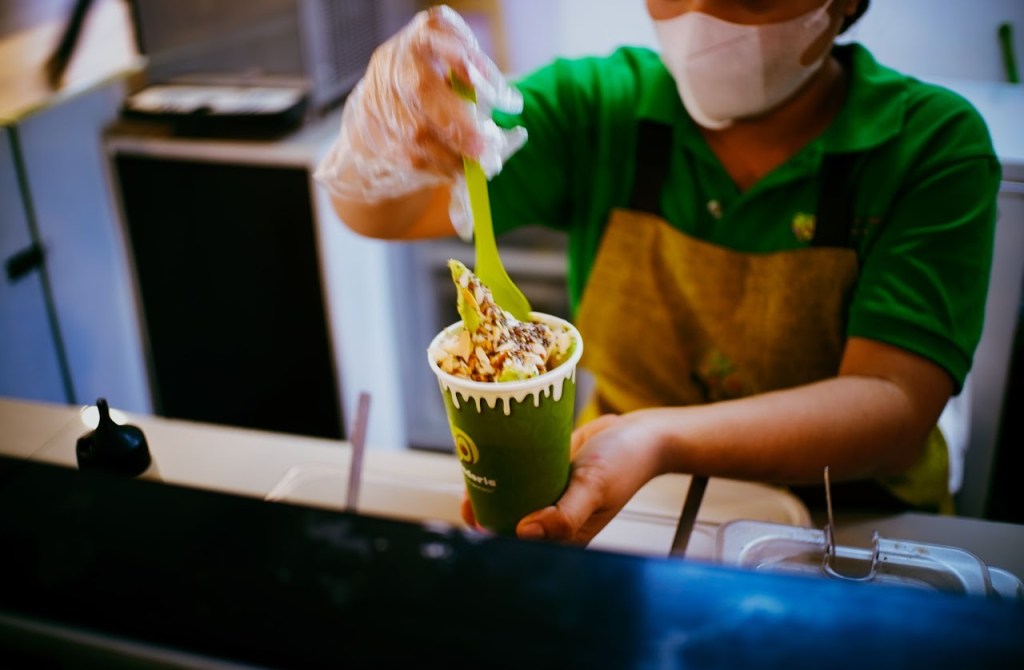
Similar to Kyle, Angel works as an employee of a dessert chain while simultaneously running an online business with her husband, selling e-bike parts. Previously, she focused only on their online business until she began looking for a more stable source of income.
“Pinag-iipunan para sa future…para mapagtapos anak ko,” she expressed. “Iba pa rin yung sigurado at may maiipon.”
Being a contractual employee, she still faces uncertainty regarding her regularization despite having already worked at the dessert chain for 6 months.
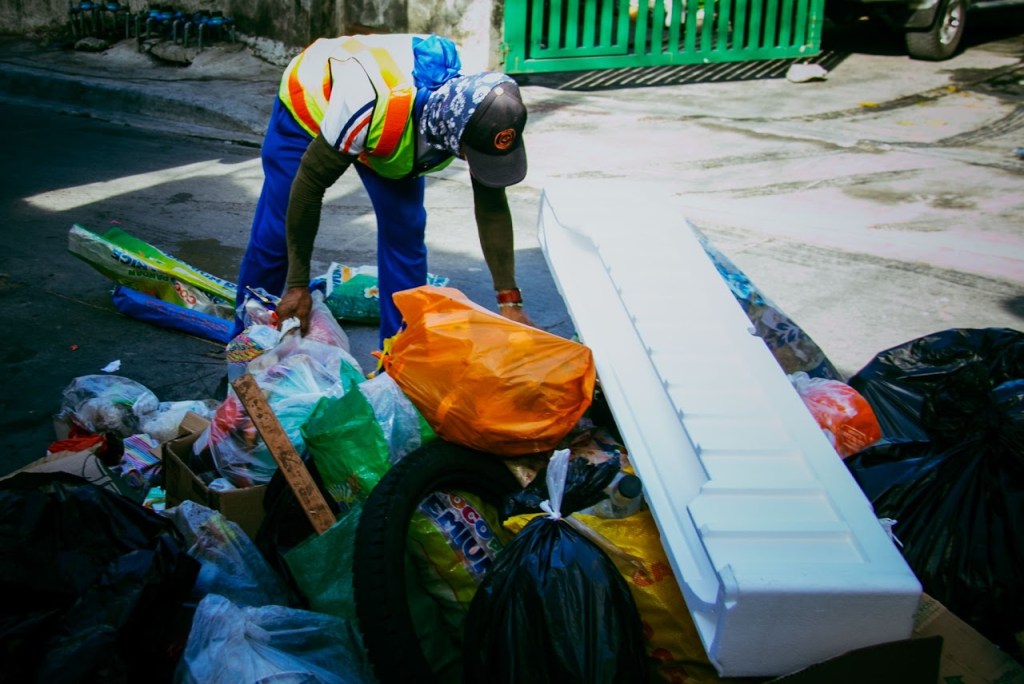
Others who are less fortunate do not have the leisure to split their 24 hours between two jobs. Among them is Danny Delbarrio, who has been a garbage collector for over 20 years. He spends his days collecting waste out in the open from dawn until dusk, making it difficult for him to find another job to supplement this single source of income.
This has been his reality for more than 20 years, where he only earns around Php 2,000 to Php 3,000 every week.
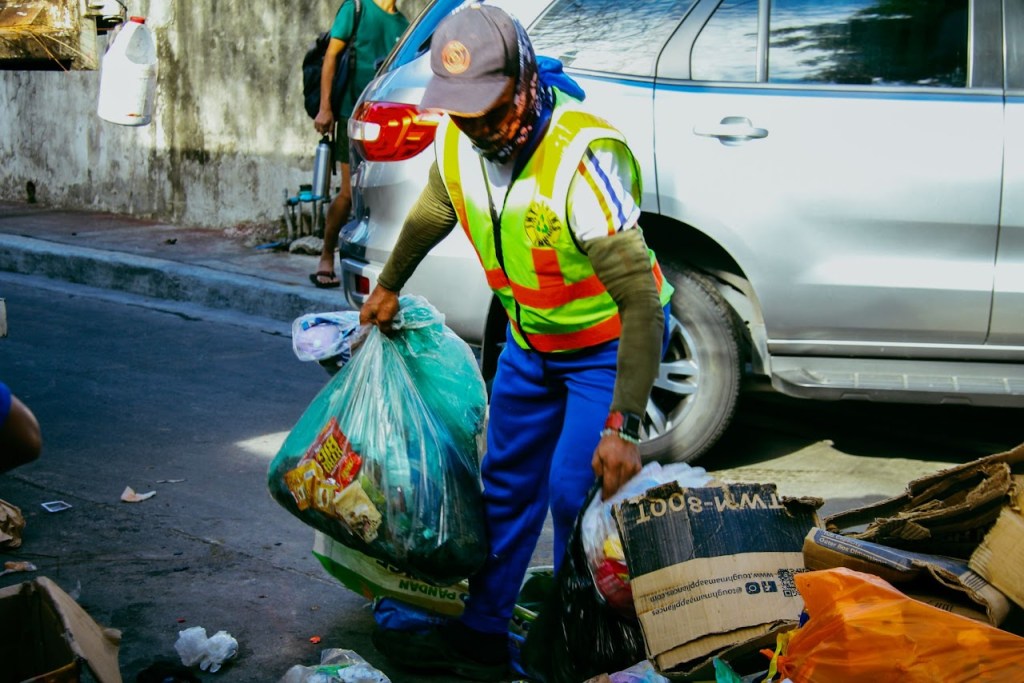
Danny finds it difficult to stretch his weekly wage of Php 2,000 to Php 3,000 thin enough to keep his family of five afloat. This amount is far from enough to cover their basic needs, such as food, water, and electricity. It is insufficient, but he could only keep pressing on, motivated by his desire to provide for his family.
“Kulang pa nga, eh,” he lamented. “Kaso pinag-[tatiyagaan] na lang namin.”
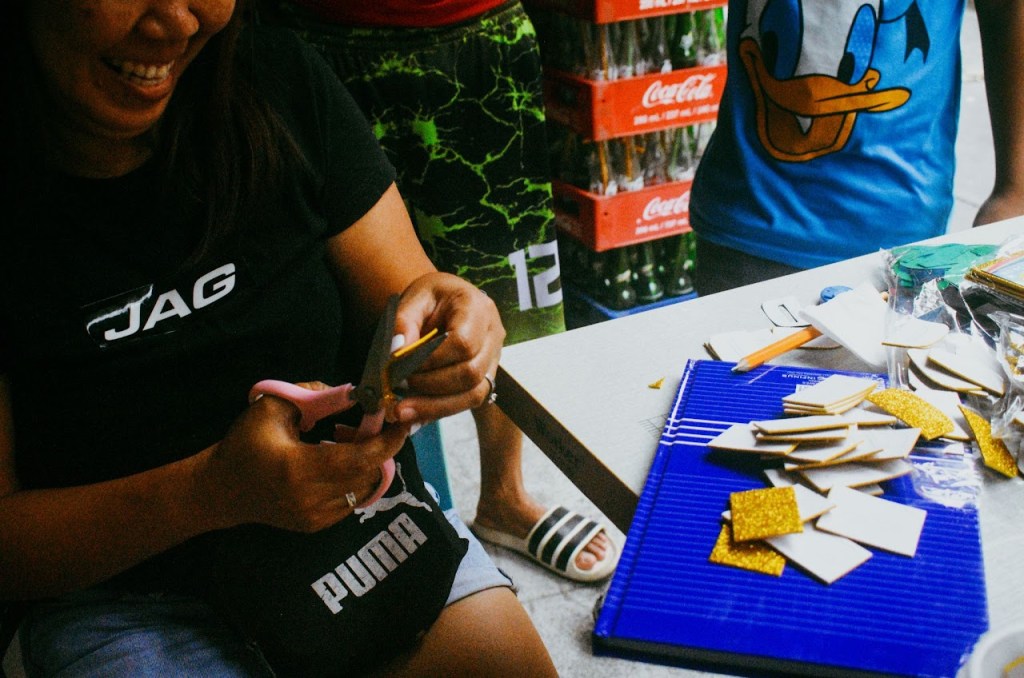
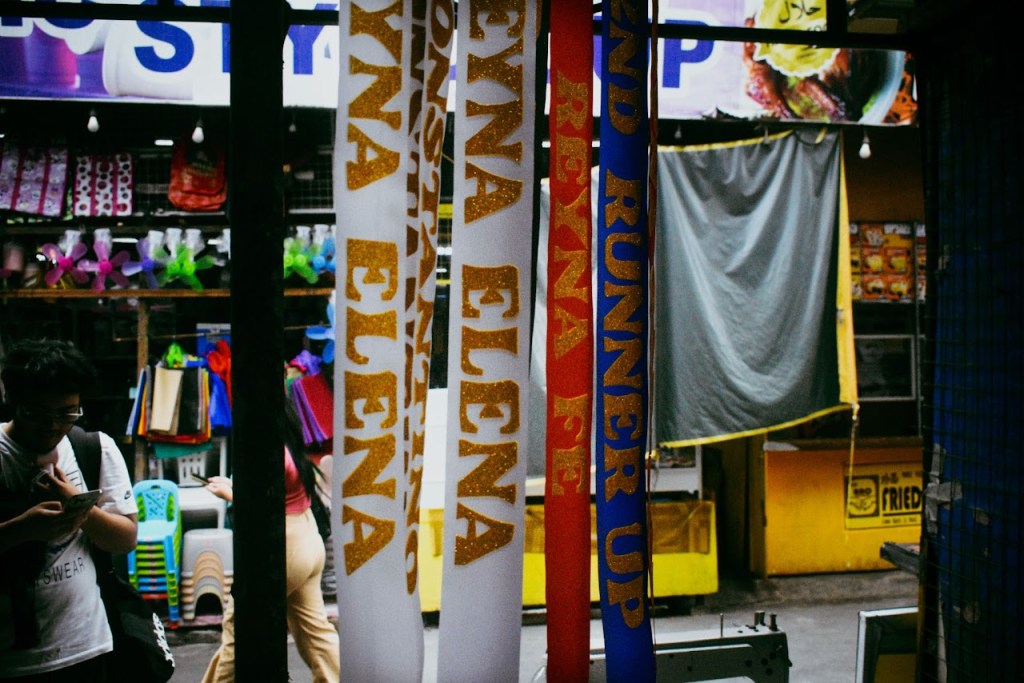
Entrepreneurs are not constrained by wages but also face significant challenges. With an already-unstable income, the added factor of rising commodity costs directly reduces entrepreneurs’ profit margin from their products. Like contractual employees, entrepreneurs are further left vulnerable by not being entitled to benefits such as health insurance, paid leave, or retirement funds.
Surrounded by fellow sellers who also witnessed the same large-scale fire at Commonwealth Market, party needs and accessories seller Len is determined to continue her career as an entrepreneur.
When asked who helps man her new stall, she simply says, “Kami-kami lang.”
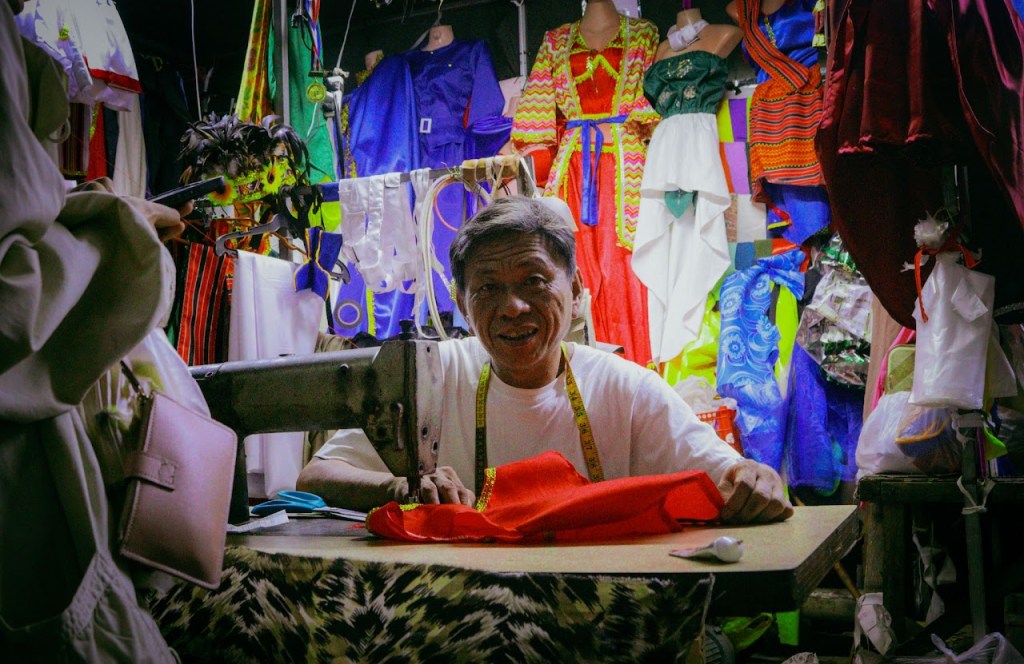
Similar to Len, other workers also find themselves rebuilding their livelihoods following unexpected setbacks. An example is Caloy, a former pipe welder, who now also displays his handicraft skills by sewing in a tailor shop. He earns a fixed salary of Php 480 a day at this tailor shop owned by his friend.
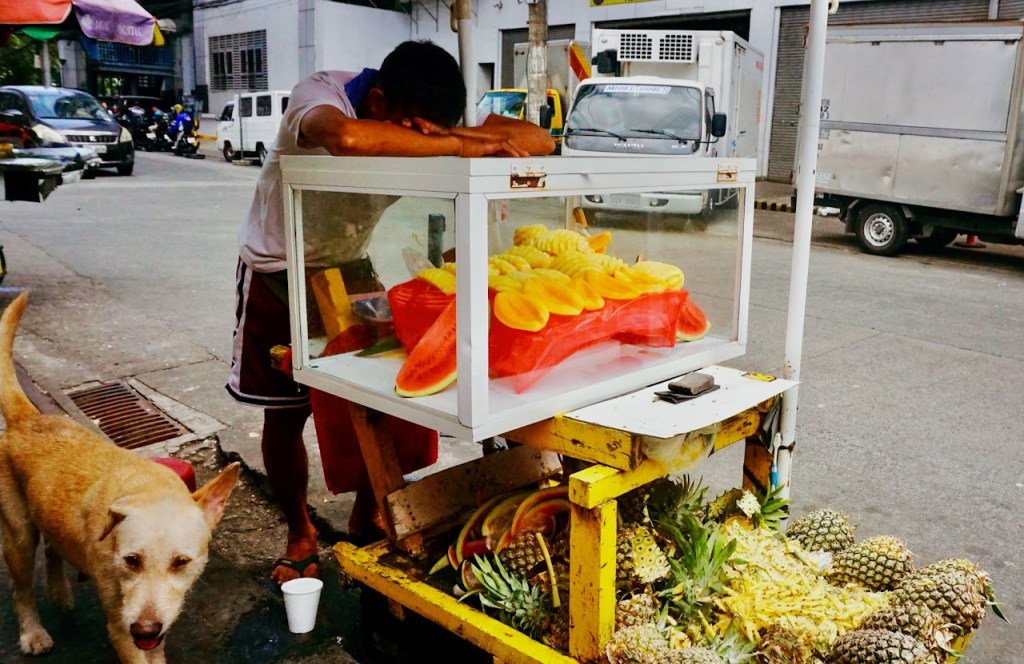
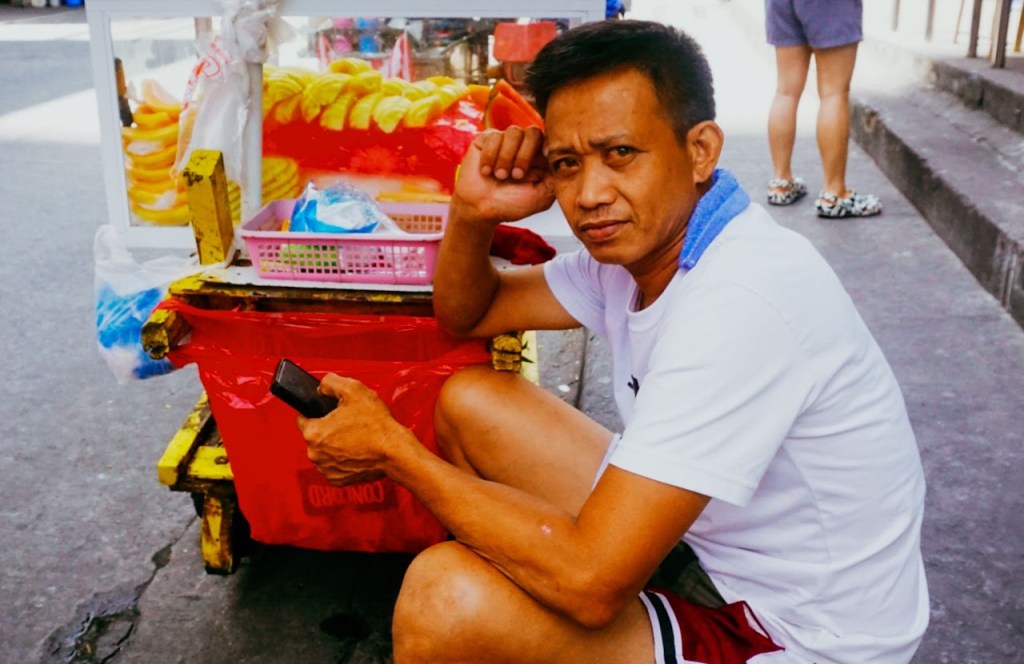
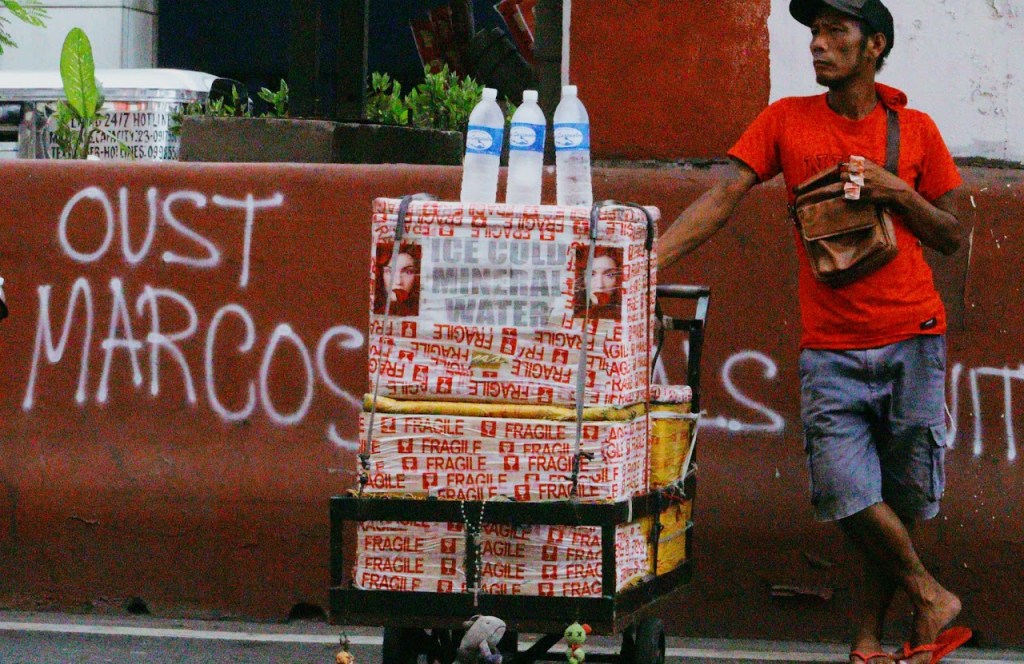
Other vendors don’t sell their handmade products but retail goods, as in the case of Renato, who spent Labor Day selling bottled water at the Mayo Uno protest. Like many informal vendors, he depends on large crowds, such as those that gather during protests, to earn money for the day. His income is therefore unpredictable, being dependent on the event turnout and duration.
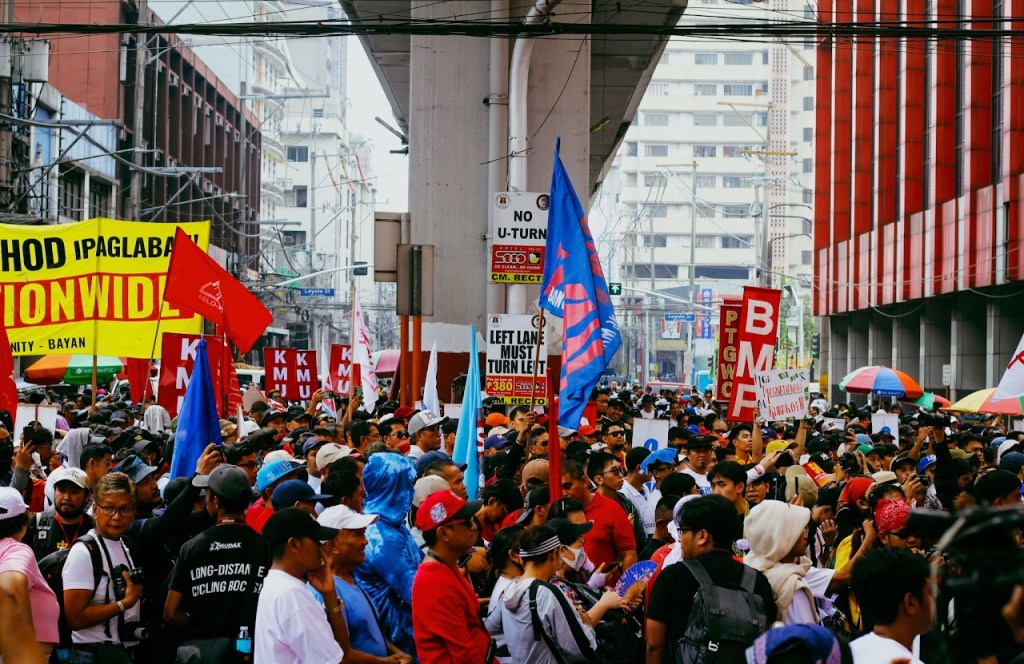
These individual struggles reveal a larger issue in the country’s current labor market, where insufficient living wages and underemployment have rendered workers unable to meet the rising cost of living.
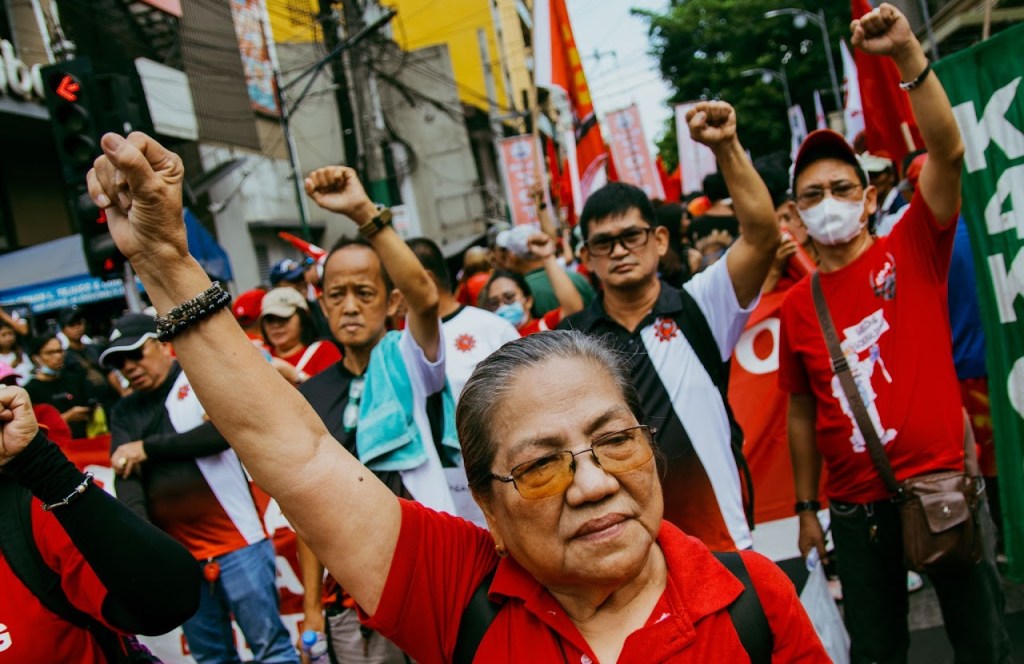
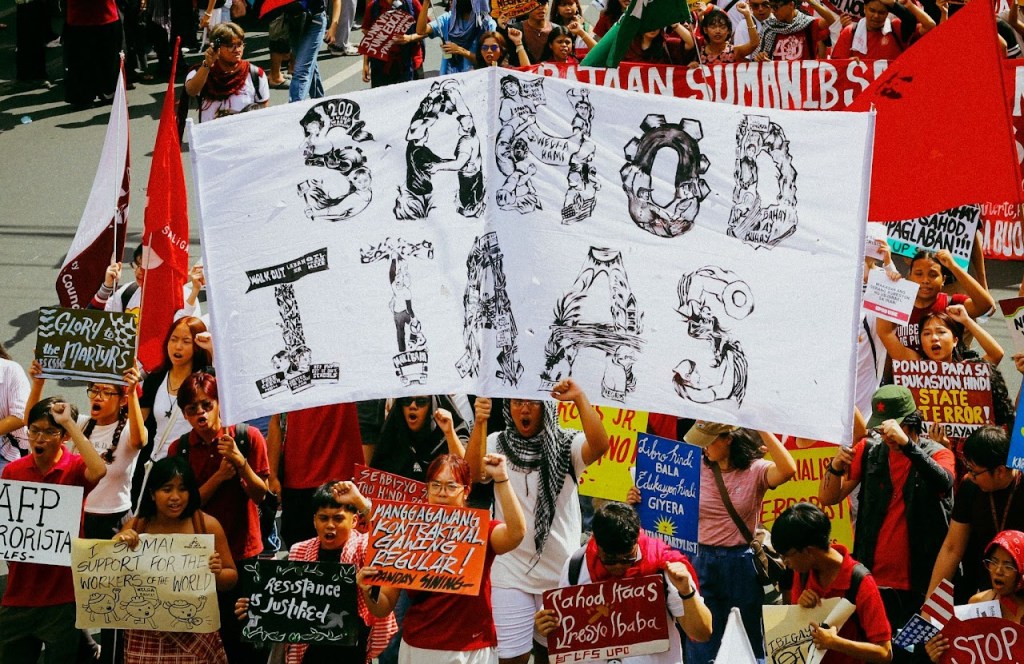
June is fast approaching, but the calls of different labor sectors from Mayo Uno continue. As the weeks and months move forward, their voices continue to remain unaddressed, leaving workers—whether drivers, contractual, regular, or self-employed—uncertain about what the future has in store for them.
This is a struggle that extends beyond a single-day protest, but is a daily reality for many workers who continue to persevere with the hope that by the next Mayo Uno, their voices no longer dissipate in the streets of Mendiola, but are reflected in the policies and long-term solutions that our government is yet to establish.
 Mata: Asia Press Photo
Leave a comment