[Winner of the Honorable Mention Award in the Photo Essay Category of the Supreme Court of the Philippines 125th Anniversary Photography Contest, 15 June 2026. – Editors]
The shoreline of Barangay Sala in the town of Balete, Batangas, is bountiful and rich in tawilis. According to studies conducted by Mutia et al. (2013) and Mutia et al. (2018), it is one of the important spawning grounds for the species, where water temperature is suitable and zooplankton food sources are abundant for the young fish. With an area covering 225.16 hectares of spawning ground, it is mapped by ArcGIS as the largest in the eastern side of Taal Lake and is considered a vital part of the Taal Volcano Protected Landscape (TVPL).
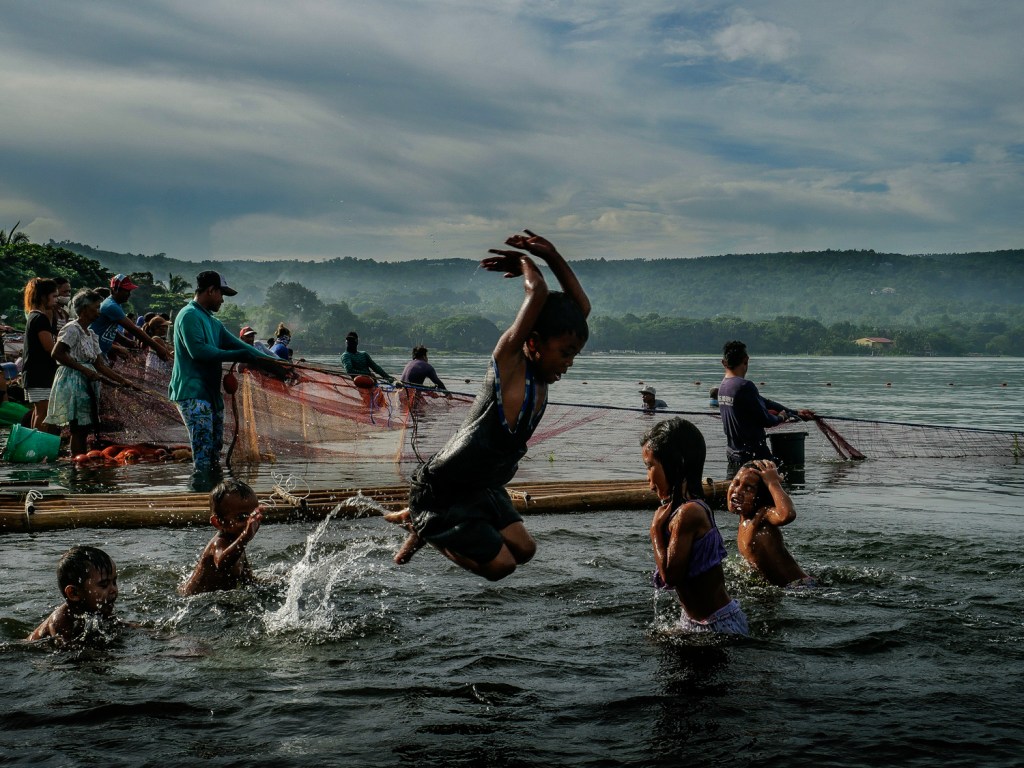
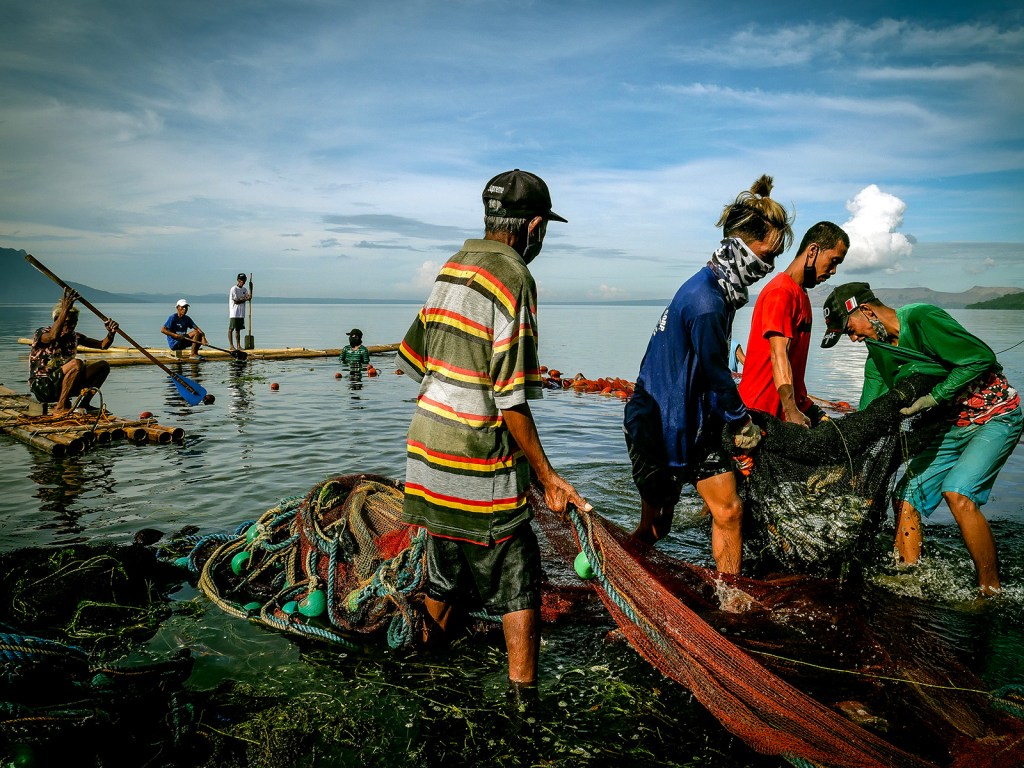
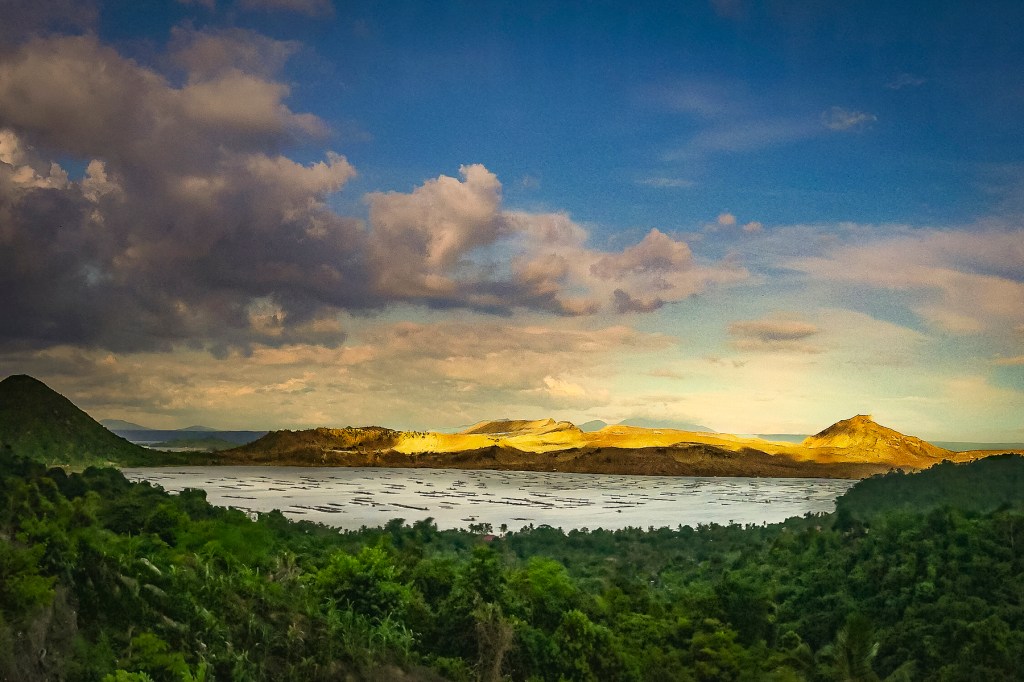
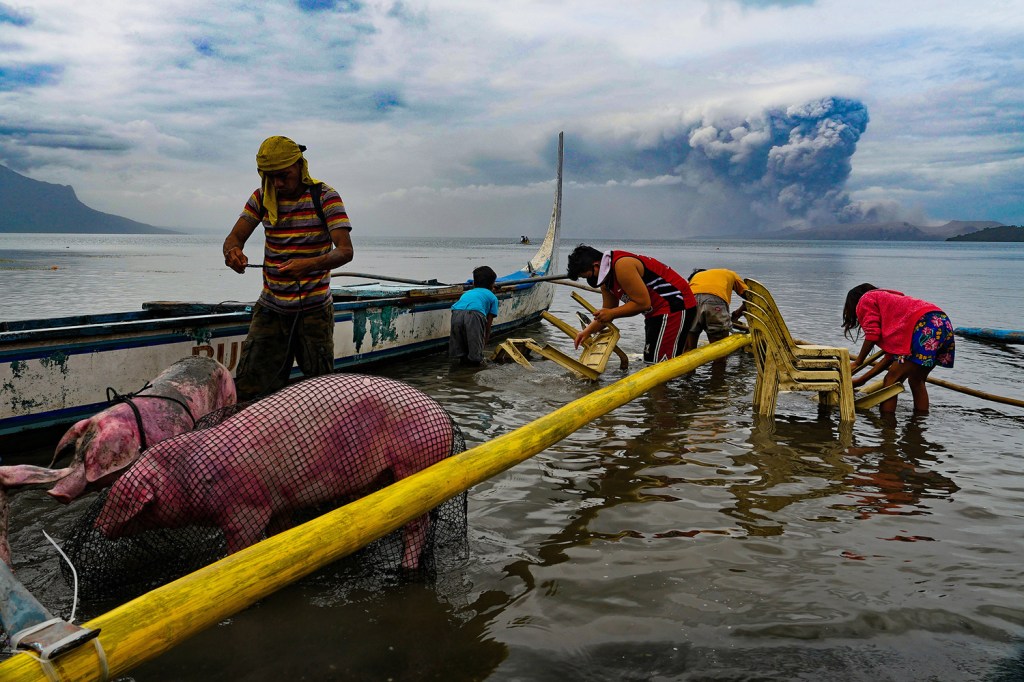
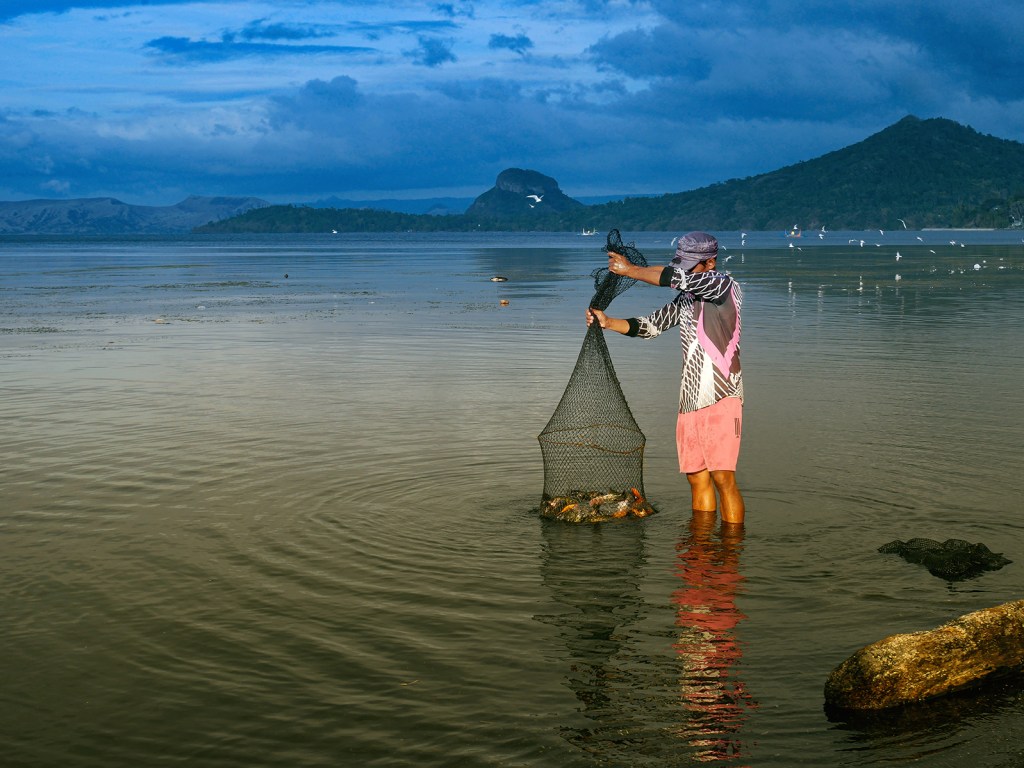
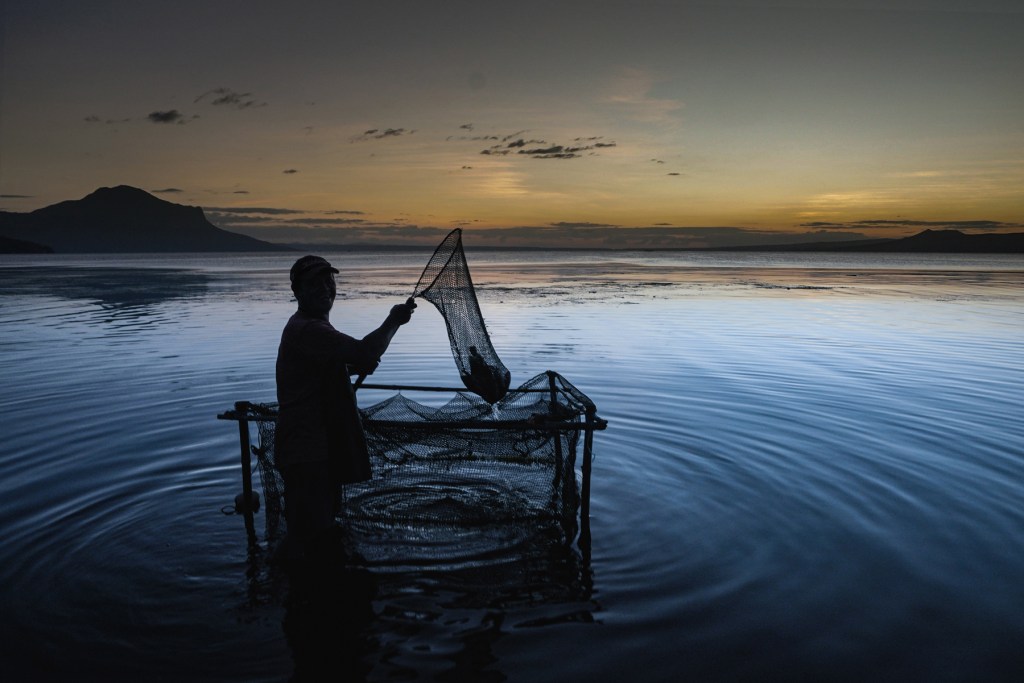
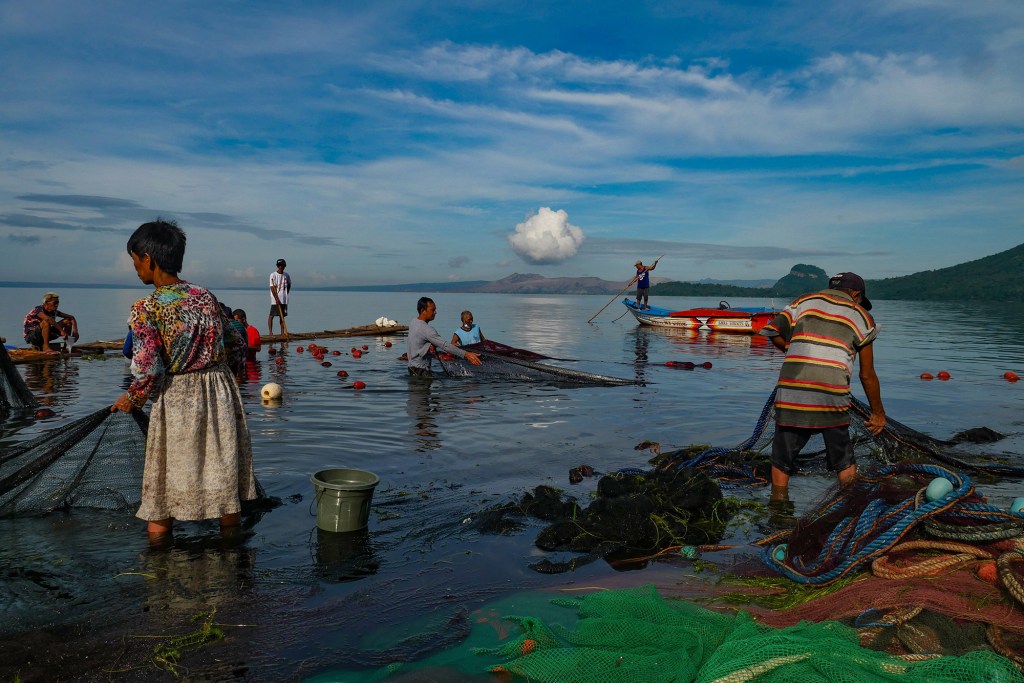
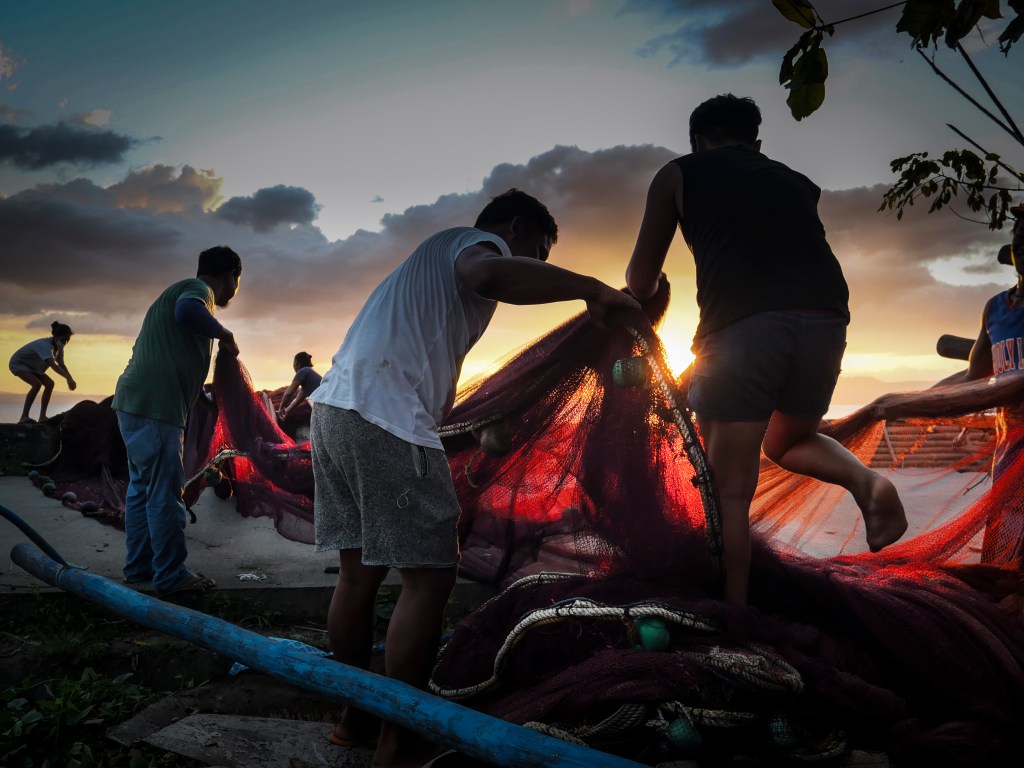
Children frolicks in the water during a “pukot”, an activity wherein the community of fisherfolks drag a huge net a few meters from the shore to catch tawilis, a kind of sardine endemic to Taal lake, shot in the morning at the lakefront of Balete, Batangas, 22 September 2020.Fisherfolk work in tight coordination along the shore to pull and secure the heavy, communal nets used for trawling tawilis. This collective labor reflects a deep-seated tradition of community resource management, a self-regulated system built on shared responsibility and mutual survival that is systematically dismantled when public infrastructure replaces historic fishing grounds. Shot at the shoreline of Barangay Sala, Balete, Batangas, September 2020.Light from the afternoon sun breaks across the volatile topography of the Taal Volcano landscape, framing the sprawling network of fish cages that increasingly dominate the open water. This vast aquatic arena represents the very epicenter of the conflict, where top-down tourism roads and intense aquaculture pressures squeeze the traditional, self-sustaining shore communities out of the lake’s delicate ecological equation. Shot from a vantage point in Boso-boso, Laurel, Batangas, June 2022.A family cleans and salvages whatever possession brave men had brought from the island volcano still raging with earthquake, eruption, and smoke, Balete lakeshore, 13 January 2020. Taken in the morning after the initial explosion, these people went back to their homes and get whatever goods they have despite warnings and prohibitions from authorities. These people do not just let their hard-earned “atikha” or produced goods go into waste, they maintain their good shape and usability so much so that around Taal Lake, there are quite few of discarded things left to rust and dust, some are rebuilt or repurpose accordingly.A local Sala, Balete resident stands in the shallows of the lake, lifting a cylindrical net to inspect a catch of live tilapia intended for visitors and community guests. The image documents the small-scale, entrepreneurial fishing practices of the lakeshore community, showcasing how residents utilize their proximity to the water to preserve the freshness of their harvest. Photo by Joel Mataro in Balete, Batangas, June 2, 2022.
The fisherfolk of Sala have a long-standing traditional attachment to their shoreline. This attachment is deeply rooted in the lake’s history, as the tawilis population adapted to the freshwater environment after the 1754 eruption of Taal Volcano, which separated the lake from the sea. For the communities around the lake, their culture, economy, and identity are intertwined with the lake’s unique ecosystem and the species it sustains.
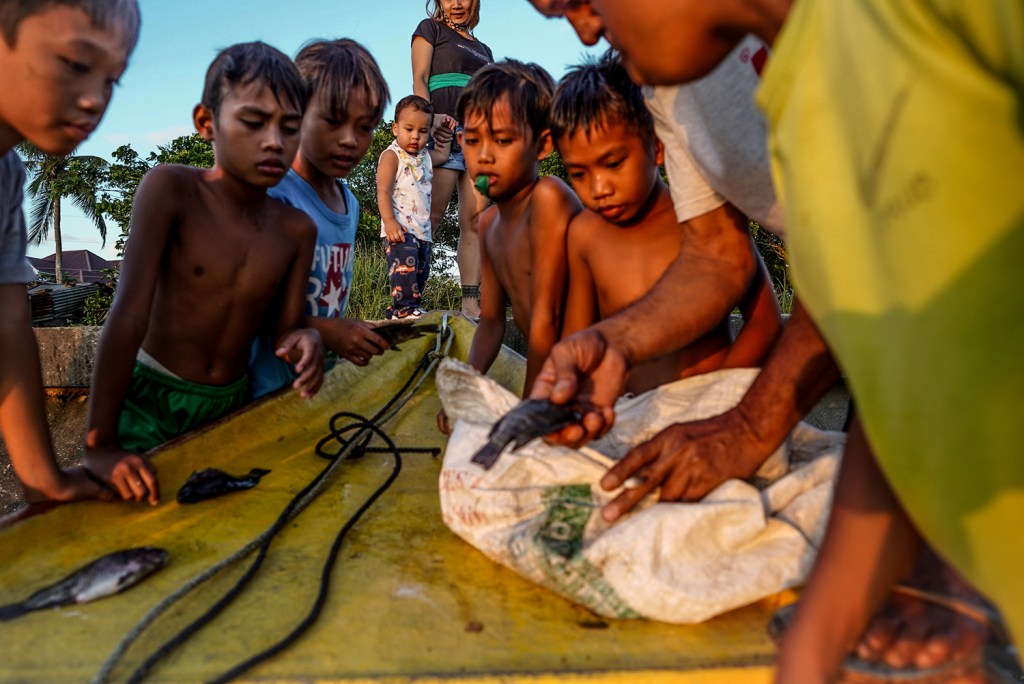
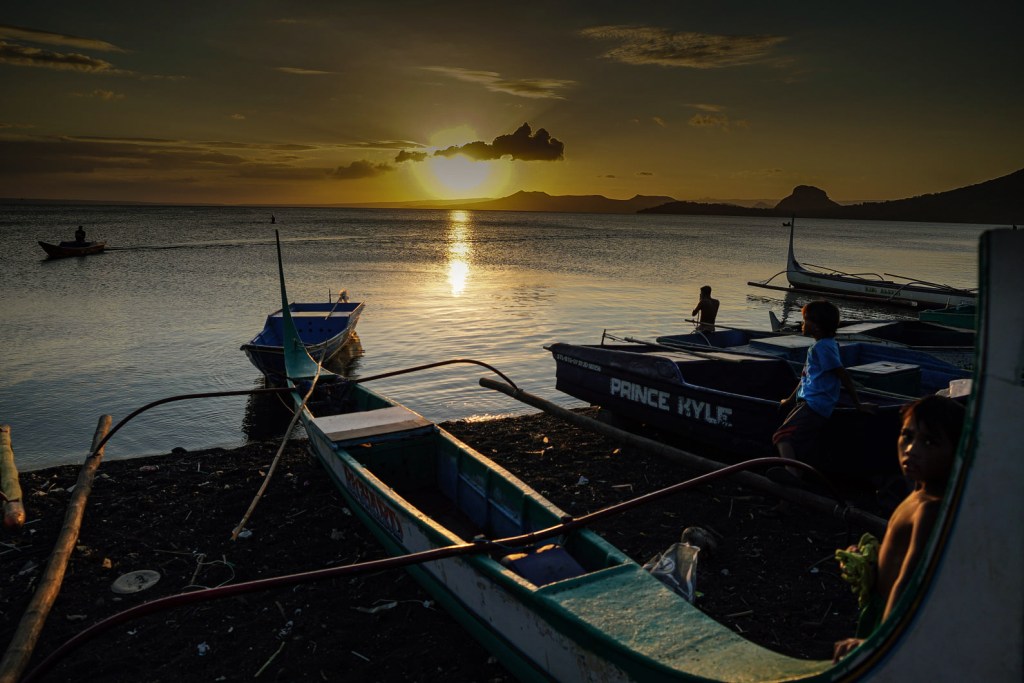
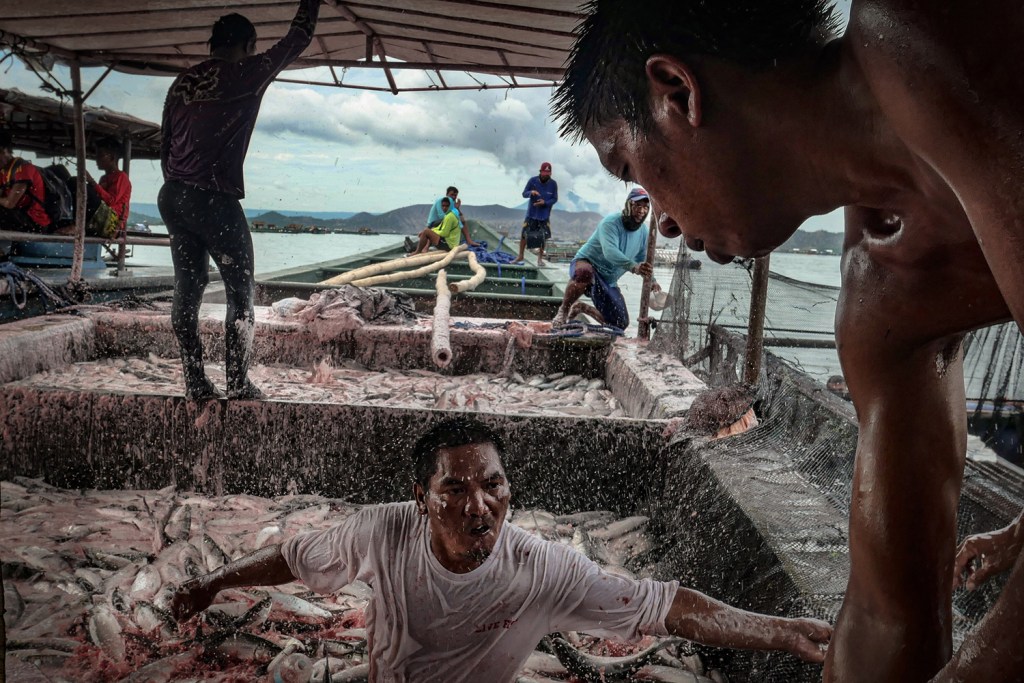
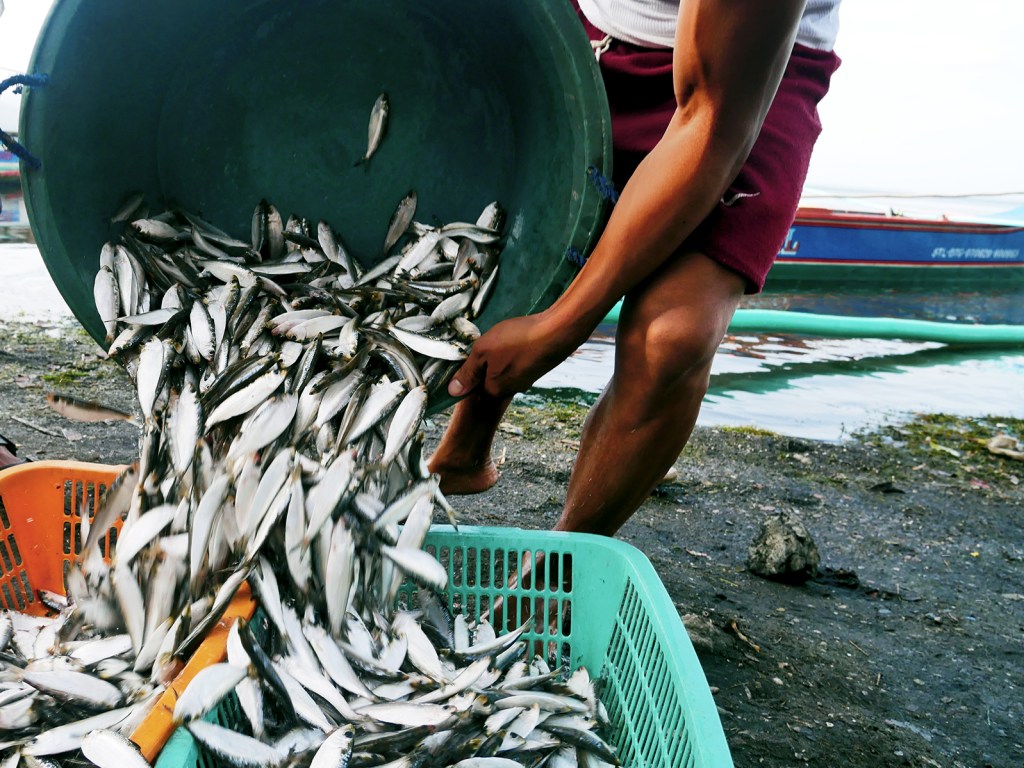
Children of Sala, gather round the nose a newly arrived banca for a share of surplus catch in the afternoon of October 29, 2021, lake beach of Balete, Batangas.Binabakayan ng mga binatilyo ang mga parating pang huli at baka makabahagi pang hapunan. Kasamang larawan mula sa litratong sanasay na “Winakasan na nila at ginawang Kalsada” Kuha Oktubre 2021, Balete, Batangas.An agri-fishery worker dives into the icy cold pool of newly harvested “Bangus” to segregate sizes, Taal Lake, Batangas, Philippines, 23 June 2021. During this time, Taal Volcano, spewed a heavy amount of gas enveloping nearby towns in smoke and smog, with some reaching as far as Manila. With this kind of situation, the Harvesters lived on the boat and continued working despite the threat of the volcano and covid.A fisherman pours new catch of fresh Tawilis to weigh baskets of first wholesale buyers., here in Balete, Batangas, June 2022. Fresh Tawilis bought direct from fishermen at the shore is priced around 50-70 pesos per kilo and sold by vendors at a market price of 90-110 pesos
As a community, they practice gillnet fishing together. Fisherfolk in Sala, Balete, Batangas, need to act as a community for gillnet fishing to effectively manage their shared resources, protect against illegal fishing, ensure fair distribution of catch, and facilitate collective bargaining for their livelihood. Community involvement in resource management also fosters a sense of co-ownership and responsibility, which is crucial for the long-term sustainability of their fishing grounds and the economic well-being of their families. Even if the prized fish is almost within arm’s reach, they adhere to the tawilis catching season. In strict compliance with TVPL-PAMB Resolution Nos. 49 (s. 2018) and 63 (s. 2019), they honor the closed fishing season from March 1 to April 30 to protect the fish during its peak spawning period, resuming their regulated harvest from May 1 to February 28/29 using prescribed mesh-sized nets. During the annual two-month ban, Taal Lake still provides them with livelihood through tilapia, ayungin, biya, and other fish. As they say, the lake never fails them.
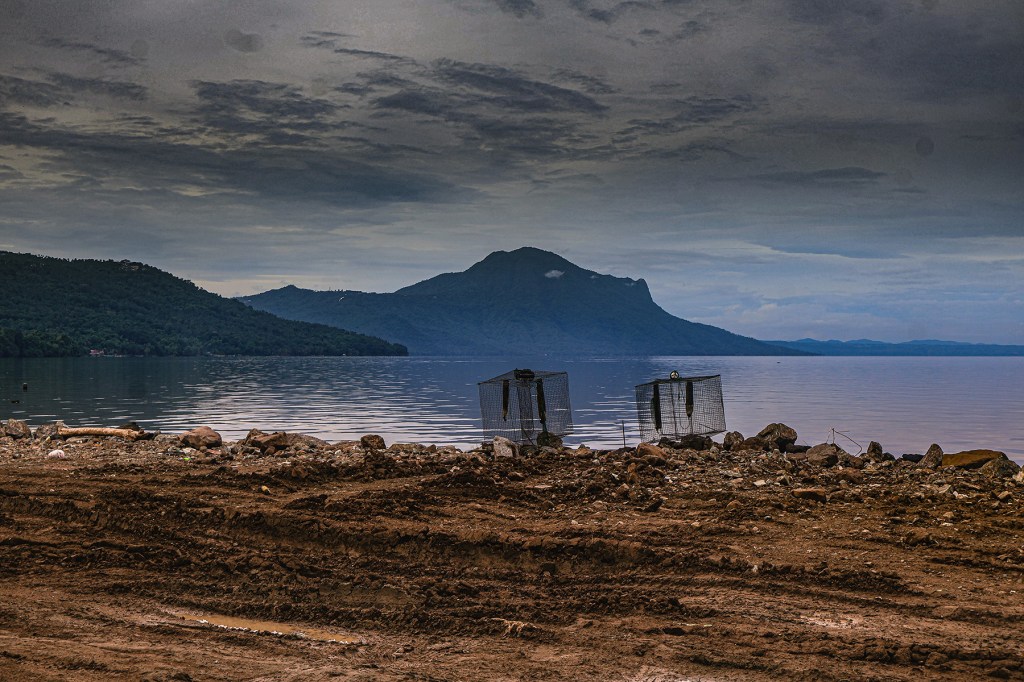
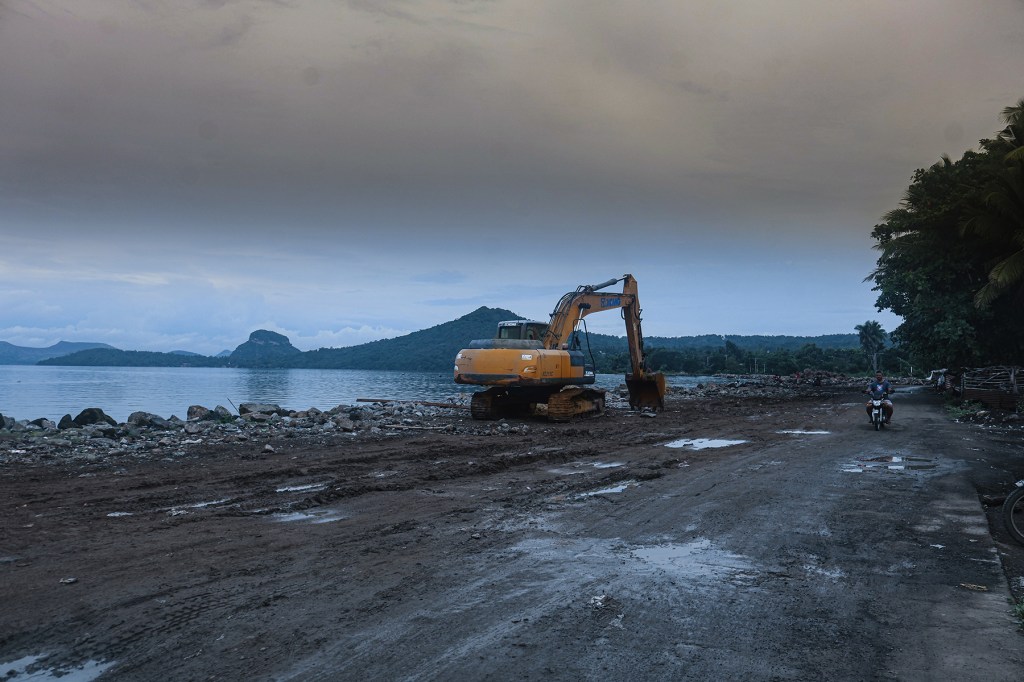
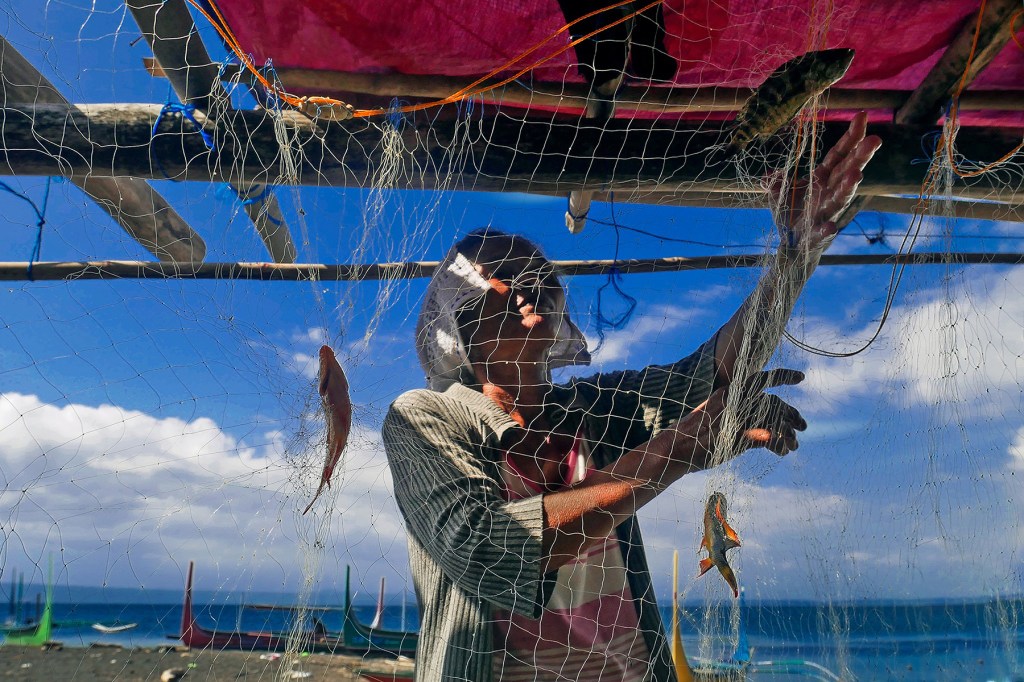
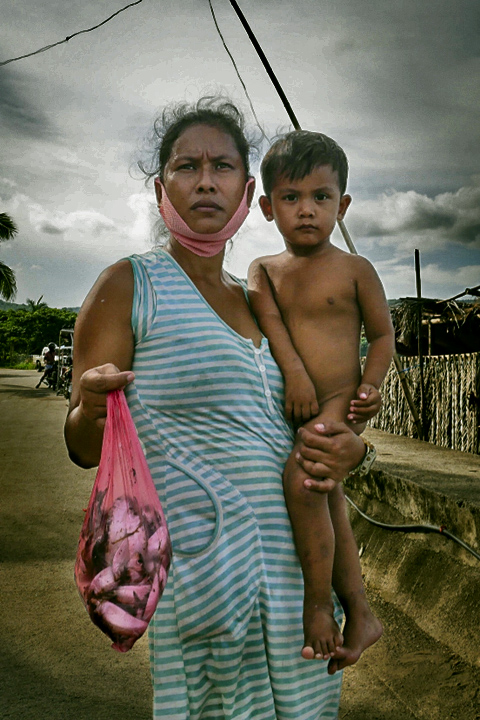
The Pukot net owner, fetches a new batch of fresh Tilapia for sale, from his lakeshore fish cage, in the early evening of January 15, 2022, Balete, Batangas.Two steel fish cages, sometimes called “bubu” rest and is left on the edge of the new shoreline made of boulders and dump soil this September 6, 2025. The lakeshore which used to be unique black sands of the Taal caldera is now covered as preparation for the ongoing construction of a circumferential road and baywalk.Men and women fisherfolks folds the net they had used in the communal fishing called “pukot” in Balete, Batangas, 29 Sep 2020Fishefolks of Barangay Sala in Balete, Batangas folds to keep the large fish net they use for trawling Tawilis in the afternoon of 17 Nov 2020. This signals the end of the shore Tawiilis trawling season, meaning most Tawilis catch would be coming from fish farm nets in Taal Lake.A monstrous backhoe is now parked on the shoreline area where the children frolics the village folk of Sala all-together pulls the large net of pukot as a community, photo taken September 6, 2025, Balete, Batangas. The whole shoreline fronting the barangay village of Sal is now covered with big boulders and dump soil in prearation for the Taal circumferential road.Fisherfolk Rosanna, Manalo 54 years old meticulously takes out the fresh small Red and Nile tilapia caught using a gillnet or “panti” in Tagalog, along the shores of Sitio Calauit, Taal Island Batangas, early morning of 4 March 2023. She would then butterfly-open those fishes, dry them and sell them for 250 pesos per kilo. In a candid interview, Rosanna who used to live here in Sitio Calauit said she got her new nets from a stimulus fund worth 25,000 pesos, to replace the nets that were buried during Taals 2020 eruption. Recalling the scene, she said they hurriedly left the island during the disaster and were unable to bring and save most of their possessions, when they came back, their house is buried more than a meter deep and it was impossible to retrieve in whole most of the things that belong to her and family.A mother carrying a child stands by the roadside, carrying a small plastic bag filled with fresh fish received from the community harvest. capturing the raw reliance of lakeshore families on the daily, communal distribution of the catch—a vital lifeline for household nutrition that faces erasure as traditional shore fishing grounds are replaced by developments. Balete, Batangas, November 17, 2020.
Yet, this harmonious, self-regulated balance has run headfirst into a destructive friction. The DPWH has been constructing the Taal Lake Circumferential Road project, driven by an institutional vision of modernization and tourism development designed to encircle the coastline. Here lies the central tension of the narrative: a top-down pursuit of economic progress that prioritizes highways and scenic baywalks, while remaining completely blind to the very people, traditions, and wildlife that define the lake. In this version of modernization, the immediate ecosystem is treated as a blank canvas rather than a living sanctuary. When heavy earth-moving operations aggressively pushed into the lakeside zones without the required clearances, the DENR-EMB issued a temporary Cease and Desist Order to halt the immediate degradation. Though an Environmental Compliance Certificate (ECC) was later secured under strict mitigation mandates, it exposed a deep disregard for local realities, drawing fierce resistance from the scientific community. The Philippine Society for Freshwater Science formally urged the withdrawal of the clearance, warning that burying the littoral zone in soil and concrete would inflict irreversible trauma on the fragile habitat of the endangered, endemic Sardinella tawilis.
Today, this conflict plays out in real-time upon the shore. While regulatory bodies attempt to mandate technical realignments to avert total ecological collapse, the physical conquest of the landscape continues. The unique black sands are choked out by dumped soil and giant boulders, systematically displacing the communal pukot. By capturing the concrete replacing the culture, this photo essay documents a tragic irony: in the rush to pave a path for tourists to admire Taal Lake, the state is destroying the very heritage, human community, and biodiversity that make the lake worth visiting.
“Winakasan na nila Ang Pukot” won the Honorable Mention Award in the Photo Essay Category of the Supreme Court of the Philippines 125th Anniversary Photography Contest, 15 June 2026.



Leave a Reply